What Happens If You Delay Installing PPF on a New Car?
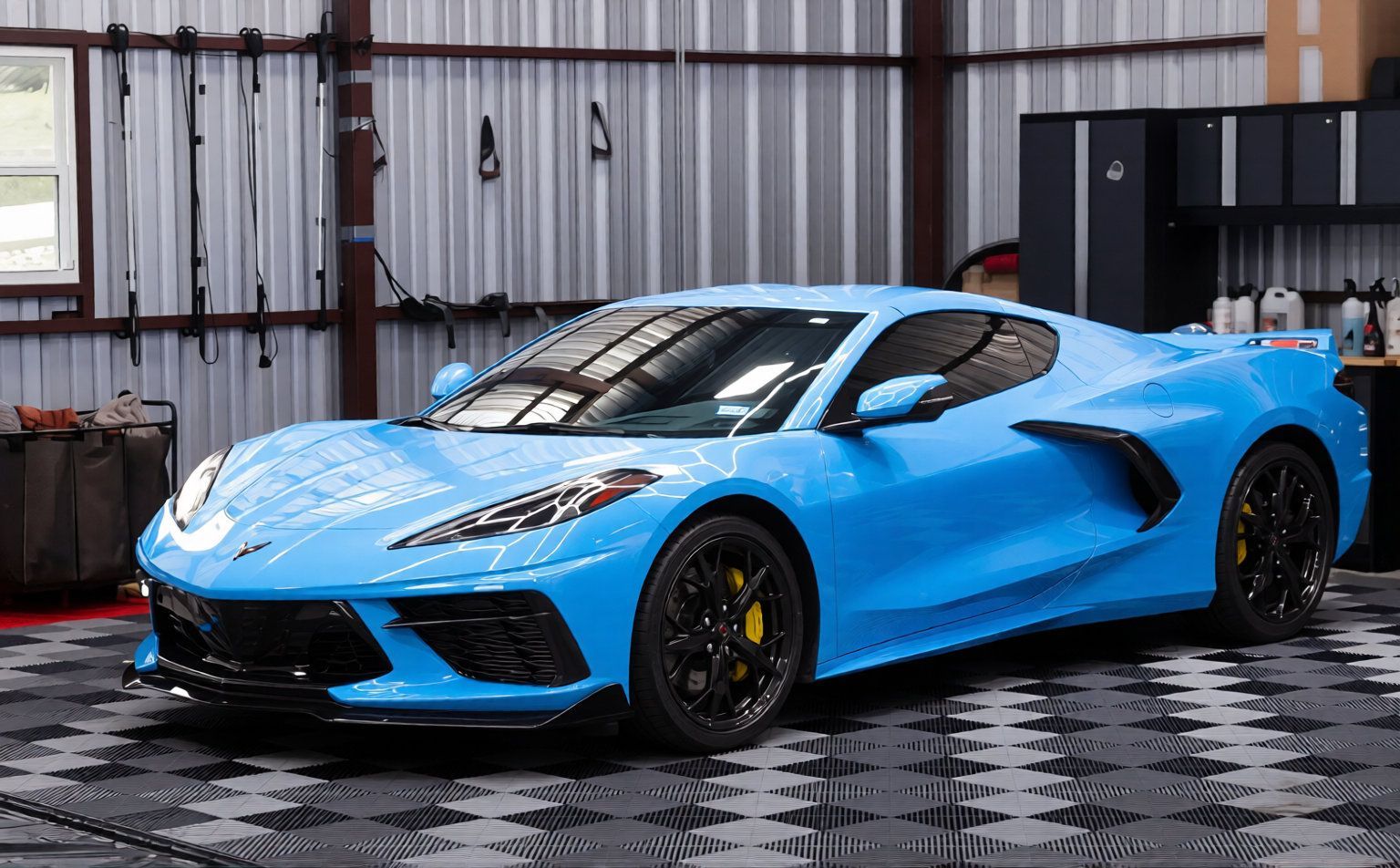
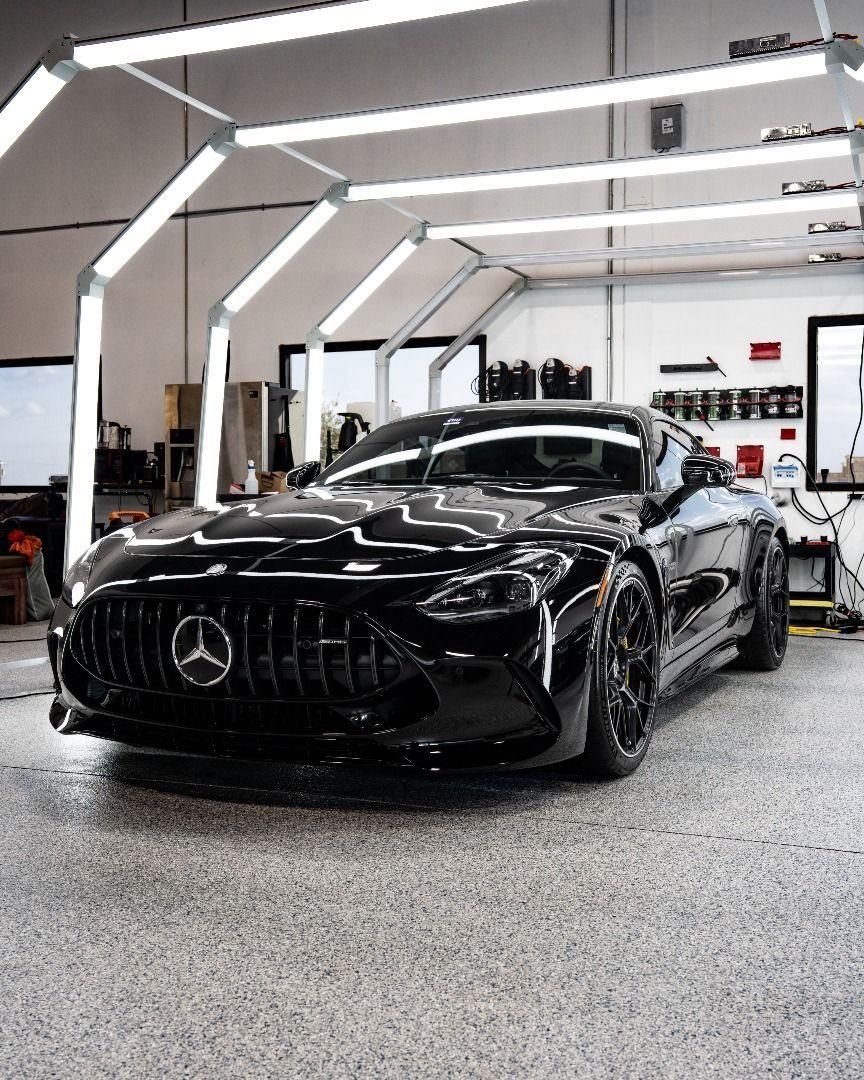
Bringing home a new car is one of those moments that feels almost too good to interrupt with errands and appointments. The paint looks flawless, the finish reflects light like glass, and every panel feels untouched by the outside world. But that pristine condition has an expiration date that starts the moment the car leaves the dealership lot. For drivers considering PPF for new car protection, understanding what happens when installation is delayed can make the difference between preserving that factory finish and watching it slowly wear down over months of everyday driving around Fort Worth.
Why Timing Matters When Protecting a New Car's Paint
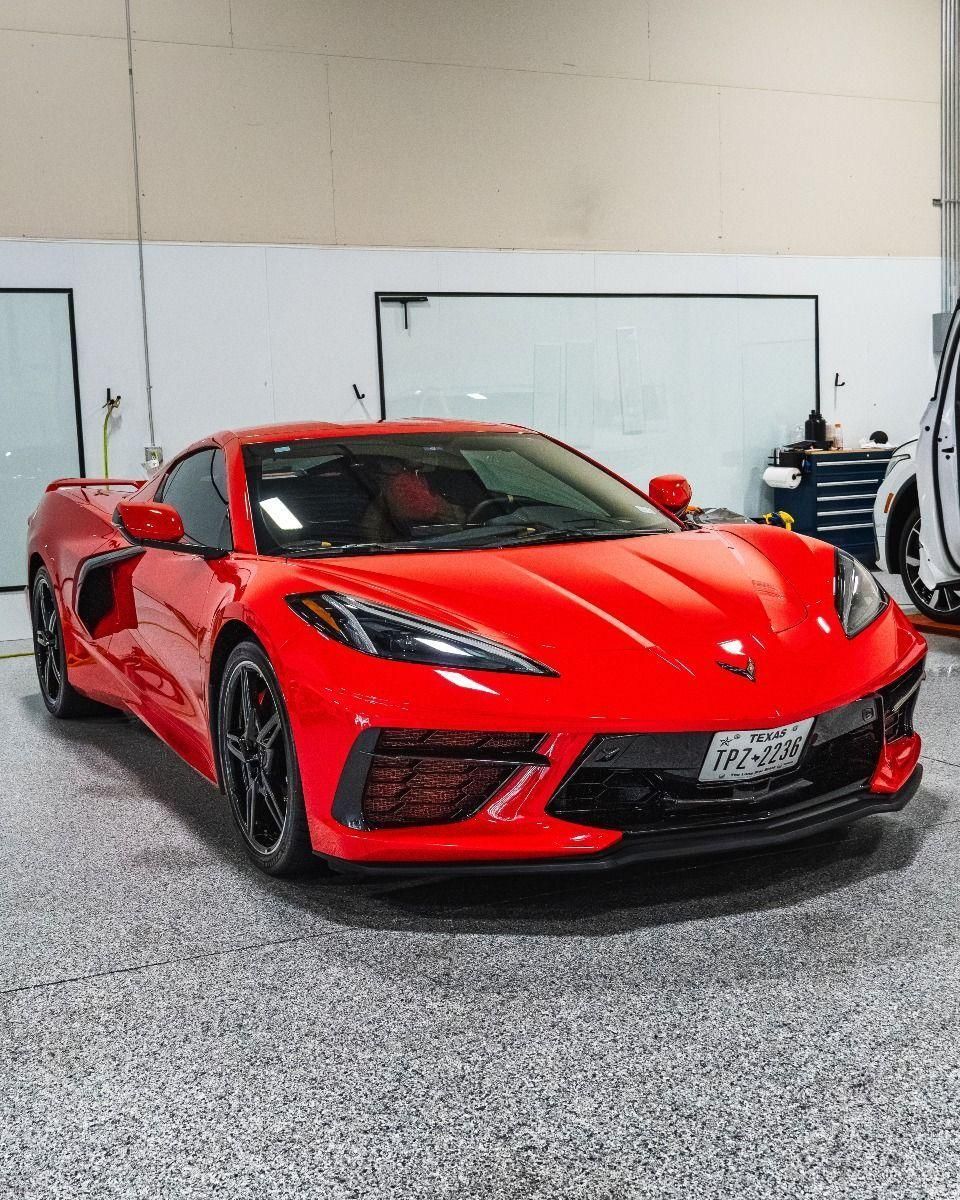
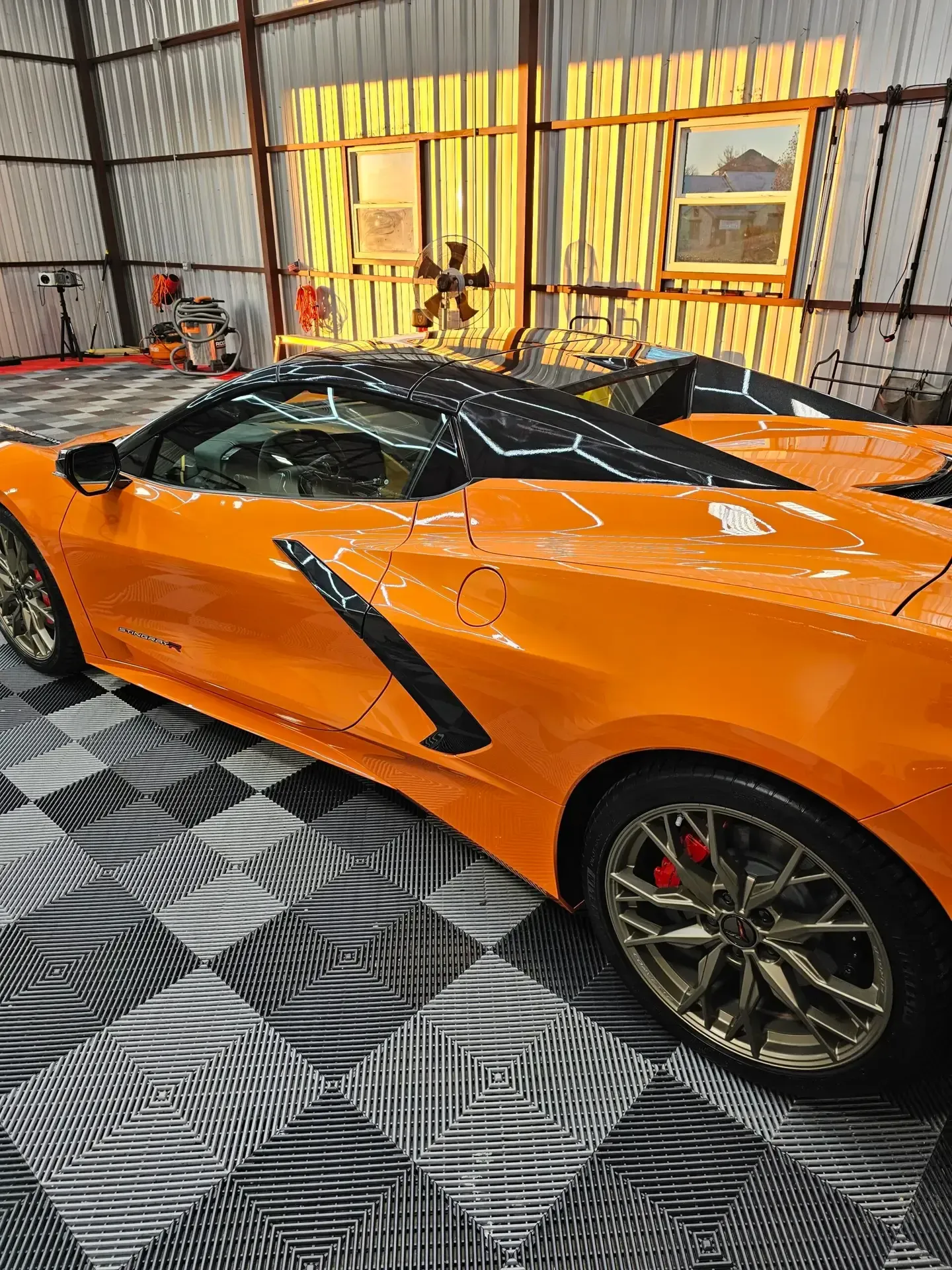
Factory paint is at its best condition on day one, before it has been exposed to sun, debris, or daily wear. Every trip down the highway, every parking lot, and every changing season chips away at that original finish a little more, even when the damage is not immediately visible to the eye.
Fort Worth Auto Detail recommends considering paint protection film as a preventive layer, allowing it to deliver the most value before damage has a chance to occur rather than after the paint has already been compromised. Waiting even a few weeks can mean the difference between a car that stays showroom-fresh for years and one that starts showing wear before its first oil change.
What Happens to Your Paint When PPF Installation Is Delayed
Delaying paint protection film does not mean nothing happens to the vehicle; it simply means the paint is left to absorb whatever the road throws at it without a barrier in place. Over time, this unprotected exposure adds up in ways that are difficult to reverse, turning small everyday risks into lasting cosmetic damage. The sections below break down exactly what new car owners are up against when they postpone installing PPF.
Stone Chips and Road Debris Damage
Texas highways and busy Fort Worth roadways send a constant stream of loose gravel, small rocks, and road debris toward the front end of every vehicle traveling at speed. Without a protective film in place, these particles strike the hood, bumper, and mirrors directly, chipping away at the clear coat and exposing the paint layer underneath. A single commute may not cause noticeable harm, but repeated exposure over weeks and months leaves a pattern of small chips that are nearly impossible to fully correct through polishing alone. Once the base paint is exposed, moisture and air can begin to affect it, setting the stage for rust to develop in those tiny compromised areas.
Bug Stains and Environmental Contaminants
Bug residue is more than just an appearance issue; it is mildly acidic and can begin etching into unprotected clear coat if left to sit under the Texas sun for even a short period. Environmental contaminants such as tree sap, industrial fallout, and airborne pollutants behave in a similar way, bonding to the paint surface and becoming harder to remove the longer they remain. Drivers who delay PPF installation often find themselves washing and detailing their new car far more frequently just to keep these substances from causing permanent etching. A protective film creates a barrier that allows these contaminants to be wiped away safely before they have the chance to damage the paint underneath.
Bird Droppings and Sun Exposure
Bird droppings combine acidity with the intense heat of a Fort Worth summer to create one of the fastest ways unprotected paint can suffer permanent staining or etching. When droppings sit on a hot hood or trunk for even an hour, the heat accelerates the chemical reaction, often leaving a mark that no amount of washing can fully remove. Prolonged sun exposure on its own also contributes to paint fading and clear coat breakdown over time, particularly on vehicles that spend a lot of time parked outdoors. A quality paint protection film shields these high-exposure areas from both the sun's UV rays and the corrosive effects of organic contaminants.
The Hidden Cost of Waiting — Damage You Can't See Yet
Not all paint damage announces itself right away, and this is exactly what makes delaying PPF installation so risky for new car owners. Micro-scratches from automatic car washes, fine swirl marks from improper drying techniques, and light surface abrasions from everyday contact all accumulate quietly beneath the surface shine. By the time these imperfections become visible under direct sunlight, the paint has often already sustained damage that requires professional correction to fix. Installing paint protection film early prevents this slow, invisible buildup from ever taking hold in the first place.
High-Impact Areas That Need Protection Before Damage Appears
Certain sections of a vehicle absorb far more daily wear than others, which is why targeted protection matters just as much as timing does. Identifying these high-impact zones early allows new car owners to prioritize the areas most likely to show damage first, preserving the overall appearance of the vehicle for much longer.
Front Bumper and Hood
The front bumper and hood take the brunt of highway travel, absorbing the majority of rock chips, insect impact, and road spray generated by vehicles ahead. These panels are typically the first to show visible wear on an unprotected new car, often within the first few months of regular driving. Because of their constant exposure, they are considered the highest priority area for early paint protection film installation.
Side Mirrors and Door Edges
Side mirrors and door edges face a different kind of daily risk, largely stemming from tight parking spaces, garage entries, and contact with nearby vehicles or objects. These areas tend to develop small chips and scuffs from repeated minor contact rather than high-speed debris, but the cumulative effect is just as noticeable over time. Protecting these edges early helps maintain a clean, uninterrupted line across the vehicle's body panels.
Rocker Panels and Lower Doors
Rocker panels and lower doors sit closest to the road surface, making them especially vulnerable to water spray, mud, salt residue, and kicked-up debris from the tires. These lower sections often show premature wear and staining on vehicles that have not been protected, even when the rest of the car still looks relatively new. Applying film to these areas early keeps them looking consistent with the rest of the vehicle's finish.
Why Fort Worth Drivers Face Faster Paint Wear
Local driving conditions play a bigger role in paint deterioration than many new car owners realize, and Fort Worth presents a particularly demanding environment for factory finishes. Intense summer heat, frequent sun exposure, and heavy travel along routes like I-30 and I-35W all combine to accelerate wear on unprotected paint. Ongoing road construction throughout the metro area adds another layer of risk, kicking up dust, loose gravel, and debris that make daily commutes harder on a vehicle's exterior. These regional factors make early paint protection film installation especially valuable for drivers who call Fort Worth home.
The Advantages of Installing PPF Soon After Purchase
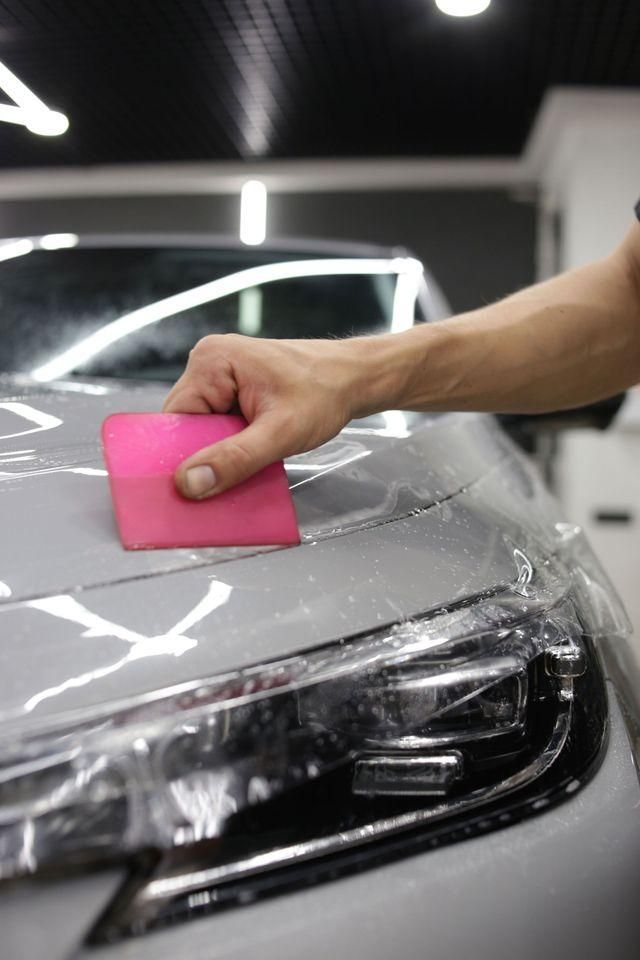
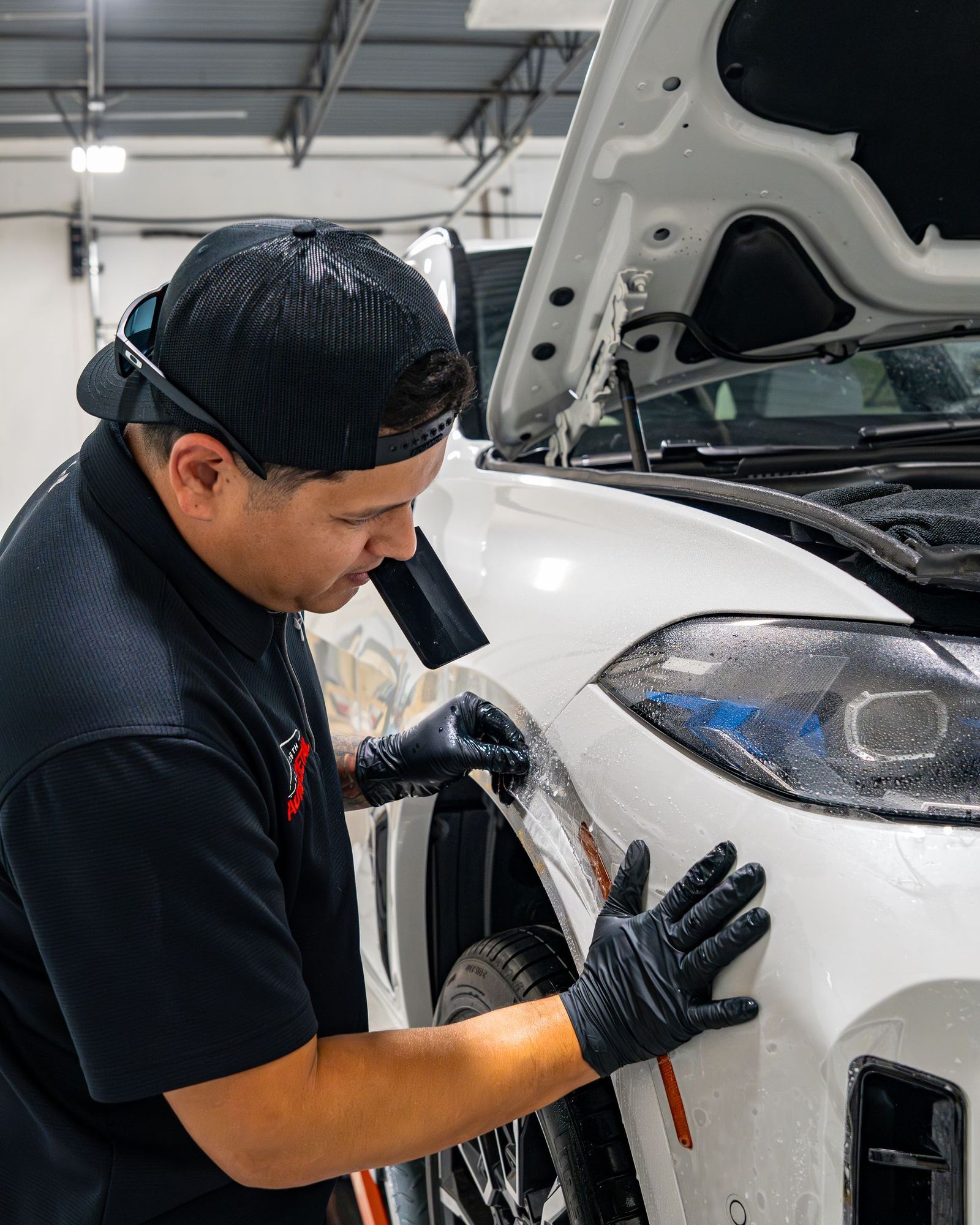
Installing paint protection film shortly after buying a new car allows the film to do its job before any damage has occurred, rather than trying to mask problems that already exist. This proactive approach helps preserve the paint's original gloss, reduces the frequency of detailing needed to keep the car looking clean, and minimizes the risk of costly paint correction work down the road. Early installation also means the entire vehicle can be protected as a whole, rather than patching individual areas after damage has already appeared. For new car owners, this timing advantage translates directly into long-term savings and a finish that stays closer to factory condition for years.
How Early PPF Installation Helps Protect Resale Value
A vehicle's paint condition plays a significant role in how it is perceived by future buyers, and factory-original paint free of chips, stains, or correction marks tends to command more confidence at resale or trade-in time. Cars that have been protected with film from an early stage often present with a cleaner, more consistent finish than comparable vehicles that went unprotected. This difference is frequently noticeable during inspections and appraisals, where paint condition directly influences perceived value. Investing in early protection is as much about preserving future resale potential as it is about maintaining current appearance.
Choosing the Right PPF Installer in Fort Worth
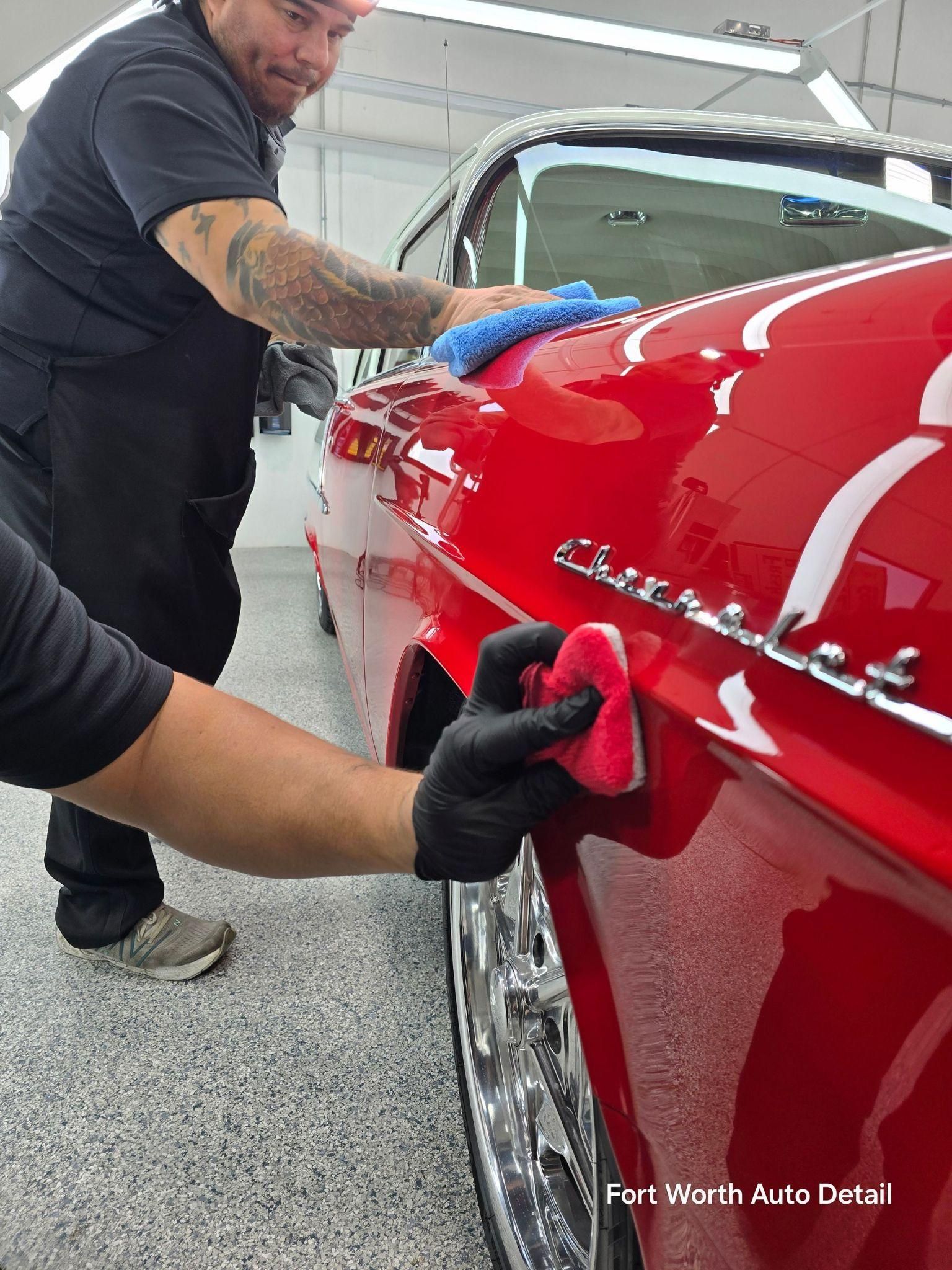
Selecting an experienced installer matters just as much as the decision to protect a vehicle in the first place, since improper installation can lead to bubbling, lifting, or uneven coverage. Fort Worth Auto Detail brings hands-on experience working with new vehicles throughout the local area, using quality film designed to handle Texas heat and road conditions without compromising on clarity or durability. Drivers interested in learning more about available coverage options and installation details can visit the paint protection film page at https://www.fortworthautodetail.com/paint-protection-film to see how the process works from start to finish. Working with a local, experienced team also makes it easier to schedule protection soon after purchase, closing the window of vulnerability as quickly as possible.
Protect Your Investment From Day One
Delaying paint protection film installation leaves a new car's factory finish exposed to stone chips, bug stains, bird droppings, and everyday road debris during the exact window when it is most vulnerable. Choosing to install PPF for new car protection soon after purchase helps safeguard high-impact areas before visible damage has a chance to set in, preserving that original clean finish for years to come. Fort Worth drivers, in particular, benefit from acting early, given the region's heat, sun exposure, and heavy highway travel.
Reaching out to Fort Worth Auto Detail shortly after buying a new vehicle is one of the simplest ways to protect that investment from day one.