The moment a vehicle rolls out of the bay with a fresh coating, it looks glossy, deep, and completely finished, yet the most important work is still happening on the surface where you cannot see it. The ceramic coating curing process is the stage that decides how long the protection lasts, how smooth the finish stays, and how well water beads off the paint. For drivers in Aledo, TX, where summer heat, steady wind, roadside dust, and sudden storms are part of daily life, understanding this stage is especially important. This guide from Fort Worth Auto Detail explains how curing works and how to protect your investment.
What Happens Right After Ceramic Coating Is Applied
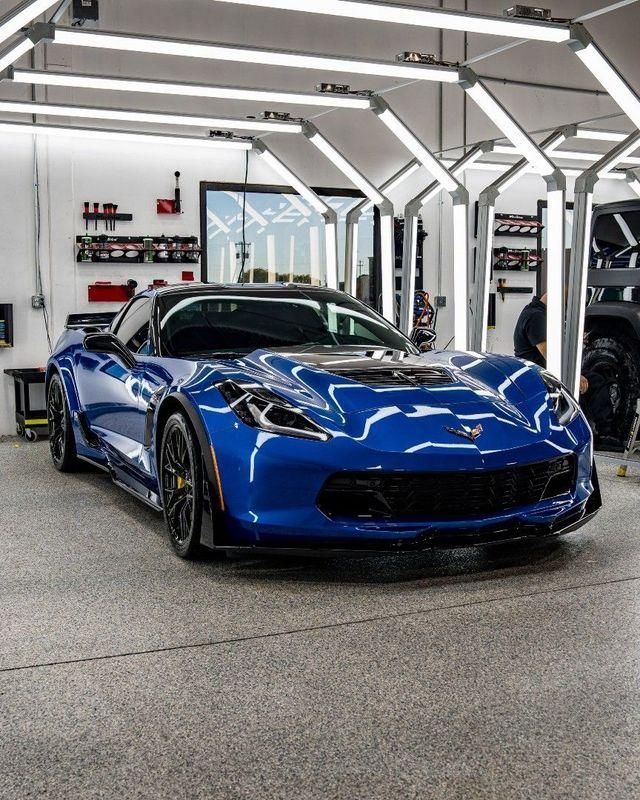
Once the coating has been applied and leveled, it immediately begins reacting with the paint and with the moisture and oxygen in the surrounding air. During the ceramic coating curing process, the liquid layer slowly hardens into a thin, durable film that bonds across every panel of the vehicle. In the first few hours, the surface may look and feel dry, but it remains soft and highly sensitive to water, dust, and touch. That is why our team keeps freshly coated vehicles in a controlled space at Fort Worth Auto Detail before they head back onto Texas roads.
How the Coating Bonds With the Vehicle’s Surface
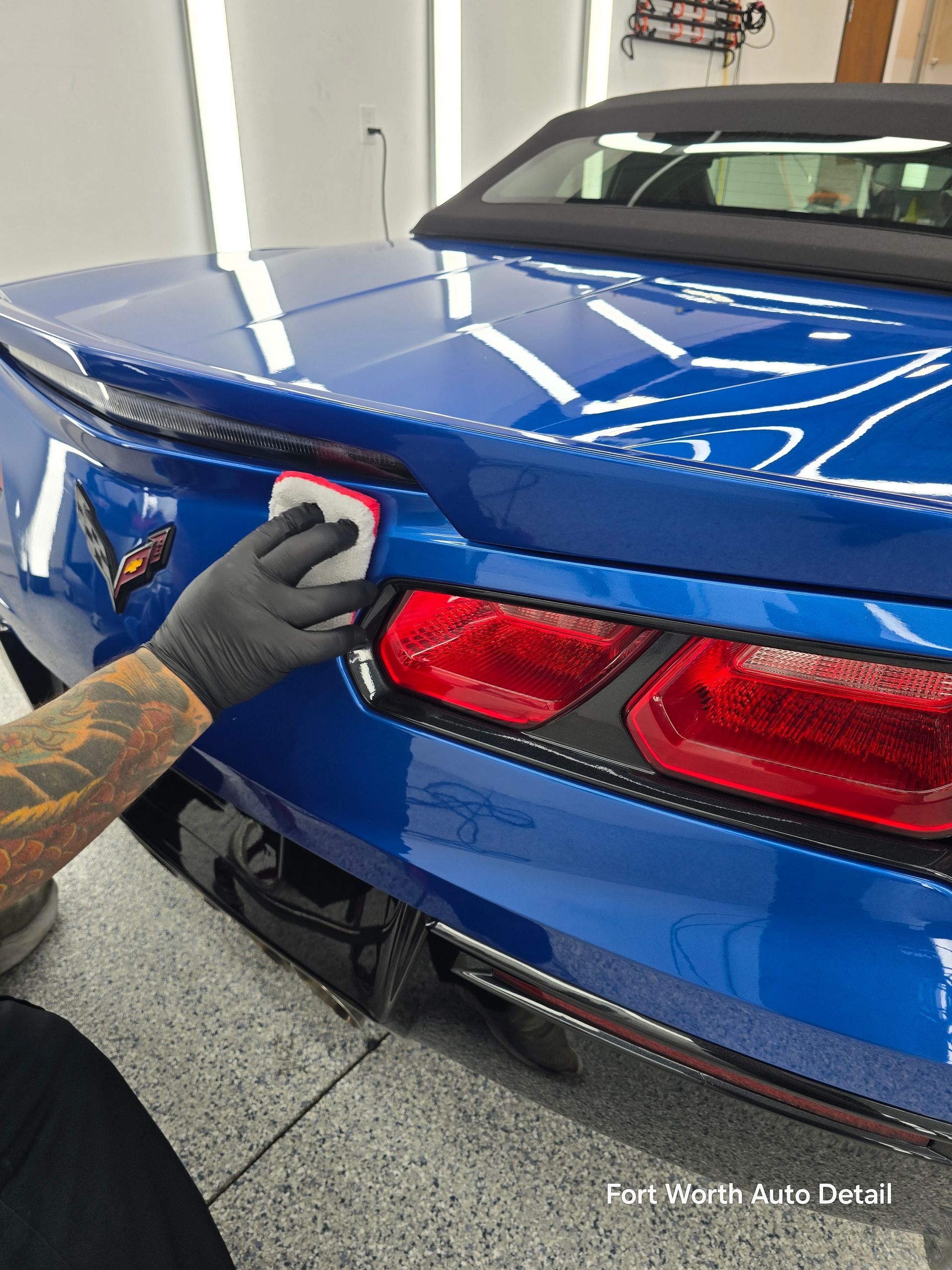
A strong bond starts long before the coating is applied, because the paint must be clean, smooth, and free of anything that could come between the coating and the clear coat. Paint correction, thorough decontamination, and a final panel wipe remove oils, residue, and embedded particles so the coating can grip the surface the way it was designed to. When the coating bonds properly, it becomes a semi-permanent layer instead of a film that simply rests on top of the paint. A poorly prepped surface often leads to weak adhesion, patchy gloss, and uneven protection.
Initial Curing vs. Full Curing
Many owners assume the work is over once the coating feels dry to the touch, but curing actually unfolds in two distinct phases. Knowing what separates the first stage from the final one helps you understand why certain restrictions apply and how long they last. The sections below walk through each phase and explain why the difference matters for your vehicle’s long-term protection.
The Initial Curing Stage
The initial curing stage typically covers the first twenty-four to forty-eight hours after application, and during this window the coating becomes touch-dry while staying soft underneath. The surface is still easy to mark, so the vehicle should stay out of the rain, away from moisture, and free from any contact such as wiping, washing, or leaning on the paint. Keeping the car in a clean, covered area gives the coating the stable conditions it needs to set evenly. Following the instructions you receive at pickup during this period makes a real difference in the final result.
The Full Curing Stage
Full curing generally takes about two to four weeks, although the exact timeline varies depending on the product used and the weather. During this phase, the coating continues to harden, eventually reaching its full strength and its resistance to chemicals, UV exposure, and everyday contaminants. Even though the vehicle can return to normal daily driving, it still deserves gentle treatment until the cure is complete. Avoiding harsh cleaners, aggressive washing, and heavy exposure to the elements allows the film to finish forming into the tough, long-lasting layer you paid for.
Why the Difference Matters
Treating a dry-feeling coating as fully protective is one of the most common reasons owners see disappointing results later. Early exposure to rain, sprinklers, or washing can cause water spotting, streaking, and a coating that wears down faster than it should. Understanding that touch-dry does not mean fully cured helps you stay patient through the entire window. That patience is what ultimately delivers the gloss, slickness, and durability the coating was designed to provide for years.
How Temperature and Humidity Affect the Curing Process
The conditions surrounding a vehicle while the coating sets have a direct effect on how smoothly it cures. Temperature, humidity, and airborne debris can each speed up, slow down, or disrupt the process in different ways. For vehicle owners in Aledo, TX, where weather can swing quickly from hot and dry to damp and windy, these factors deserve careful attention. The following sections break down how each one influences the final outcome.
Temperature
Warm conditions generally speed up the cure, while cooler air slows it down and stretches the timeline. The intense Texas heat around Aledo can create its own problem, because extreme temperatures may cause the coating to set too quickly and make leveling difficult if the vehicle is exposed to direct sun right away. Keeping the vehicle in a temperature-controlled space during the early hours helps the coating cure at a steady pace. This controlled approach protects the finish from flash-curing issues and supports an even, smooth result across every panel.
Humidity
High humidity can slow the curing process and may affect how the coating levels on the paint, while very low humidity can cause it to set faster than expected. Either extreme can interfere with the clean, even finish that owners expect from a professional application. A controlled shop environment allows the coating to cure in stable conditions rather than reacting to sudden shifts in moisture levels outdoors. That consistency is one of the biggest advantages of having the work performed by a professional detailing team instead of attempting it in a driveway.
Wind, Dust, and Airborne Contaminants
Dust, pollen, and light debris carried by the wind can easily settle on a coating that has not yet hardened, and once they are trapped in the surface, they are difficult to remove without affecting the finish. This is a real concern in open areas around Aledo, where dry breezes often move fine particles across driveways and roads. Allowing the vehicle to rest indoors for the recommended time before returning outside gives the outer layer a chance to firm up and resist these airborne contaminants.
Why Water, Washing, and Contaminants Must Be Avoided During Curing
Water and contaminants are the two biggest threats to a coating that has not finished curing. Rain, sprinkler overspray, and early washing can interrupt the bond and leave stubborn water spots that stay visible in the finish. Bird droppings, bug splatter, tree sap, and road debris are even more harmful on a soft surface, since they can etch into the coating and create an uneven look. During the curing window, park the vehicle in a garage or covered area, well away from sprinklers and overhanging trees, so the coating can set undisturbed.
Aftercare Instructions to Follow During the Curing Period
Proper aftercare is simple, but it requires discipline during the first few weeks. Do not wash the vehicle for the period recommended by your installer, which is commonly around seven days, and stay away from waxes, polishes, sealants, and chemical cleaners that can interfere with the cure. Automatic car washes and pressure washers should also be avoided, since harsh brushes and high-pressure water can damage a coating that is still hardening. Choosing a professional
ceramic coating service
from Fort Worth Auto Detail helps ensure proper application and provides you with clear aftercare instructions to protect your vehicle’s finish. If an emergency arises, use only gentle spot removal, and always follow the written aftercare instructions provided with your service.
How Proper Curing Supports Durability, Gloss, and Hydrophobic Performance
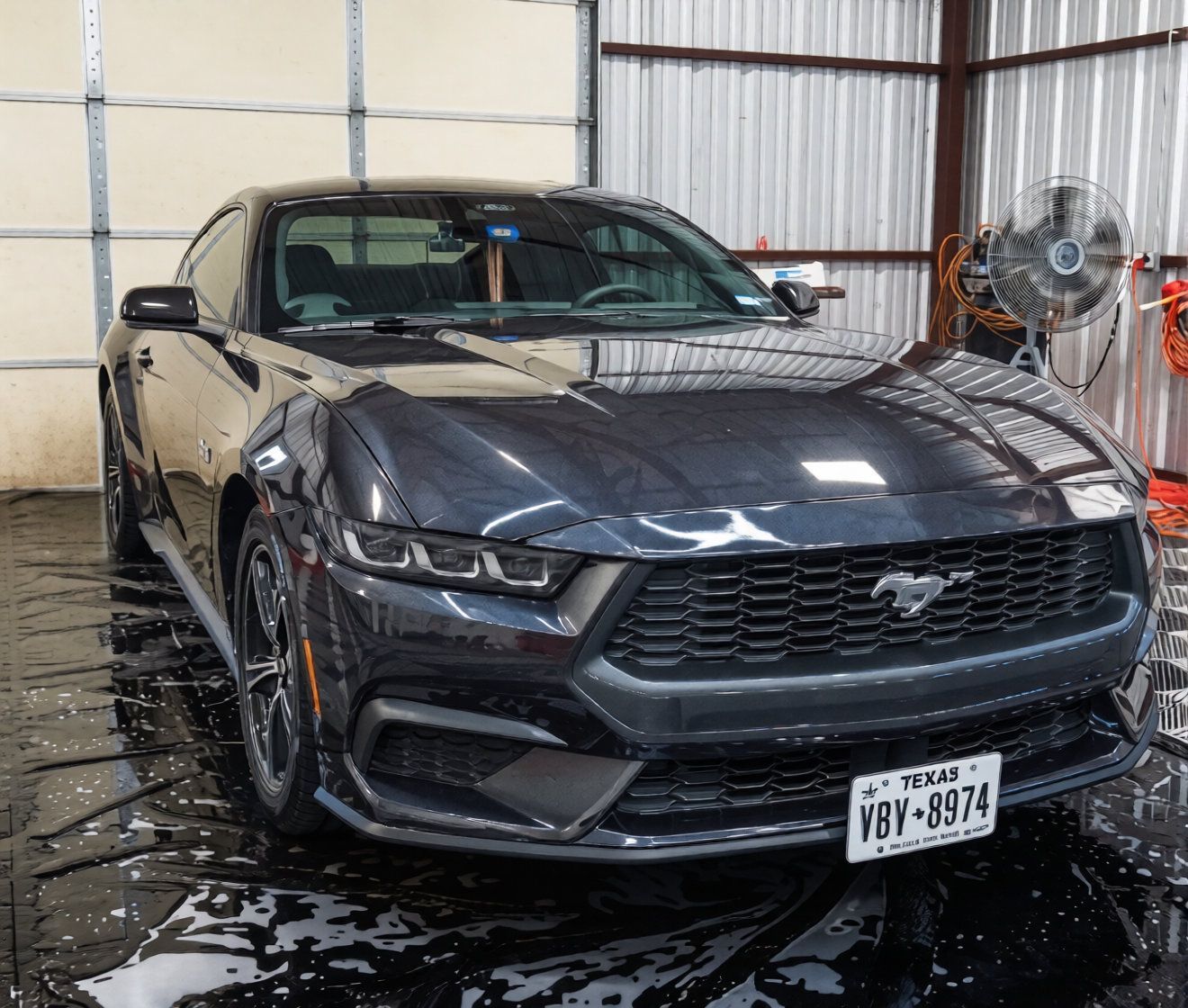
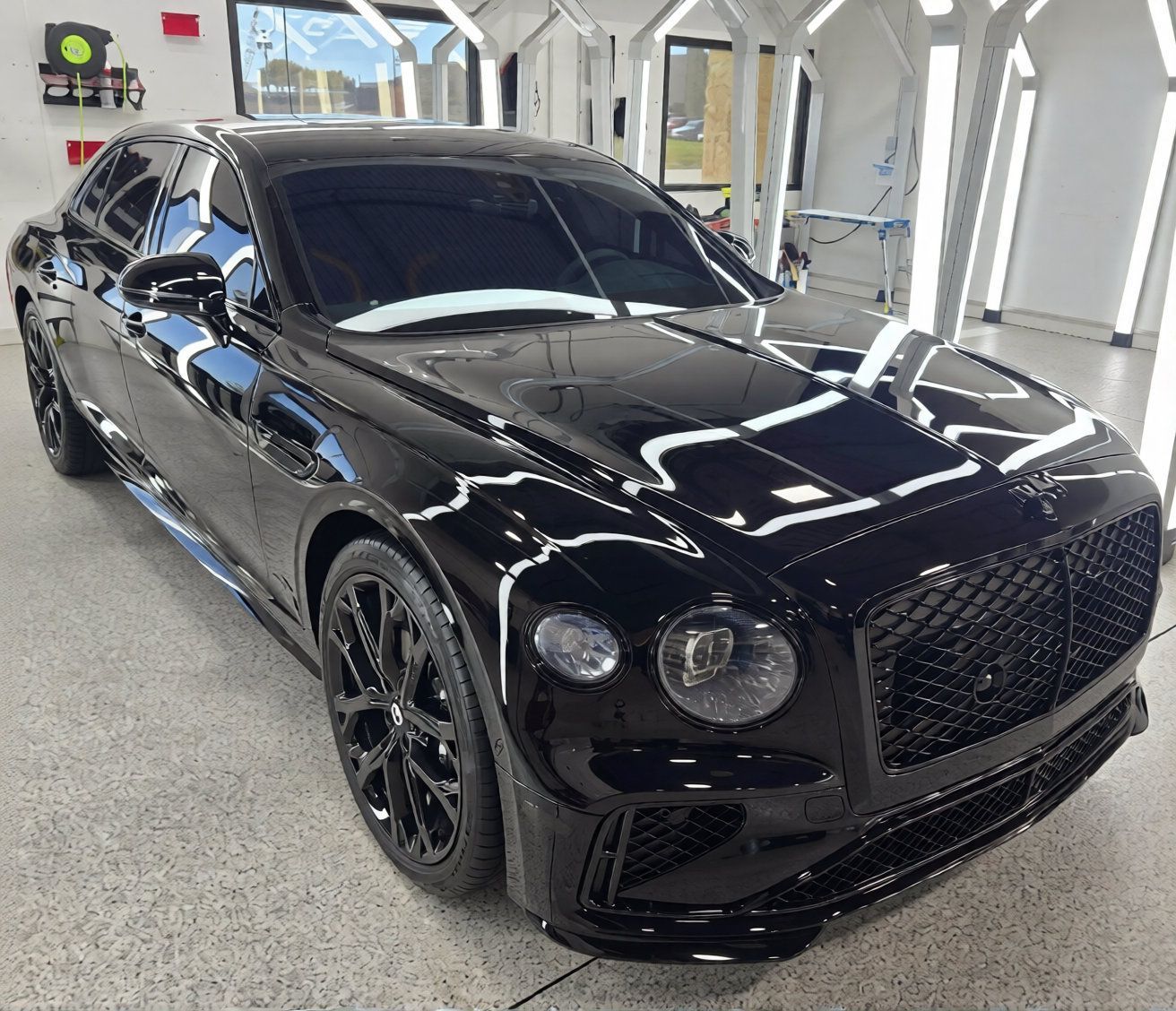
When the coating cures correctly, every benefit of the service shows up at full strength. Durability improves because the hardened layer resists light scratches, UV rays, and chemical exposure far better than an unfinished film. Gloss looks deeper and more even, since the coating has settled smoothly across the paint without disruption. The hydrophobic effect also performs at its best, causing water to bead tightly and sheet away so dirt rinses off easily. Together, these results improve overall effectiveness and help the coating last as long as it was designed to.
Professional Ceramic Coating Application in Aledo, TX
Professional application and controlled curing conditions give the coating the best chance to perform the way it should. At Fort Worth Auto Detail, our team prepares the paint carefully, applies the coating with precision, and provides clear aftercare guidance so you know exactly what to do once you drive away. If you are considering this service, you can learn more on our Ceramic Coating Services page. Fort Worth Auto Detail proudly serves Aledo, TX, and nearby communities, and we are glad to help local drivers protect their vehicles with confidence.
Give Your Ceramic Coating Time to Reach Its Full Potential
The ceramic coating curing process is just as important as the application itself, because it determines how well the coating bonds, shines, and protects over time. Patience and consistent aftercare during the first few weeks allow the coating to reach full strength and deliver the durability and water-beading performance you expect. If you live in Aledo, TX, and want a coating that is done right from preparation through curing,
contact us today to request a quote or schedule a consultation.