How Does Paint Protection Film React to Extreme Heat?
Vehicle owners across North Texas know that summer temperatures can climb well past triple digits, and that kind of heat does not stay confined to the air around a car. It settles into the hood, the mirrors, and every painted surface that spends hours parked under direct sun. For drivers in Aledo, TX, and the surrounding communities, this prolonged thermal exposure is simply part of daily life, which is exactly why paint protection film in extreme heat becomes such an important topic. Many owners invest in PPF expecting it to shield their paint from rock chips and road debris, but fewer consider how the film itself behaves once temperatures spike for weeks at a time. At Fort Worth Auto Detail, this is a question we hear often from customers who want their protection to last through every Texas season, not just look good on installation day.
How Extreme Heat Affects Paint Protection Film Performance
Heat does not simply sit on top of paint protection film; it interacts with the material at a physical level, influencing how the film flexes, bonds, and holds its shape over time. Quality film is engineered to tolerate a wide temperature range, but understanding what happens beneath the surface helps owners appreciate why film condition can shift the longer a vehicle sits in direct Texas sun.
Film Expansion and Flexibility in High Temperatures
Paint protection film is made from a flexible polyurethane material designed to expand slightly as temperatures rise and contract again as the vehicle cools. This flexibility is actually a benefit under normal conditions, since it allows the film to move with the panel beneath it rather than cracking or splitting under stress. However, when a vehicle is repeatedly exposed to extreme heat over long summer stretches, that expansion and contraction cycle happens more frequently and with greater intensity. Over time, this repeated movement can place additional strain on the edges and seams of the film, which is why film quality and installation precision play such a significant role in how well it holds up. A well-fitted, high-grade film is built to handle this cycle far better than a lower-quality product installed without proper technique.
Adhesive Bond Behavior Under Heat
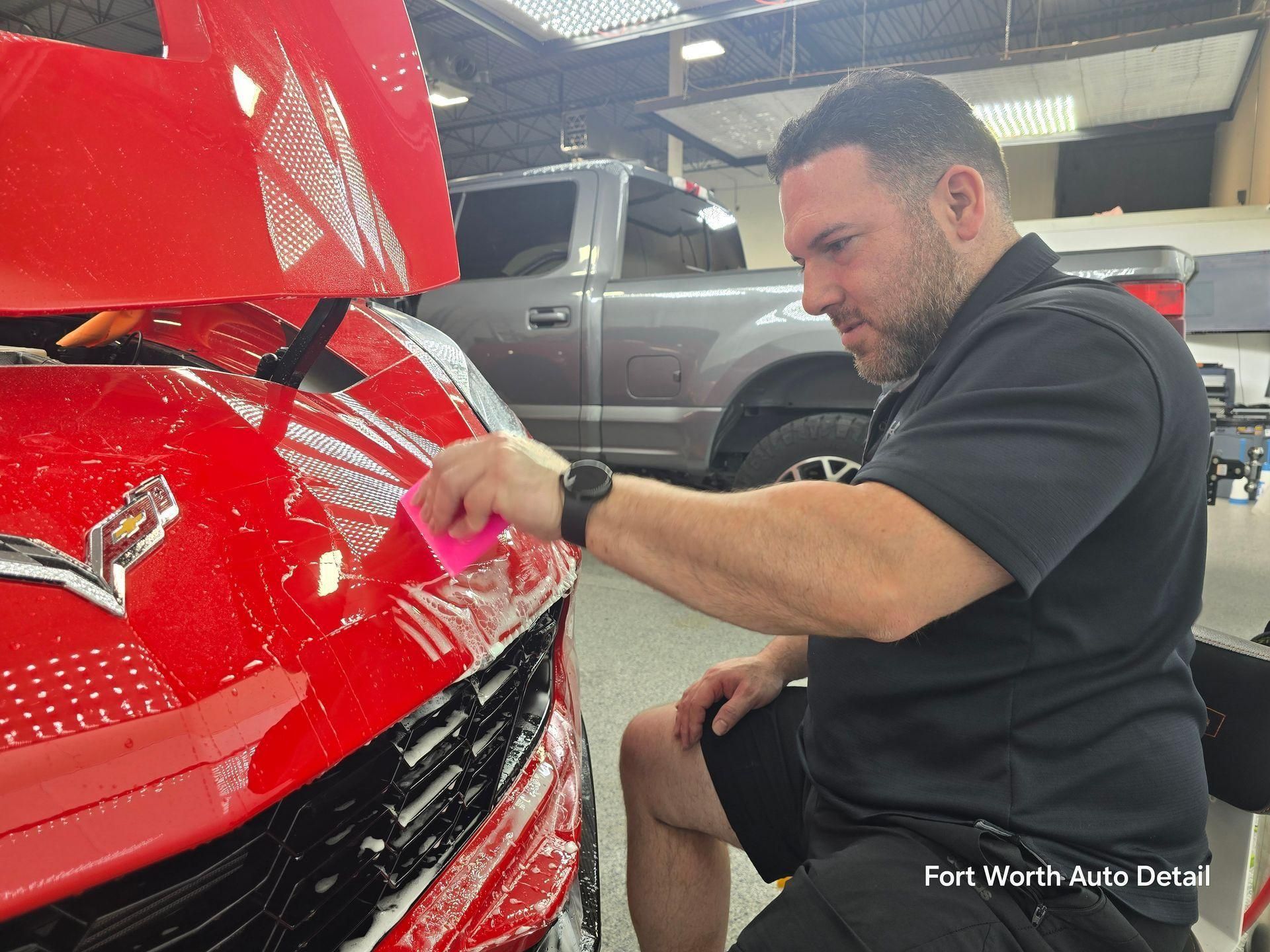
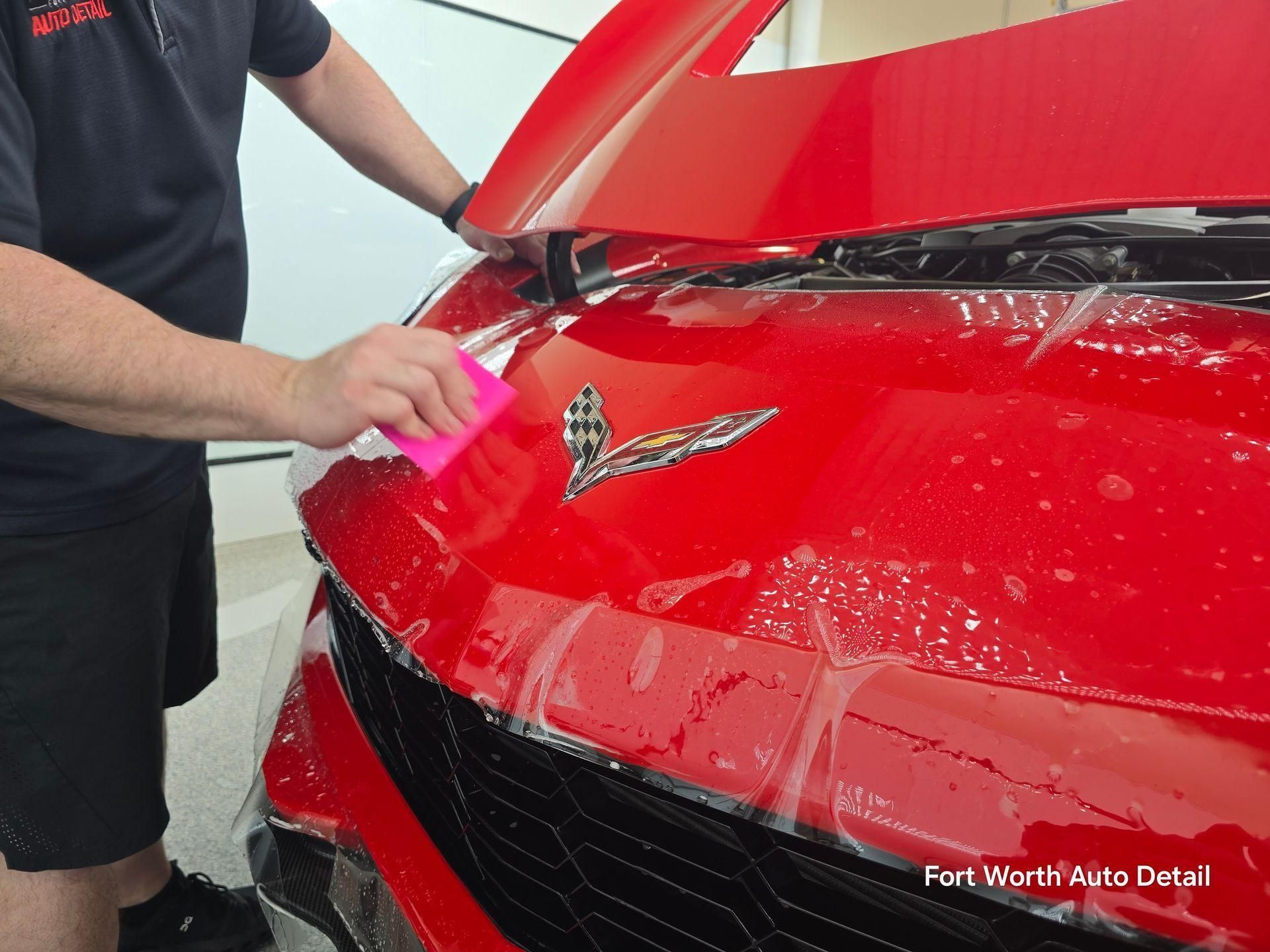
Beneath the visible topcoat of paint protection film sits an adhesive layer responsible for keeping the material securely bonded to the paint. Heat actually plays a functional role here, since many self-healing films rely on warmth from sunlight or hot water to help minor scratches and swirl marks smooth themselves out. In short bursts, this heat-activated response is a benefit rather than a concern. The challenge arises when adhesive is exposed to consistently high temperatures for extended periods without proper curing time after installation, which can affect how strongly the film stays bonded near edges and seams. This is one of the reasons professional installation matters so much in hot climates, since correct curing allows the adhesive to settle properly before it faces the full intensity of a Texas summer.
Cumulative UV and Thermal Exposure Over Time
A single hot day rarely causes noticeable change to paint protection film, but the combination of sustained heat and ultraviolet exposure across months and years is where long-term wear becomes more apparent. Vehicles parked outdoors for extended periods absorb both radiant heat and UV rays simultaneously, and this combined exposure accelerates the natural aging process of the film far more than heat alone would. This is particularly relevant for drivers in Aledo, TX, where summer conditions can stretch on for weeks without significant relief. Recognizing that cumulative exposure, rather than isolated hot days, is the real driver of long-term change helps owners understand why consistent care and periodic inspection matter more than reacting to any single heat wave.
Signs Your PPF May Be Struggling in Hot Weather
While quality paint protection film is built to withstand heat, certain warning signs indicate that a section of film is beginning to lose its effectiveness. Catching these signs early allows for a simpler repair rather than a full panel replacement down the road.
Edge Lifting or Peeling
The edges of paint protection film are consistently the most vulnerable points, since they experience the greatest amount of stress from expansion, contraction, airflow, and repeated hand contact during washing. When heat accelerates the natural movement of the film, edges that were not perfectly sealed during installation can begin to lift slightly, creating small gaps where dirt, moisture, or road grime can work their way underneath. Left unaddressed, this lifting tends to spread further along the seam rather than staying isolated to one small area. Spotting early edge lifting during a routine wash or inspection gives an owner the chance to have it professionally resealed before the issue grows into something more noticeable or costly.
Discoloration or Yellowing
Some vehicles that spend excessive time under direct sun in high-heat environments may eventually show subtle yellowing or a shift in clarity across the surface of the film. This is more common with lower-grade PPF products that lack advanced UV-resistant topcoats, since those films are more susceptible to breaking down chemically when exposed to prolonged heat and sunlight. Higher-quality film is formulated specifically to resist this kind of discoloration, which is part of why material selection matters just as much as installation quality. Owners who notice a yellow tint developing, particularly on horizontal panels like the hood or roof, are seeing an early sign that the film's protective properties may be starting to diminish.
Bubbling or Adhesive Failure
Bubbling beneath the surface of paint protection film is often one of the clearest signs that heat has affected the adhesive bond in a specific area. This can happen when trapped air or moisture beneath the film expands as temperatures rise, creating small pockets that were not visible when the vehicle was cooler. In some cases, this points back to an installation issue rather than film failure itself, since improper application technique can leave air pockets that heat later exposes. Regardless of the cause, bubbling should be addressed promptly, since it compromises the seal that keeps the film functioning as a protective barrier for the paint underneath.
Why Installation Quality Matters in Hot Climates
The way paint protection film is installed has a direct and lasting impact on how well it performs once summer heat sets in across North Texas. A rushed or inexperienced installation can leave seams poorly sealed, edges under-wrapped, or adhesive improperly cured, all of which become far more apparent once high temperatures place additional stress on the material. Professional installers understand how to stretch, position, and cure film in a way that accounts for the thermal cycling a vehicle will experience throughout the year, rather than simply focusing on how the film looks immediately after application. This is especially important for owners in Aledo, TX, where vehicles are regularly exposed to intense sun for months at a time. Choosing an experienced installation team is one of the most effective ways to ensure paint protection film in extreme heat continues performing the way it was designed to. Professional paint protection film installation helps ensure the film is properly positioned, sealed, and cured for reliable performance in Aledo, TX’s extreme heat.
Film Quality and Material Differences in Heat Resistance
Not every paint protection film is manufactured with the same heat tolerance, and this difference becomes especially noticeable once a vehicle faces repeated exposure to high temperatures. Premium films typically feature advanced topcoat technology designed to resist yellowing, maintain flexibility, and support stronger self-healing properties even after months of thermal stress. Thinner or lower-grade films, by contrast, tend to show wear more quickly, with edges more prone to lifting and surfaces more susceptible to discoloration. Selecting a film with proven heat resistance is particularly important for vehicles that spend significant time parked outdoors during Texas summers.
Fort Worth Auto Detail works with film options selected specifically for their ability to hold up under these demanding conditions, helping ensure the investment continues protecting a vehicle's paint well beyond the first season.
Caring for PPF on Vehicles in Aledo, TX's Hot Climate
Proper care plays a meaningful role in how well paint protection film continues to perform once a vehicle is regularly exposed to high heat. Washing habits matter here, since harsh chemicals or abrasive materials used during hot weather can strip away protective topcoats faster than they would in cooler conditions. Parking in shaded areas or using a car cover when possible reduces the cumulative thermal load the film experiences over the course of a summer, which in turn slows the natural aging process. Routine visual inspection, ideally during each wash, allows owners to catch small changes in edges or clarity before they progress into larger issues. These simple habits, practiced consistently throughout the hotter months common in Aledo, TX, help extend the useful life of the film significantly.
When to Have Your PPF Inspected or Replaced
Even well-maintained paint protection film eventually reaches a point where professional evaluation becomes worthwhile, particularly after several years of consistent heat exposure. Signs such as persistent edge lifting, noticeable discoloration, or recurring bubbling in the same area are strong indicators that a section of film may need attention rather than continued monitoring. Scheduling a periodic inspection allows a trained technician to assess whether a spot repair is sufficient or whether a full panel replacement would better protect the paint underneath. Waiting too long after these signs appear can sometimes allow moisture or debris to reach the paint itself, which is the exact outcome PPF is meant to prevent. Regular inspection remains one of the simplest ways to keep protection performing at its best throughout every Texas summer.
Extreme heat is simply part of life for vehicle owners in Aledo, TX, but that does not mean paint protection film has to lose its effectiveness because of it. When quality material, professional installation, and consistent care come together, PPF continues to perform its intended job even through the most demanding summer months. Understanding how paint protection film in extreme heat behaves gives owners the knowledge to spot early warning signs and address them before they become bigger problems. For anyone looking to have their film installed, inspected, or repaired by a team that understands North Texas conditions, Fort Worth Auto Detail offers dedicated paint protection film services built to hold up against the heat this region is known for.
Contact us today to schedule professional paint protection film installation or inspection for your vehicle in Aledo, TX.