Owners of older vehicles often assume that ceramic coating is reserved for brand-new cars fresh off the lot. This is a common misconception that keeps many drivers from exploring a service that could genuinely benefit their vehicle. The truth is that ceramic coating for older cars is not only possible but can be a smart long-term investment when the paint is properly assessed and prepared beforehand. At Fort Worth Auto Detail, we regularly work with vehicles that have years of wear, sun exposure, and daily driving behind them, and we know that age is rarely the deciding factor. What matters far more is the current condition of the paint, the presence of contamination or oxidation, and whether the surface has been properly corrected before any coating is applied. This blog walks through exactly what should be considered before committing to ceramic coating on an older vehicle, so drivers in Benbrook, TX and the surrounding area can make an informed decision.
Why Older Vehicles Need Special Consideration Before Ceramic Coating
Every vehicle ages differently depending on how it was cared for, where it was parked, and how often it was washed or exposed to the elements. An older car that spent most of its life in a garage will often be in far better shape than a newer model that has sat outside under constant sun and weather exposure. This means that chronological age alone does not tell the full story when it comes to preparing a vehicle for ceramic coating. What really matters is the cumulative effect of past washing habits, previous products used on the paint, and how much clear coat remains intact after years of use. Because of this, every older vehicle we evaluate at Fort Worth Auto Detail is treated as its own unique case rather than judged by its model year alone.
Evaluating Your Paint's Condition Before Committing to Ceramic Coating
Before any ceramic coating is applied, a thorough evaluation of the paint's current state is necessary to determine what kind of preparation will be required. This step is especially important for older vehicles, since years of exposure to sun, road debris, and inconsistent maintenance can leave the clear coat in a noticeably different condition than it was when the car was new. Taking the time to properly assess these factors helps set realistic expectations and ensures that the coating will bond correctly and perform as intended once applied.
Checking for Oxidation and Faded Clear Coat
Oxidation is one of the most common issues found on older vehicles, and it typically shows up as a chalky, dull, or faded appearance across the paint's surface. This happens when the clear coat breaks down over time due to prolonged UV exposure, leaving the underlying paint vulnerable and less reflective than it once was. If oxidation is present, ceramic coating cannot properly bond to the surface, since the coating needs a smooth and stable layer to adhere to for long-term durability. Identifying oxidation early allows our team to determine whether correction is possible or whether the affected panels need a different approach altogether.

Identifying Swirl Marks and Scratches
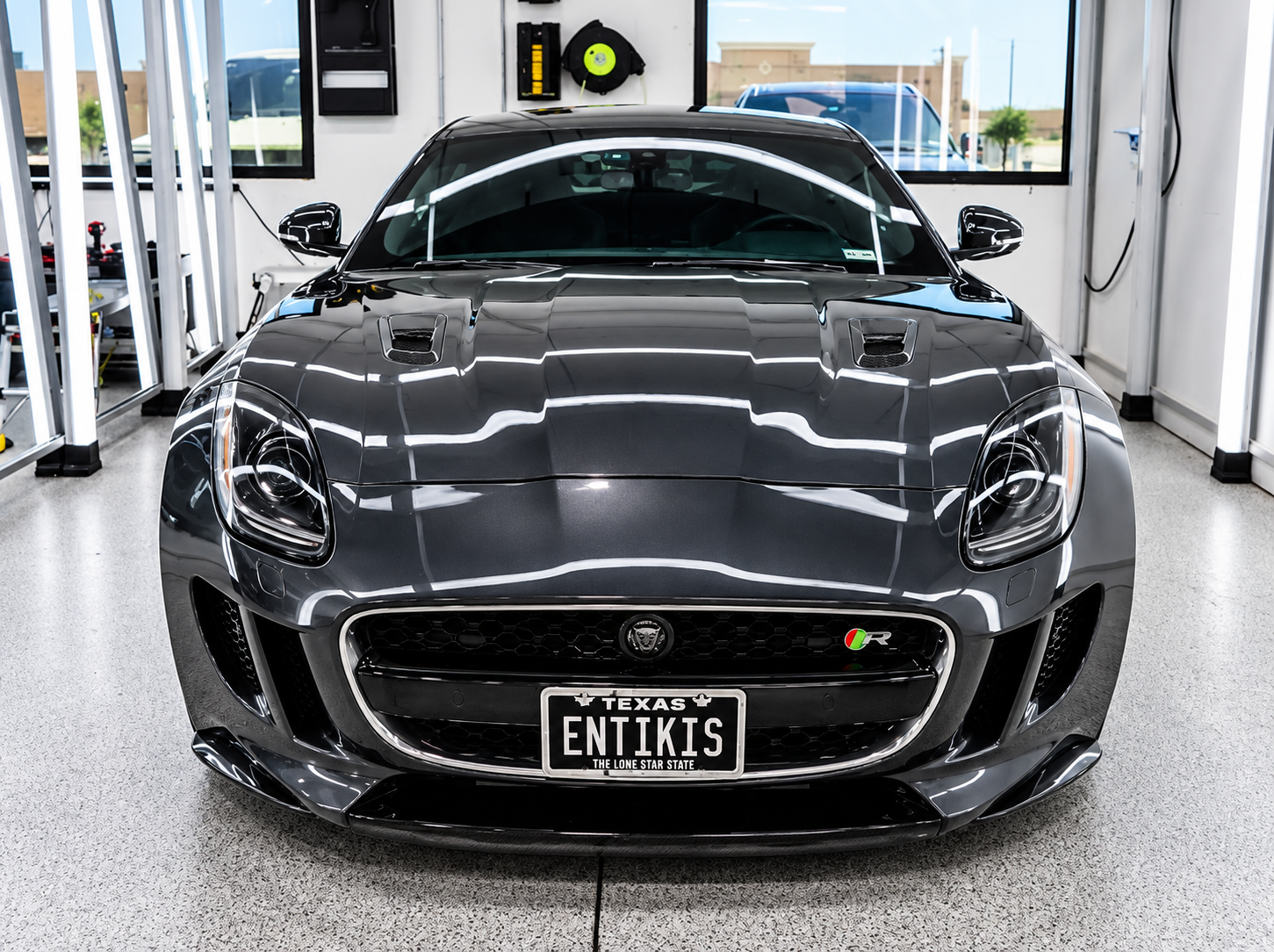
Years of washing, drying, and even automatic car washes can leave behind fine swirl marks and light scratches that become more visible under direct sunlight. These imperfections are often unnoticed by the vehicle owner until the paint is inspected closely under proper lighting conditions. Applying ceramic coating over swirl marks or scratches does not hide these flaws, and in many cases, it can actually make them more visible once the coating adds extra gloss and depth to the surface. This is why identifying these imperfections ahead of time is such a critical part of the preparation process for any older vehicle.
Assessing Surface Contamination and Buildup
Beyond visible imperfections, many older vehicles also carry surface contamination that is not always obvious at first glance. Tar spots, tree sap residue, embedded brake dust, and mineral deposits from hard water can all build up on the paint over years of regular use. If this contamination is not removed before coating, it becomes permanently sealed beneath the ceramic layer, which affects both the appearance and the overall performance of the finish. A detailed inspection helps our team catch these issues early, ensuring that the surface is genuinely clean before any coating touches the paint.
The Importance of Paint Correction and Prep Work
Once the paint has been fully evaluated, the next step involves determining how much correction work is needed to bring the surface to a condition suitable for ceramic coating. This stage is often the most labor-intensive part of the entire process, particularly for older vehicles that have accumulated years of wear. Skipping or rushing this step is one of the most common reasons ceramic coatings fail to perform as expected, which is why our team treats preparation as the true foundation of a successful application.
Paint Correction Techniques for Older Paint
Paint correction on older vehicles requires a careful balance between improving the finish and preserving enough clear coat to protect the paint long-term. Depending on the severity of the imperfections, this may involve light polishing to remove minor swirl marks or more intensive multi-stage correction for deeper oxidation. Because older vehicles often have thinner clear coats due to natural wear over time, our team pays close attention to how much material can safely be removed during this process without compromising the paint's integrity.
Decontamination and Claying the Surface
Before any correction or coating begins, the vehicle undergoes a thorough decontamination process to remove embedded particles that washing alone cannot eliminate. This typically involves a chemical decontamination treatment followed by claying the surface, which physically lifts away bonded contaminants like brake dust and industrial fallout. This step is essential for older vehicles in particular, since years of driving on Texas roads can leave behind stubborn buildup that would otherwise interfere with how well the ceramic coating bonds to the paint.
Addressing Deep Imperfections Before Coating
Not every imperfection found on an older vehicle can be fully corrected, and being honest about these limitations is an important part of the process. Deep marks that have penetrated through the clear coat, or areas where the paint has already thinned significantly, may only be partially improved rather than completely eliminated. Understanding what is realistically achievable before coating begins helps set accurate expectations, so vehicle owners know exactly what kind of results they can expect once the process is complete.
Can Every Older Car Be Ceramic Coated?
Not every older vehicle is an ideal candidate for ceramic coating, and recognizing this upfront helps avoid disappointment down the road. Vehicles that have been consistently maintained, garage-kept, or driven with care often respond very well to correction and coating, revealing a finish that looks noticeably refreshed once the process is complete. On the other hand, vehicles with severe rust, extensive clear coat failure, or peeling paint may not be suitable candidates, since ceramic coating cannot repair structural paint damage or reverse deep degradation. Being transparent about these limitations is something our team values, since setting realistic expectations leads to better long-term satisfaction for the vehicle owner.
Benefits of Ceramic Coating for a Well-Prepped Older Vehicle
When an older vehicle's paint has been properly corrected and prepared, ceramic coating can genuinely transform the way the car looks and feels on a daily basis. The added gloss and depth often make the paint appear years younger, giving the vehicle a refreshed and well-maintained appearance that many owners did not expect to see again. Beyond the visual improvement, the coating also makes ongoing maintenance significantly easier, since dirt, grime, and water spots have a much harder time bonding to the treated surface. On top of that, the coating provides an additional protective layer against UV exposure and minor environmental contaminants, helping preserve the results of the correction work for years to come.
What to Expect During the Ceramic Coating Process for Older Cars
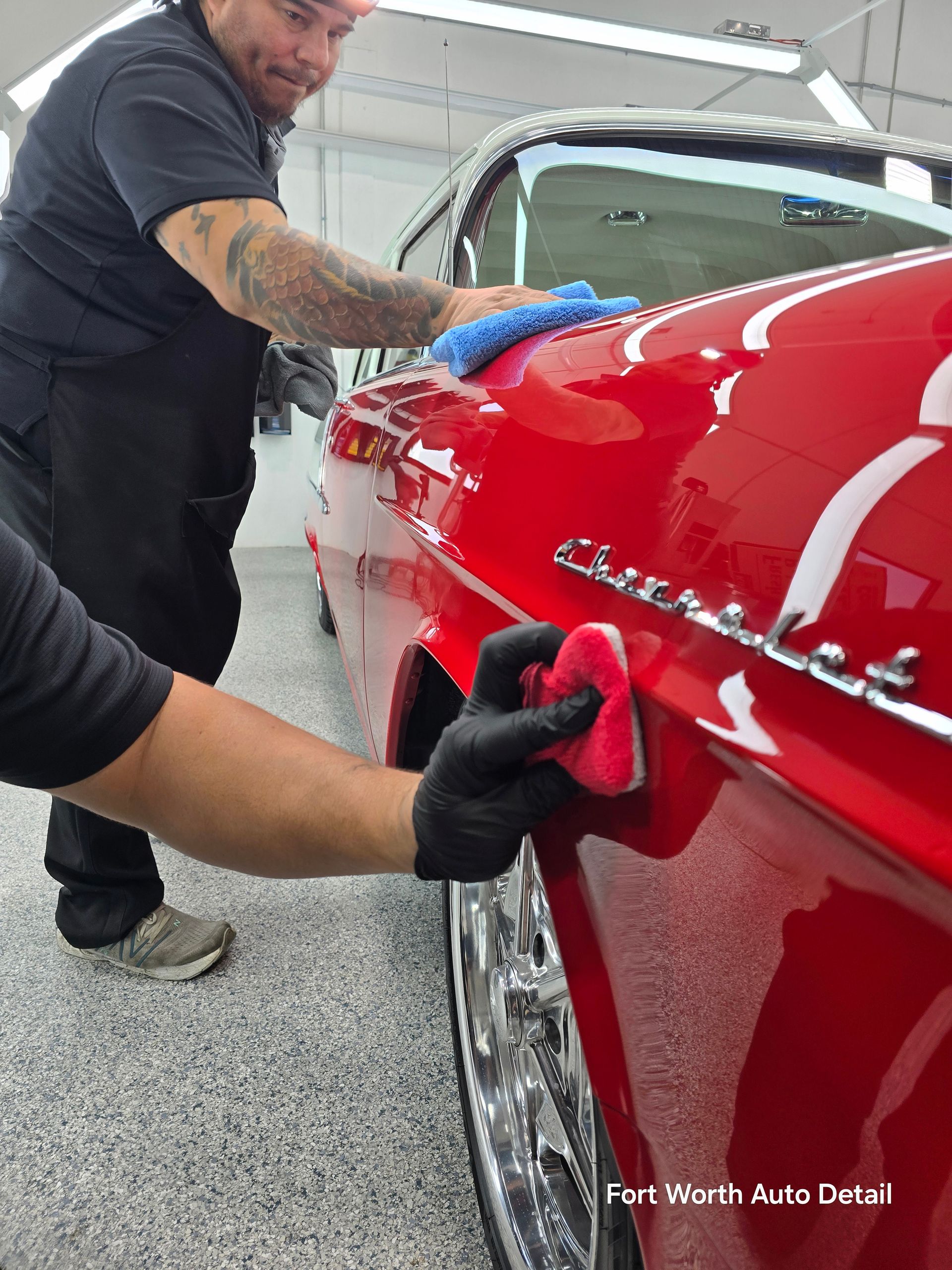
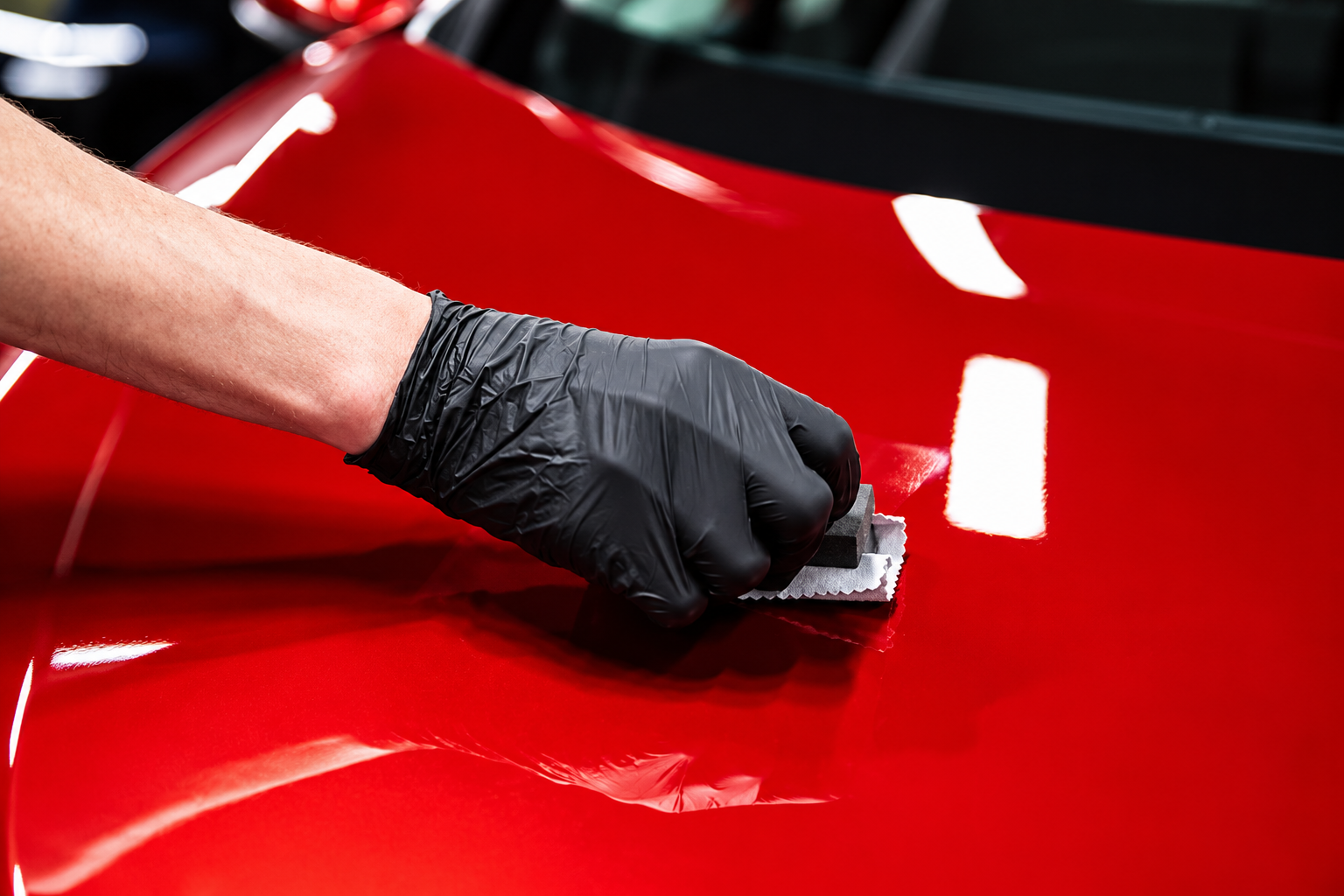
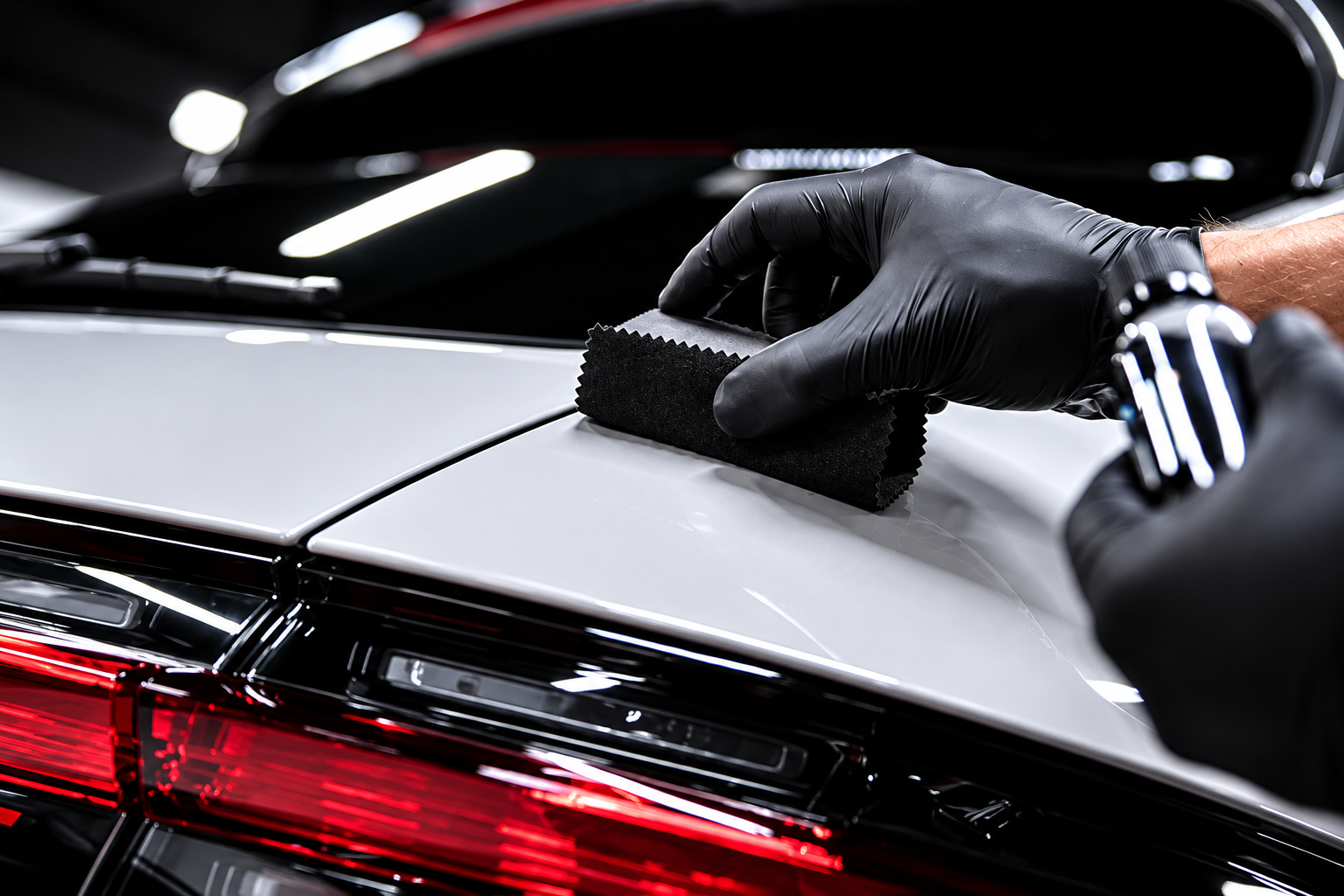
Understanding the full process ahead of time helps vehicle owners feel confident about what their car will go through before, during, and after treatment. The process typically begins with an in-person inspection and consultation, where our team evaluates the paint's condition and discusses realistic expectations based on what we observe. From there, the vehicle moves into the correction and preparation phase, which often takes longer on older vehicles compared to newer ones due to the additional work involved. Once the surface has been properly corrected and cleaned, the ceramic coating is applied and given adequate time to cure, ensuring it bonds correctly before the vehicle is returned to the owner. Professional ceramic coating installation helps ensure the coating bonds evenly to the prepared paint for lasting gloss and protection.
Maintaining a Ceramic Coating on an Older Vehicle
Proper maintenance after the coating has cured plays a major role in how long the results last and how well the vehicle continues to perform against everyday exposure. Washing the vehicle using gentle, pH-balanced products and soft microfiber tools helps preserve the coating's integrity, while avoiding automatic car washes with abrasive brushes prevents unnecessary wear over time. Periodic inspections are also recommended to catch any areas that may need touch-up attention, particularly for older vehicles where the underlying paint may still be more sensitive than that of a newer car. With consistent care, a properly applied ceramic coating can continue protecting an older vehicle's paint for years after the initial application.
Finding the Right Detailing Professional in Benbrook, TX
Choosing an experienced professional to evaluate and prepare an older vehicle for ceramic coating makes a significant difference in the final outcome. A qualified detailer will take the time to properly inspect the paint, explain what correction work is realistically achievable, and set honest expectations rather than promising results that cannot be delivered. For drivers throughout Benbrook, TX, and the greater Fort Worth area, Fort Worth Auto Detail offers the kind of thorough inspection and preparation process that older vehicles require before ceramic coating is applied.
Give Your Older Vehicle a Renewed Finish
Age alone does not determine whether a vehicle is a good candidate for ceramic coating, since the true deciding factors are the current condition of the paint, the level of contamination present, and how much correction work is realistically possible. Older vehicles that have been well cared for often respond beautifully to proper preparation, revealing a finish that looks refreshed and feels easier to maintain for years afterward. If you have been considering ceramic coating for older cars in the Benbrook or Fort Worth area, reaching out for a professional inspection is the best first step toward understanding what your vehicle's paint truly needs.
Contact us today to schedule a consultation and find out whether your older vehicle is ready for the protection and shine that ceramic coating can provide.