What Happens If Paint Under PPF Needs to Be Repaired?
Paint protection film creates a durable barrier between a vehicle’s finish and many hazards encountered on Fort Worth roads. However, a strong impact or body damage can sometimes reach the painted surface beneath the film. When this occurs, the repair involves more than simply addressing the visible damage. The affected PPF may need to be removed, the exposed paint must be repaired correctly, and fresh paint must receive enough time to cure before new film is applied. Understanding each stage of the PPF paint repair process helps vehicle owners coordinate the work properly and avoid decisions that could affect the repaired finish or replacement film.
Why Paint Beneath PPF May Still Need Repair
High-quality PPF can help defend paint against road debris, minor surface marks, stains, and everyday exposure, but no protective material can prevent every form of damage. A collision, sharp impact, deep dent, or heavy object may damage both the film and the painted panel underneath it. Paint problems that existed before installation may also become noticeable later and require correction. In these situations, a professional must determine whether the damage is limited to the PPF or extends into the clear coat, color coat, or panel. That distinction shapes the entire repair plan because damaged film and damaged automotive paint require different materials, preparation methods, and professional services.
What Happens Before the Paint Repair Begins
A successful repair begins with a careful assessment rather than the immediate removal of the film. The affected panel, adjoining panels, PPF edges, and visible paint condition should all be examined before any work starts. This inspection helps the PPF installer and repair facility understand the extent of the damage and determine the correct order of service. It also creates an opportunity to document the existing condition of the vehicle, identify areas requiring special care, and decide whether only one section of film or a larger coverage area may eventually need replacement.
Inspecting the Film and Underlying Paint
The inspection should identify punctures, tears, lifted edges, bubbling, discoloration, impact marks, and distortion in the PPF. A professional will also look for signs that the force of the damage reached the paint or changed the shape of the panel. Damage beneath the film may not always be obvious from a quick visual check, especially when the PPF remains attached. The location, depth, and type of impact can help determine whether controlled film removal is necessary for a complete evaluation. A thorough assessment prevents technicians from treating the film as the only damaged layer when the painted surface also requires attention. At Fort Worth Auto Detail, the inspection process helps determine whether the damage is limited to the PPF or has reached the painted surface underneath.
Removing PPF From the Affected Panel
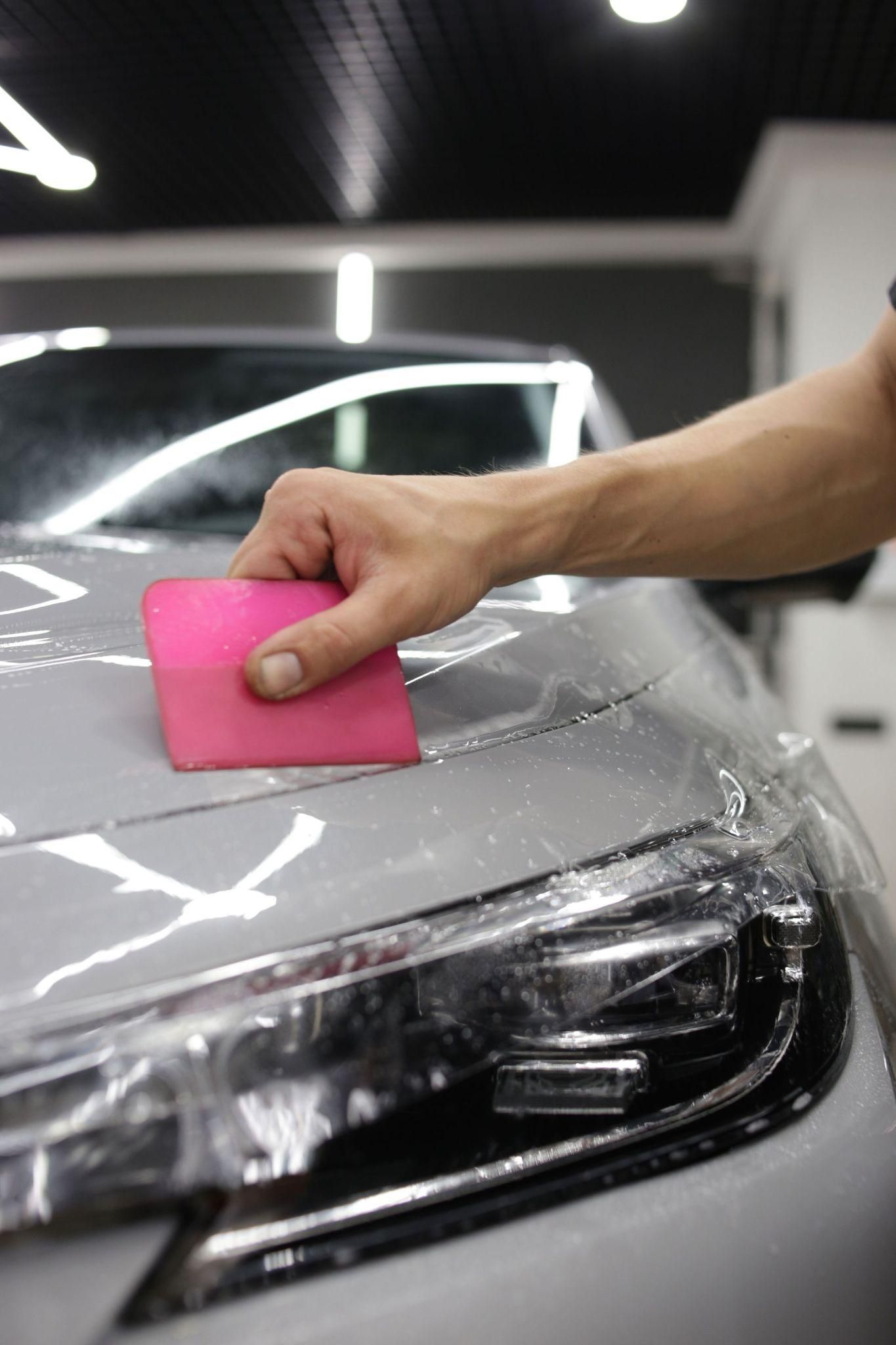
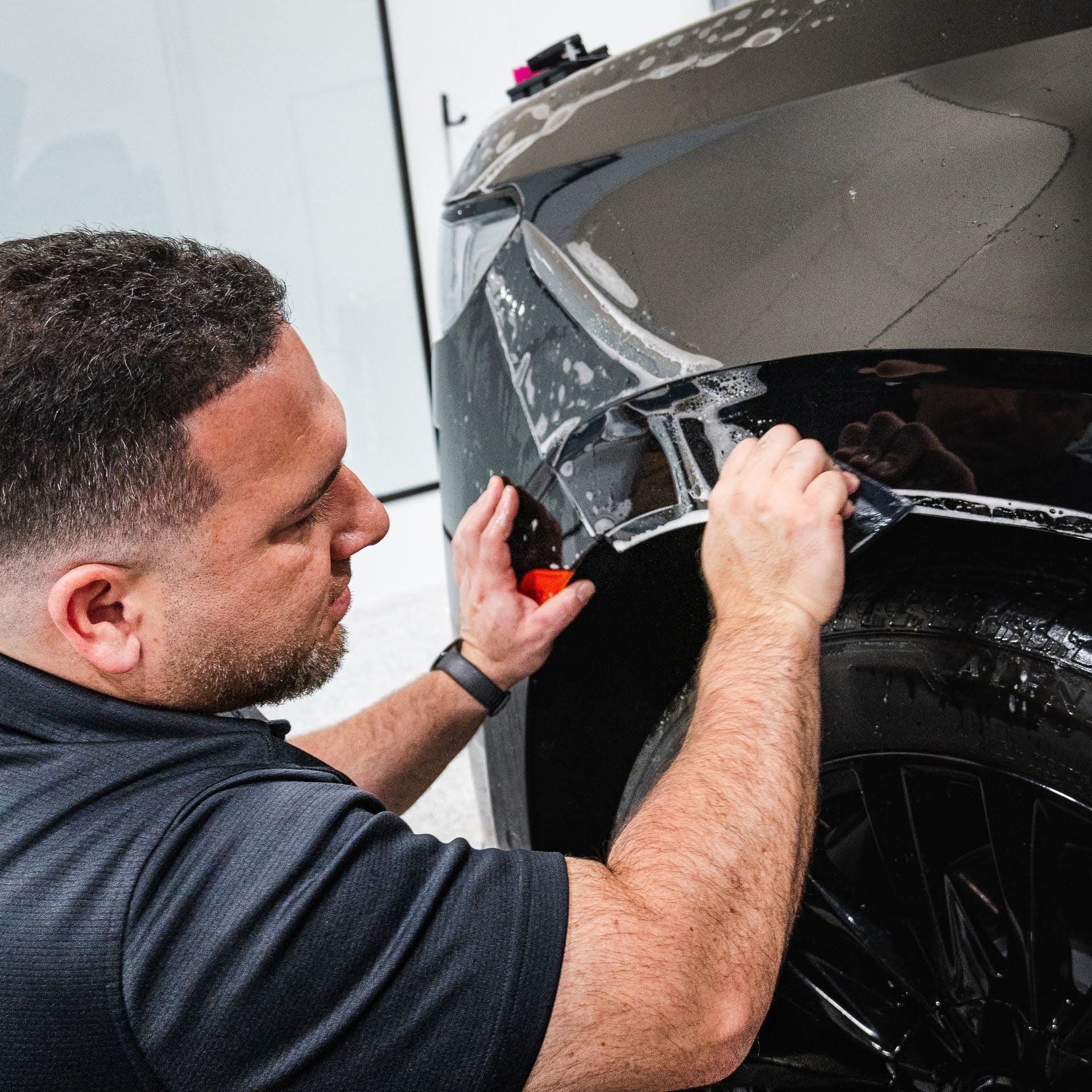
PPF generally must be removed before body preparation, sanding, priming, color application, or clear-coat work can begin. Leaving it on the damaged panel would block access to the surface and interfere with a smooth, consistent paint repair. Removal should be completed with controlled techniques and suitable heat so unnecessary stress is not placed on the finish. The condition and age of the film, the quality of the original installation, and the stability of the underlying paint can all influence this process. Professional handling is particularly important when the film sits beside undamaged panels that will remain protected.
Protecting the Surrounding Film and Panels
Not every panel needs to lose its PPF when the damage is concentrated in one area. Film on adjoining surfaces may remain in place if its edges and coverage are unaffected, but those areas should be protected during the repair. Proper masking and careful workspace preparation can limit exposure to dust, polishing residue, overspray, and other contaminants. Technicians must also avoid pulling or lifting nearby edges while removing the damaged section. Preserving unaffected film can reduce the amount of replacement material needed while helping the vehicle retain consistent protection across areas that were not involved in the original damage.
How the Exposed Paint Surface Is Repaired
Once the affected film has been removed, the repair facility can evaluate the entire painted surface and determine the work required. Depending on the damage, the process may involve dent repair, surface leveling, sanding, primer, color matching, paint application, and a new clear coat. The repaired panel should have an even finish without raised edges, trapped residue, uneven texture, or other defects that could remain visible after paint protection film installation. Because transparent film follows the surface beneath it, it cannot compensate for incomplete bodywork or poorly finished paint. The panel must therefore be restored correctly before a replacement film installation is scheduled.
Why Fresh Paint Must Cure Before PPF Reinstallation
Fresh paint may appear dry before it has completely cured, which makes timing an important part of PPF paint repair. Installing adhesive film prematurely can interfere with the paint’s curing process and may create problems when the film is adjusted or eventually removed. The correct waiting period is not identical for every vehicle or repair because paint systems, products, application conditions, and repair methods can vary. Vehicle owners should follow the guidance of the facility that completed the paintwork and inform the PPF installer that the panel has recently been refinished.
How Curing Supports a Stable Finish
Automotive paint and clear coat need time to harden and release remaining solvents after application. A properly cured surface provides a more stable foundation for the adhesive used with paint protection film. If PPF is applied while the finish is still soft or releasing solvents, adhesion may become inconsistent, and the appearance of the film could be affected. Premature installation may also increase the risk of disturbing the new finish during positioning. Allowing the full curing process to occur helps the paint reach the condition intended by its manufacturer before it is covered by a protective layer.
Factors That Can Affect the Curing Period
There is no single curing schedule that applies to every refinished panel. The type of paint and clear coat, the number of applied layers, shop temperature, humidity, airflow, and drying equipment can all influence how long the finish needs. The extent of the repair may also matter because a small refinished area and a fully repainted panel may involve different preparation and application procedures. Instead of selecting a waiting period based on general advice, owners should ask the paint technician for instructions connected to the products and methods used on their vehicle. This approach supports better coordination and reduces unnecessary uncertainty.
Confirming When the Paint Is Ready for PPF
The paint or body repair facility should provide the initial confirmation that the finish has completed its required curing period. Before installation, the PPF professional should inspect the panel again to confirm that it is clean, smooth, stable, and suitable for film. This final review may reveal dust nibs, texture differences, residue, or other surface concerns that should be addressed before coverage is restored. Communication between the repair technician and installer is valuable because each professional evaluates the panel from a different perspective. Reinstallation should proceed only after the repaired surface meets the requirements for safe film application.
Can Removed PPF Be Installed Again?
PPF taken off a damaged or repainted panel generally cannot be installed again with the same fit and performance. Removal can stretch the material, weaken or contaminate its adhesive, and alter the carefully shaped edges that matched the original panel. The removed section may also contain impact damage that makes reuse unsuitable, even if portions of it still appear clear. For these reasons, a newly repaired panel typically receives a new piece of film after the paint has cured. Replacing that section helps restore secure adhesion, accurate coverage, and a clean finish without relying on material that has already been disturbed.
How Replacement PPF Restores Panel Coverage
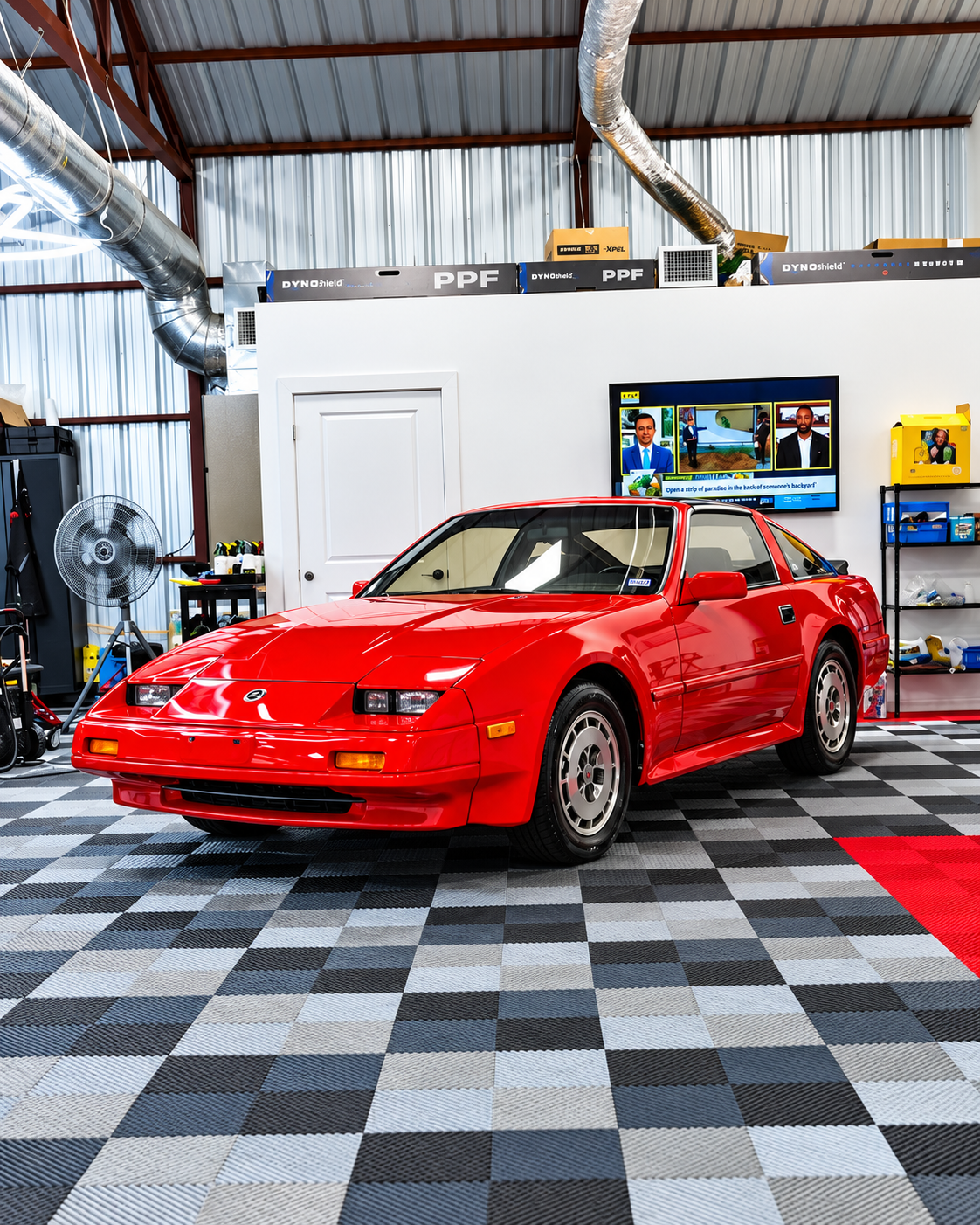
Before replacement PPF is applied, the repaired panel must be inspected and carefully prepared to remove dust, residue, oils, and other contaminants that could interfere with adhesion. The new film is then measured and fitted to the panel so its edges and coverage coordinate with the remaining protection. Fort Worth Auto Detail approaches PPF installation according to the dimensions and selected coverage of each vehicle, with gloss and matte options available for different finishes. Professional installation helps the replacement section sit smoothly over the repaired surface while maintaining a consistent appearance with protected areas elsewhere on the vehicle.

Coordinating Paint Repair and PPF Replacement
Planning the services in the correct order can make the overall process easier to manage. The damage should first be inspected so owners know whether the film, paint, body panel, or all three require attention. The affected PPF can then be professionally removed before the appropriate repair facility completes the body and paintwork. After the finish has cured for the period specified by the paint technician, the vehicle can return to a qualified PPF installer for final surface inspection and new film. Clear communication between everyone involved helps prevent premature installation, scheduling confusion, and unnecessary disturbance to surrounding protected panels.
Plan Your PPF Paint Repair in Fort Worth, TX
Damage beneath PPF does not mean that every protected area on the vehicle must be replaced. In many cases, the process can focus on the affected panel while preserving film that remains secure and undamaged elsewhere. The key is to remove the necessary section carefully, complete the paint repair properly, allow the fresh finish to cure, and install new film only when the surface is ready. Fort Worth Auto Detail provides customized paint protection film installation in Fort Worth, TX, for drivers who want to restore protection after eligible paintwork is completed.
Contact us to arrange a professional inspection and discuss suitable replacement coverage for the repaired panel.