PPF Installation Guide: What Vehicle Owners Need to Know About Protection and Cost
Paint protection film, or PPF, is a smart way to keep your car looking fresh without changing how it looks. Many vehicle owners wonder if it's worth the time and cost, especially since installing PPF isn't as simple as just sticking on a sticker. The truth is, getting it right takes careful work and the right materials to really protect your paint from chips, scratches, and sun damage. In this article, we will delve into the installation process, the selection of high-quality film, the associated costs, and the significant benefits of hiring a professional.
PPF Installation: Process and Expectations
Installing paint protection film isn't simply about applying a sticky layer onto your car's surface. It demands precision, care, and patience. The journey begins with surface preparation, which is one of the most critical steps. Anything left on the paint, whether dust, grease, or even microscopic dirt, can cause bubbles or blemishes that not only look bad but also compromise the film's ability to protect. Professionals use mild yet effective cleaners and often follow up with a clay bar treatment to ensure the surface is perfectly smooth and free from contaminants. Once the surface is pristine, the focus shifts to cutting the film. Today's installers rely heavily on computer-aided design programs that tailor custom templates for different vehicle makes and models, ensuring a near-perfect fit before any film touches your car. This precision eliminates guesswork and reduces waste.
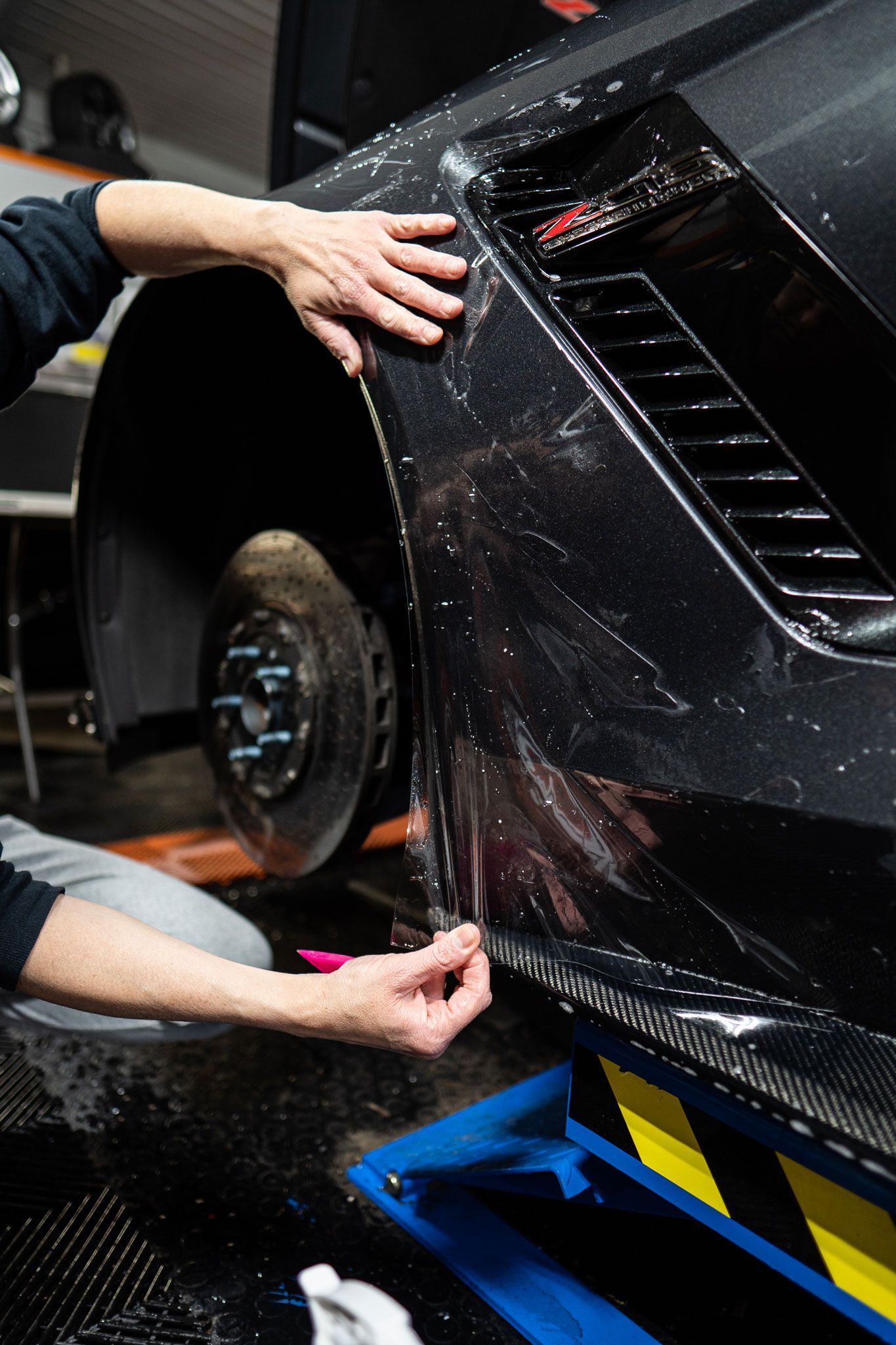
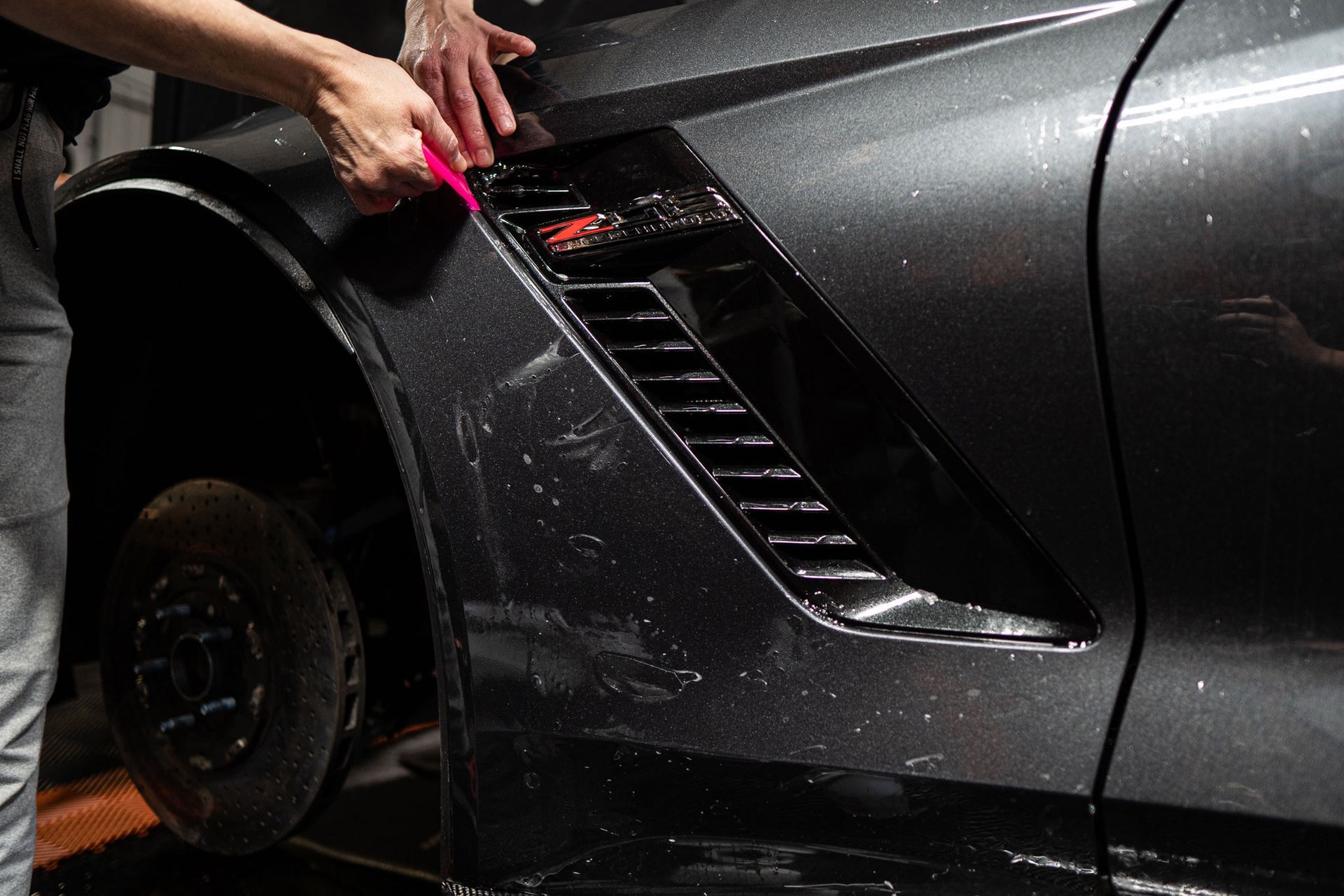
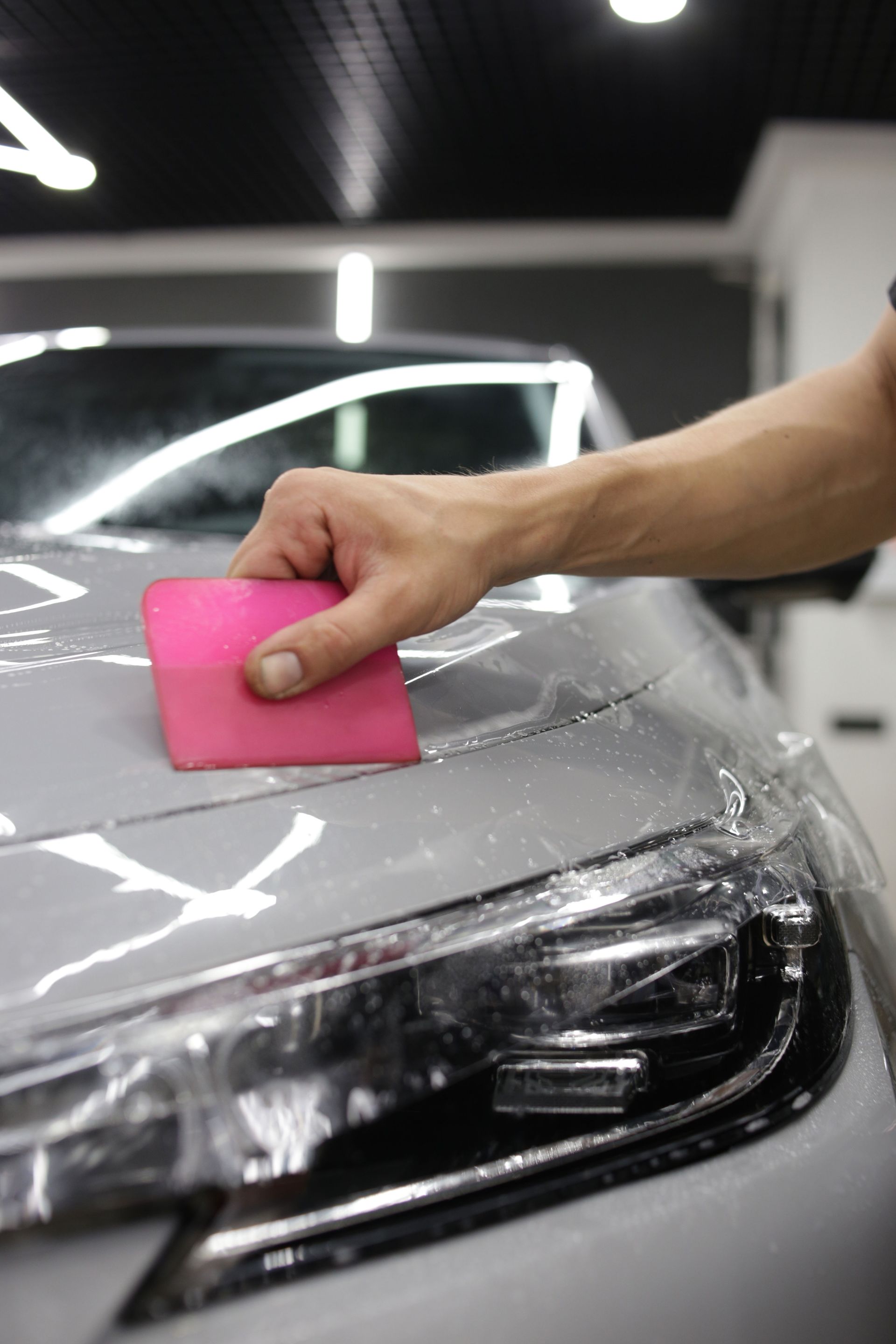
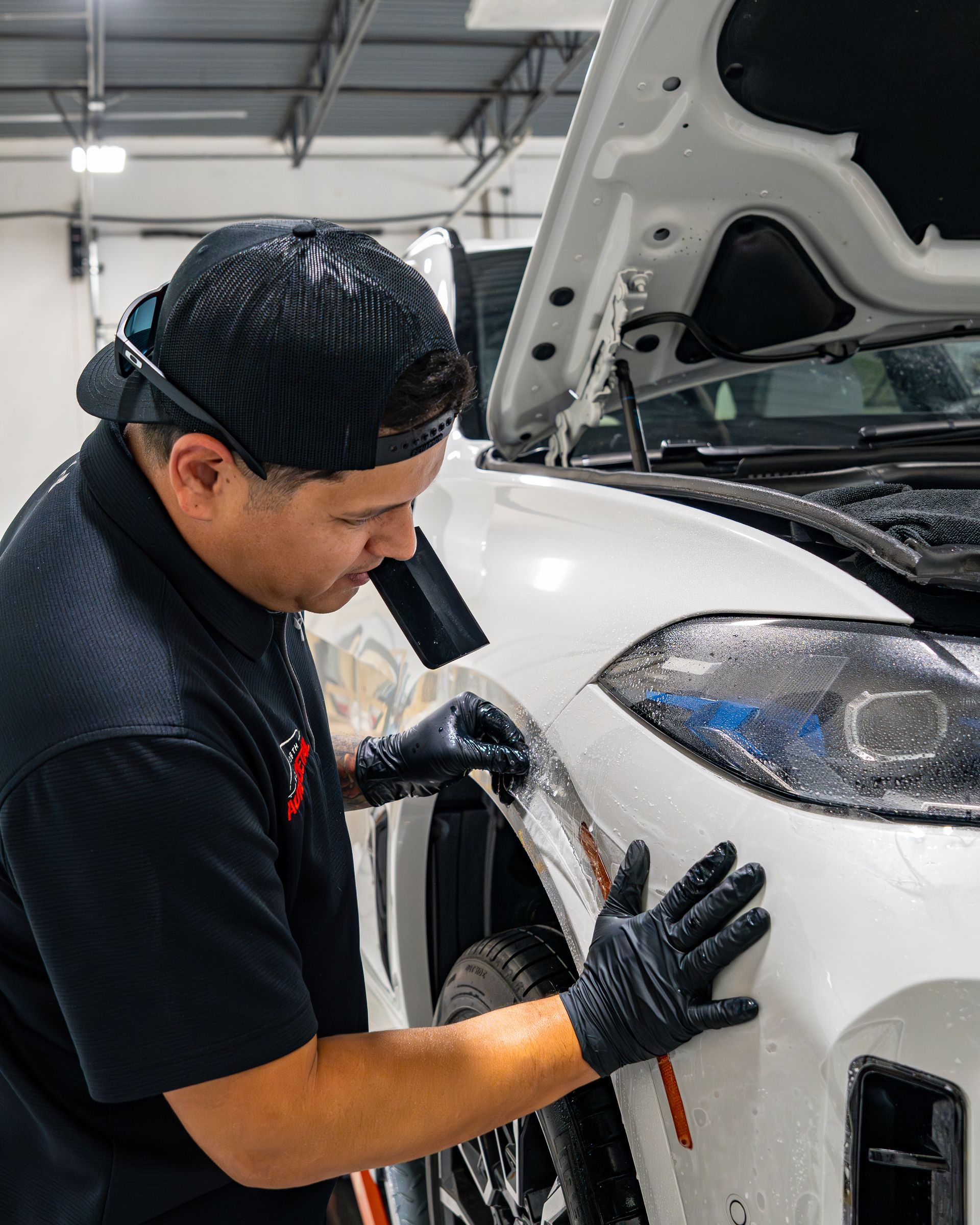
After cutting comes the application preparation. Installers spray a slip solution made from soapy water onto both the film's adhesive side and your car's surface. This allows the film to glide smoothly over curves and bumpers without sticking prematurely, giving installers time to position the film exactly right before it bonds. The real art happens during positioning and squeegeeing. Skilled hands gently work from the center outward, pressing out water and air trapped underneath using specialized squeegees. This process requires a calm approach; rushing increases chances of trapping air pockets or creasing fragile edges. Dust-free environments are essential because even a single speck can ruin a section of film.
As installation nears completion, attention turns to edge work. Trimming away extra material along door handles, grills, headlights, and other intricate spots requires both delicacy and experience. Well-sealed edges prevent future peeling or lifting, particularly important given how weather, washing, and driving conditions can challenge unsealed borders over time. A full PPF installation typically takes several hours depending on vehicle size and coverage complexity. Some installers spread this task over multiple sessions to maintain quality. Controlled temperature, low humidity, and dust-free surroundings make all the difference between lasting durability and disappointing degradation.
Choosing Quality Paint Protection Film
Not every paint protection film is built the same, and selecting a high-quality product will directly impact how well your vehicle's paint holds up. A film's thickness plays a key role: thinner films might feel less intrusive but often sacrifice durability, while thicker, multi-layered films provide greater resistance to scratches, chips, and abrasions without visibly altering your car's appearance. Films equipped with self-healing technology stand out because they can recover from small scratches or swirl marks simply through exposure to heat, whether from the sun or a warm water rinse. This feature keeps your vehicle looking pristine longer and postpones the need for costly replacements.
Another vital factor is UV and chemical resistance. Your vehicle's finish faces constant assault from sunlight, acid rain, bird droppings, and road salts, all of which can fade or degrade paint over time. A quality PPF acts like a shield, absorbing UV rays and resisting harsh chemical exposure to preserve both color and clarity. If you live in sunny climates or frequently park outdoors, prioritizing films designed for UV protection will help maintain your car's showroom look for years. When choosing film, leaning on established manufacturers with proven track records can save you headaches. Seek products that offer warranties reflecting confidence in their performance and access to professional support.
Cost Considerations and Value
When assessing the cost of PPF installation, the sticker price is only one part of the equation. The type of film chosen, coverage extent, and installation complexity all shape the final price. High-end films with advanced self-healing properties come at a premium compared to basic options. Covering the entire vehicle requires far more labor and material than protecting key areas like front bumpers or side mirrors. Vehicle size deeply influences costs. A compact sedan requires less film and time than a large SUV or pickup truck. Intricate designs or curves demand precise cutting and careful application, which installers charge extra for due to increased effort. Full-body wraps can range from around $2,000 up to $7,000 or more, while partial protections often fall between $700 and $1,500. While these figures might seem steep, PPF functions as a long-term shield for your vehicle's paintwork. Protecting your car from chips, scratches, and environmental damage can save you thousands in paint repairs down the line.
Well-maintained paintwork also significantly boosts your car's resale value, often recouping much of your upfront investment through higher trade-in offers. Quality installation impacts both cost-effectiveness and durability. Professional installers bring precision tools and expertise that minimize mistakes like bubbles or edge lifting. Attempting DIY applications might seem economical but often leads to costly replacements that eliminate any savings. The value equation includes peace of mind, knowing your investment is protected by professionally applied film backed with warranties.
Why Professional Installers Matter
While DIY paint protection film kits might seem tempting, professional installers bring expertise that fundamentally changes the outcome. Installing PPF demands precision, patience, and deep knowledge about both the material and the vehicle. Professionals have honed specialized skills to handle complex curves, edges, and contours. They expertly cut and position the film to fit perfectly, avoiding unsightly bubbles, wrinkles, or lifting edges. These installers use advanced tools such as heat guns and edge trimmers that are vital for heating, stretching, and smoothing the film to bond seamlessly without compromising underlying surfaces. Beyond perfect application, many professional installations come with valuable warranties covering defects in both film quality and installation. Should peeling, discoloration, or cracks occur prematurely, you won't face costly repairs on your own. Reliable installers often provide ongoing service or touch-ups after installation to maintain effectiveness over years of use.
How PPF Protects Your Vehicle and Maintenance
Paint protection film serves as a sacrificial shield, taking the brunt of impacts, abrasions, and environmental wear. PPF is engineered with multiple layers that absorb and disperse forces from road gravel, bugs, and minor scratches rather than allowing them to reach your paint. This prevents chips and scratches that expose underlying metal to moisture and air, which accelerates rust and corrosion. Beyond physical protection, quality PPF films block chemical hazards. Bird droppings and acid rain can etch stubborn marks into paint, but a robust PPF layer resists these assaults, making cleanup easier and preventing permanent stains.
It also shields against ultraviolet light that causes paint to oxidize and fade. With integrated UV inhibitors, PPF preserves vibrancy much longer than an unprotected surface. This protection typically lasts five to seven years depending on the product and care. To maximize these advantages, regular upkeep is critical. Use pH-balanced detergents designed for automotive finishes rather than harsh chemicals that can degrade the film. Microfiber cloths are ideal because they pick up particles without scratching. Avoid high-pressure car washes that risk lifting edges or causing bubbles. Handwashing with moderate water pressure lets you inspect the film's condition closely. Periodically check your vehicle's film for signs of wear such as lifting corners, discoloration, or tears, and address these issues immediately. Small repairs done promptly prevent costly replacements and maintain seamless protection. Proper maintenance is essential to maximize the lifespan and effectiveness of your paint protection film.
Top PPF Services in Aledo, TX
Fort Worth Auto Detail provides
professionally installed paint protection film that helps maintain your vehicle’s finish against daily exposure from highways, parking lots, and changing weather conditions. Serving drivers throughout Aledo, our installation process is carefully tailored to each vehicle for clean coverage and a refined appearance.
Schedule your paint protection film service today and enjoy added peace of mind every time you get behind the wheel!