Role of Precise Surface Prep in Pro Ceramic Coating Results: Importance and Benefits Explained
When you think about protecting your car's paint, ceramic coatings often come to mind as a top choice. But here's the thing: no matter how advanced the coating formula is, it can only do its best job if the surface underneath is perfectly prepared. Skipping or rushing through this crucial step is like trying to paint over dust; it just won't stick right. That's why understanding the role of precise surface preparation isn't just helpful; it's essential for getting lasting shine and protection from your ceramic coating. Precise surface preparation is crucial for ensuring optimal bonding, durability, and appearance of professional ceramic coatings. Careful cleaning, removing impurities, polishing, and using panel prep sprays get rid of dirt and leftover substances that can stop the coating from sticking well, which helps ensure better protection and a perfect look.
Importance of Proper Surface Prep
Proper surface prep is about giving your car's paint the best possible foundation. Imagine trying to glue two surfaces together; if one side is dirty or oily, the bond will weaken and fail sooner than expected. This scenario is precisely what happens if you rush the prep before applying a ceramic coating. Residues such as oils from waxes, polishing compounds, or even microscopic dust settle on the paint and can prevent the coating from chemically bonding properly. When that bond is compromised, the durability and protective power of the coating suffer, and you lose both longevity and performance.
Improper surface prep can significantly reduce coating adhesion, leading to early failure. The strength of adhesion depends heavily on how meticulously contaminants are removed beforehand. That's why professionals emphasize thorough cleaning, decontamination, light mechanical polishing when necessary, and the strategic use of panel prep sprays. These steps remove embedded grime that washing alone cannot handle, things like industrial fallout, road tar, and even polish oils left behind after correction work. To put it simply, preparing a car's surface for ceramic coating is similar to baking a cake, where every ingredient must be measured and mixed carefully; the outcome hinges on that precision. Skipping steps is like omitting flour in your batter; it just won't hold together as it should. Beyond just removing dirt, another key to proper prep lies in achieving the correct surface texture for optimal bonding.
Creating the Optimal Surface
The ideal surface for ceramic coating isn't just clean; it has a subtle level of texture that creates better mechanical grip for the coating to latch onto. Polishing plays a dual role here: it refines paint imperfections while also ensuring the right surface profile without eating too deeply into clear coat layers. Excessive polishing can thin protective layers unnecessarily, so light finishing polishes are recommended unless you're correcting noticeable defects.
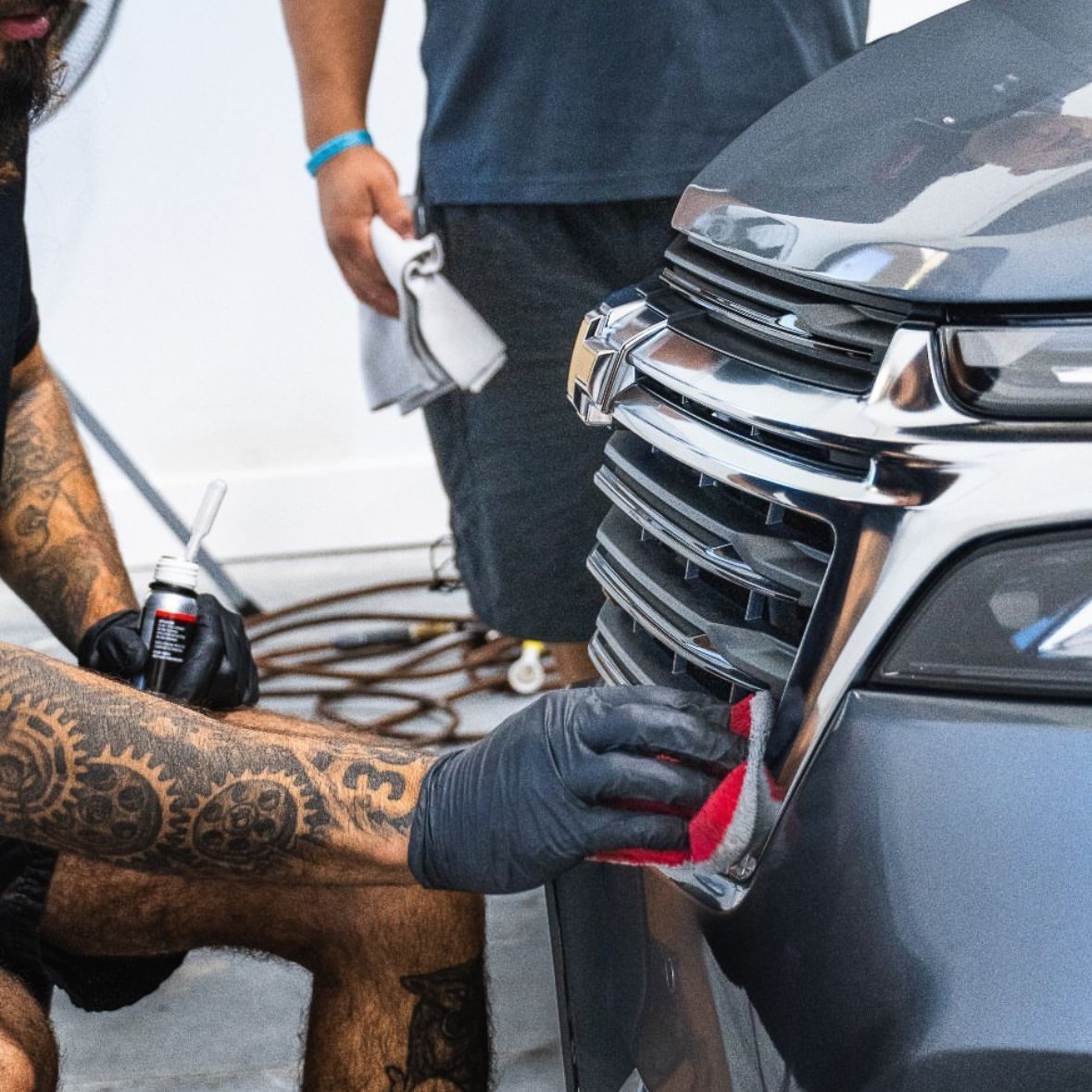
After polishing comes panel prepping sprays containing alcohol-based solvents, which are indispensable for breaking down any residual oils or polish residues invisible to the naked eye. Applying these sprays just before coating ensures a pristine canvas, allowing coatings to cure evenly and fully activate their hydrophobic properties. Waiting about 20 minutes for these agents to evaporate is a small but vital detail practitioners recommend. Coatings applied over properly prepped surfaces retain their water-repellent qualities longer under environmental stress compared to poorly prepped panels. Similarly, vehicles with precise prep reports reduced paint imperfections after one year, proof that surface prep doesn't only enhance adhesion but also improves aesthetic longevity. With these technical requirements in mind, it becomes clear how vital each step in surface prep is not just busywork but a methodical protocol that sets up success.
Best Practices for Surface Preparation
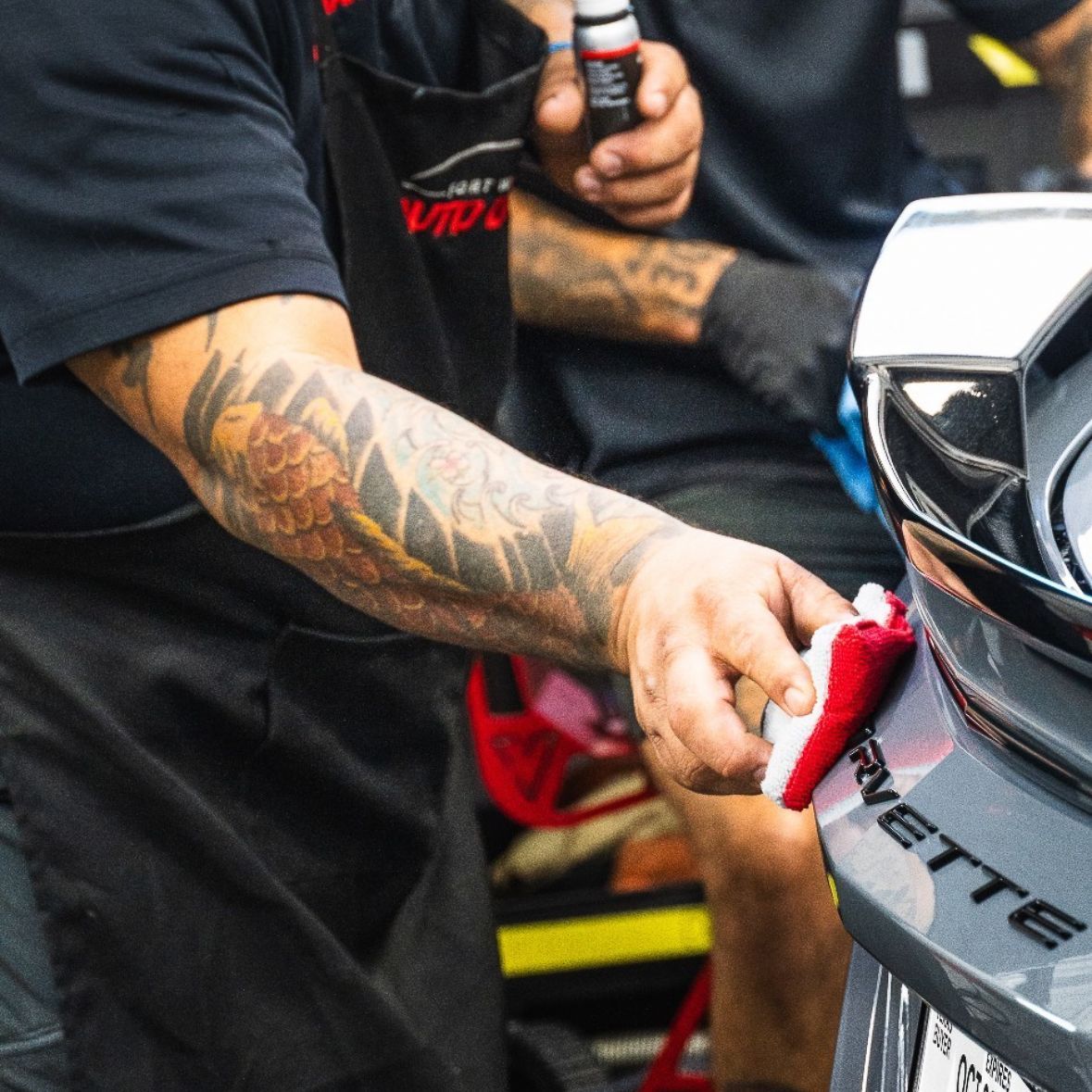
Start with thorough washing using pH-neutral shampoo to avoid introducing unwanted chemicals. Follow with clay bar or clay mitt treatment for mechanical removal of bonded contaminants. Remember to lubricate well during this process. Lightly polish using finishing polish, especially when imperfections affect gloss or smoothness. Apply panel prep spray liberally after polishing to remove residual oils. Allow adequate drying time, typically 20 minutes for complete evaporation, before applying the ceramic coating. Work panel by panel in warm or humid conditions to prevent issues during curing. Taking these careful yet simple steps translates into stronger coating adherence, longer-lasting protection, and an all-around cleaner finish that resists contaminants far more effectively than shortcuts ever could. Proper preparation beats perfect product. It's an old maxim but remains true: no matter how advanced your ceramic coating chemistry is, neglecting surface prep severely undermines its potential.
Techniques for Effective Cleaning
Cleaning your vehicle's surface properly isn't just about making it look shiny; it's a process that sets the stage for your ceramic coating to bond and last. The very first step is the initial wash, which must be done with a pH-neutral soap. This choice isn't arbitrary; it helps remove surface dirt gently without stripping existing wax layers or damaging the delicate paint underneath. Think of it like giving your skin a gentle cleanse rather than harsh scrubbing; it preserves what's valuable while taking away grime.
Once the surface looks cleaner, you might be tempted to jump straight into polishing or coating, but here is where chemical decontamination enters as an often overlooked yet vital part of the routine. This involves applying a specialized iron fallout remover spray that works on microscopic ferrous particles stuck deep in your paint. Simply washing won't budge these invisible contaminants. Left untreated, they compromise your coating's adhesion and can cause rust spots underneath layers of protection. Chemical decontamination typically needs a dwell time of about 3 to 5 minutes to effectively break down these particles, gently purifying the paint without harming it.
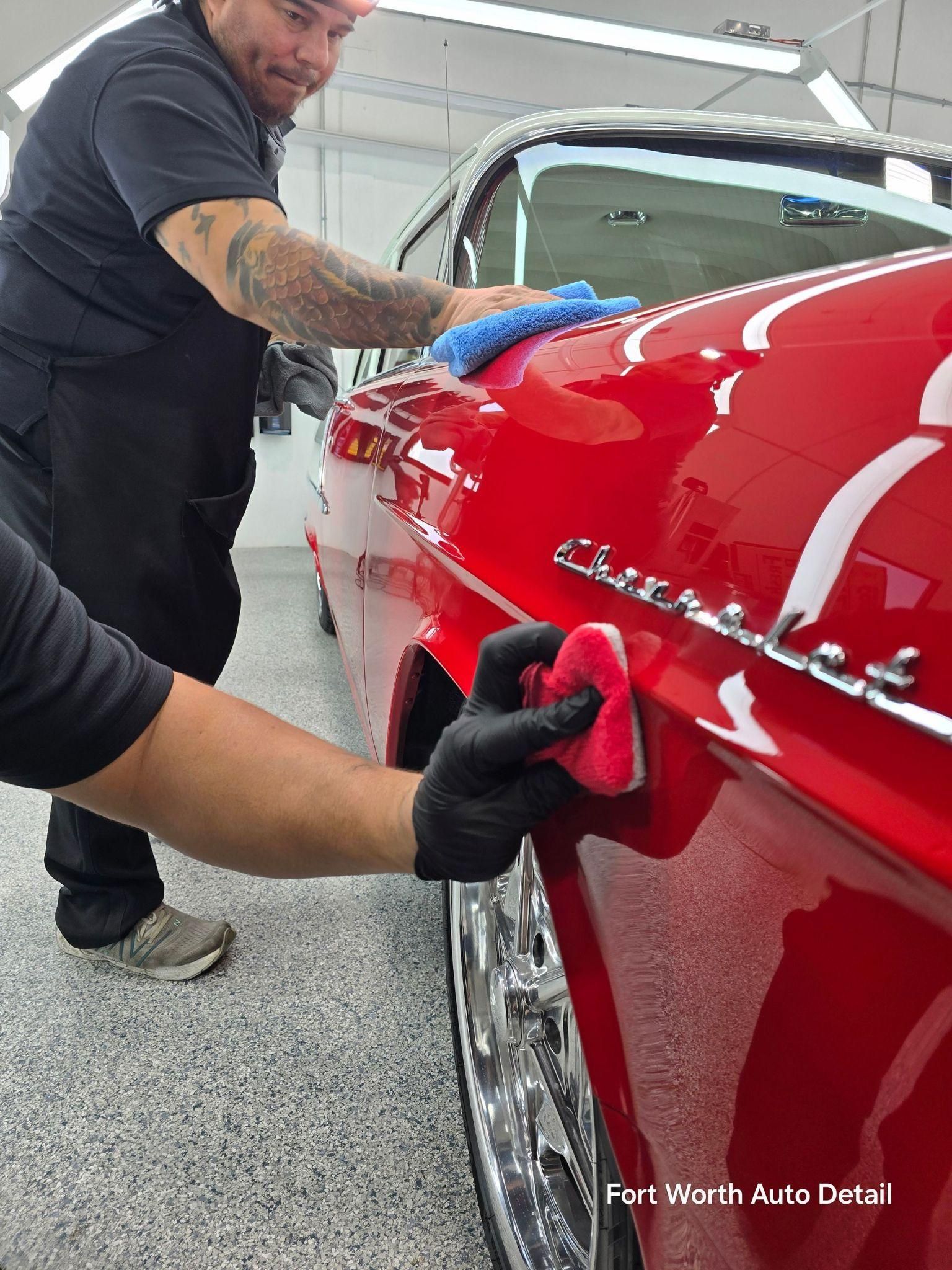
After dissolving those stubborn embedded particles, the next phase uses physical contact to free your paint from bonded impurities lingering on the surface. This brings us to claying, the hallmark of professional-grade cleaning. Whether using a clay bar or mitt, claying removes contaminants like industrial fallout, tree sap residues, and tar that grip tight onto the clear coat. The secret here is lubrication: before touching the clay directly to paint, you spray a generous amount of clay lubricant to create a smooth glide and prevent damage. When done correctly, claying leaves your paint so smooth that it feels almost silky under your fingertips, a sign that every hidden particle has been neutralized, priming the surface perfectly for polishing or coating.
Ensuring Flawless Application
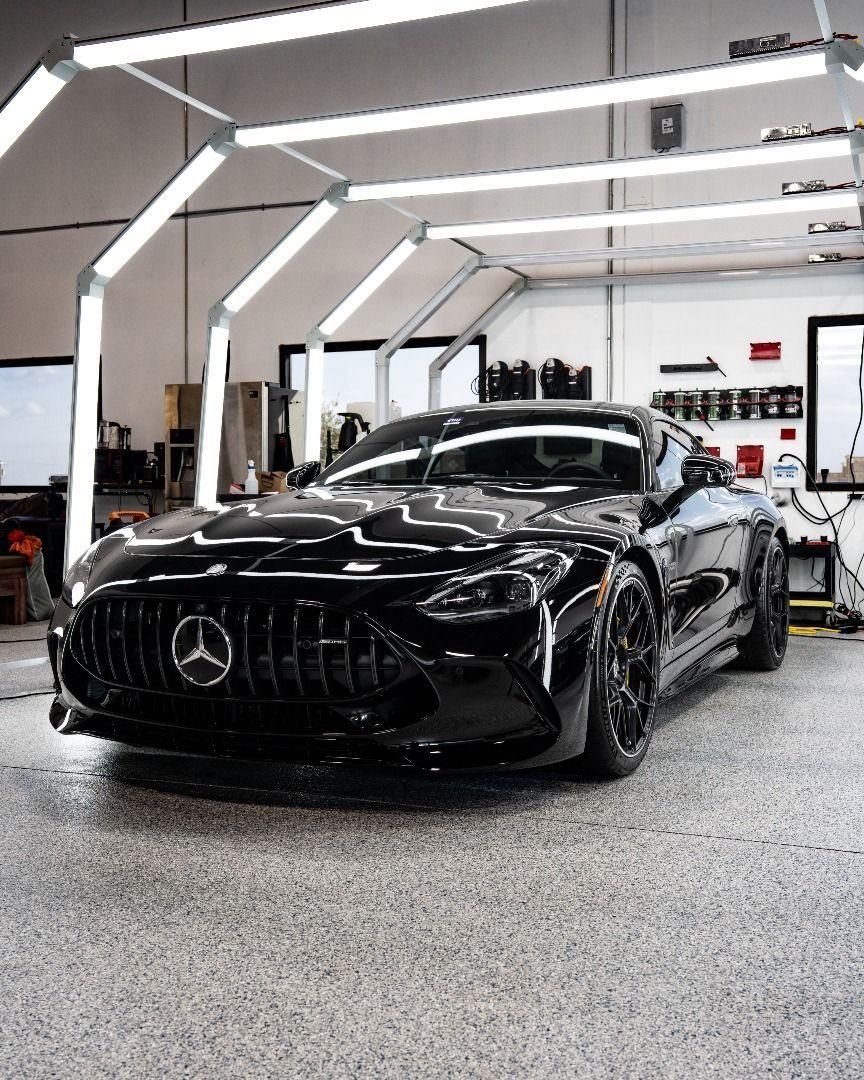
Getting the ceramic coating to lay down perfectly requires a level of focus and precision that can't be rushed or overlooked. The environment where you apply the coating plays an important role in this process. Applying ceramic coatings in a controlled, dust-free environment such as a clean garage is essential to prevent contaminants from embedding under or within the coating layer. This controlled environment doesn't just protect against dust; it ensures you can maintain consistent temperature and humidity levels, both of which influence how well the coating cures.
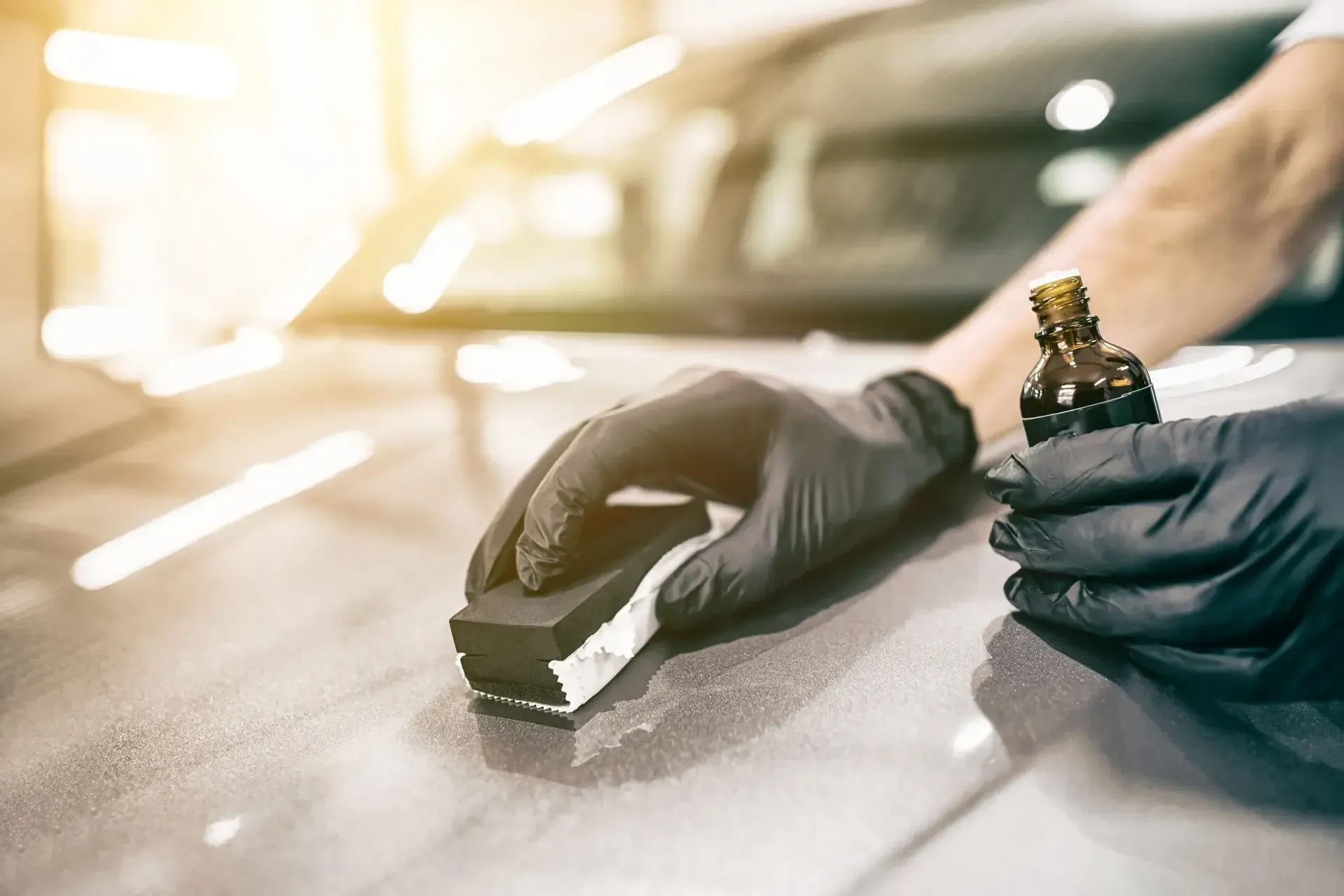
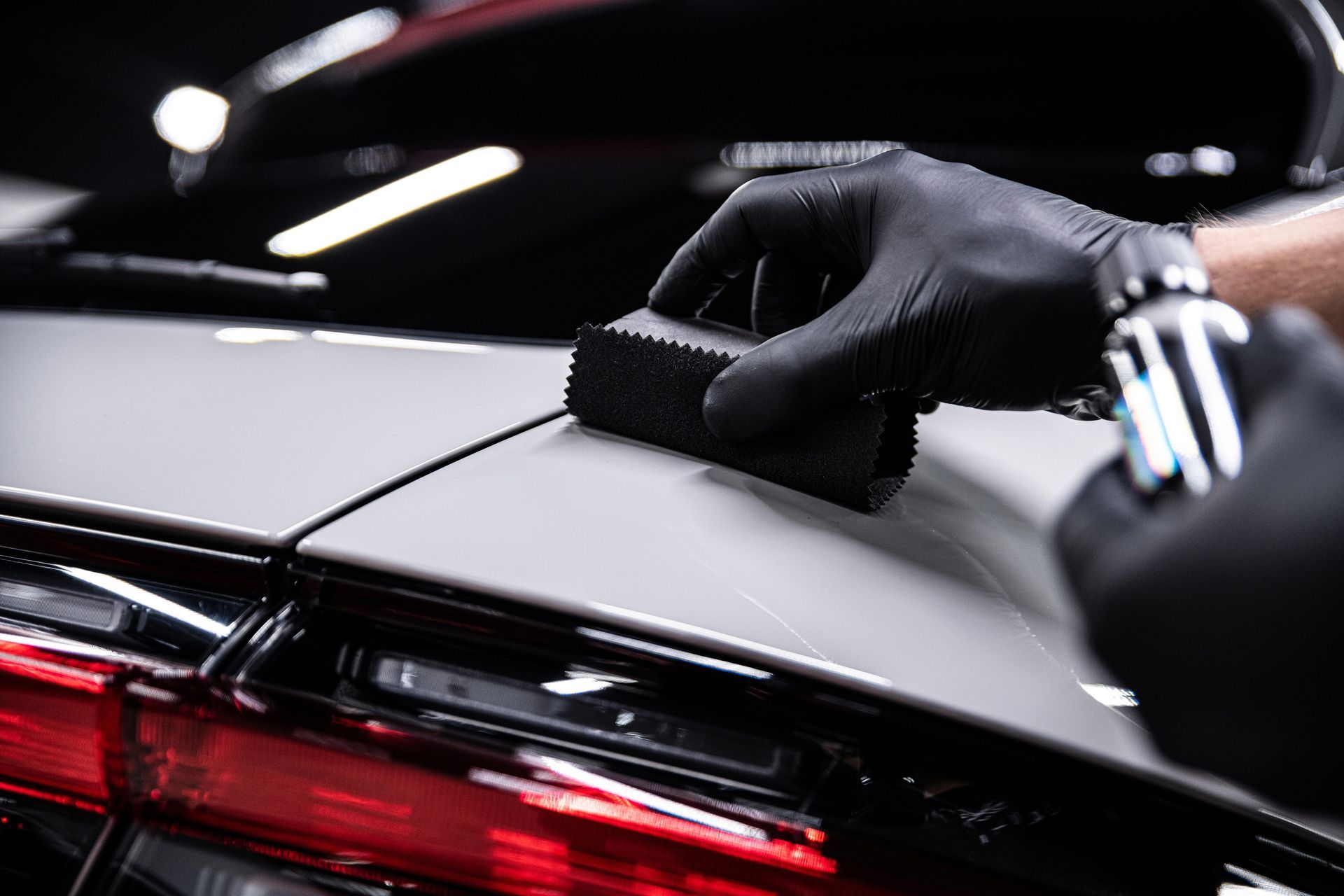
When it comes to the actual application technique, consistency is key. The goal is to create an even, uniform film that bonds securely with the prepared surface underneath. Achieving this means applying the ceramic coating using smooth, deliberate strokes, overlapping each pass slightly to avoid gaps or thick spots. Applying too much product in one spot not only wastes material but can also create pooling areas where the coating won't harden properly. Conversely, skimping on coverage risks leaving bare patches exposed to deterioration. After the last stroke, patience becomes your ally. Ceramic coatings don't instantly set; they require adequate curing time to achieve their full hardness and bond strength. Rushing this phase by exposing the surface too early to water or harsh elements compromises adhesion and reduces lifespan drastically. To support proper curing, keep the coated area inside your controlled environment without disturbance until completion. Avoid washing, rain exposure, direct sunlight, or touching the surface for at least 12 to 24 hours after application.
Long-Term Benefits of Proper Prep
When a ceramic coating is applied to a correctly prepared surface, the results go beyond initial shine and smoothness; they last dramatically longer. Proper surface prep ensures that the coating forms a strong chemical bond with the paint, rather than simply sitting on top of dirt or residues that naturally accumulate on unprepared panels. This difference in adhesion can extend the life of a ceramic coating significantly, meaning less frequent reapplications, sparing you time, money, and effort in ongoing maintenance. With this strength, the coating also better protects against environmental threats like UV rays, acid rain, and tough stains from things like bird droppings or tree sap. Such durability translates into practical benefits visible daily. Cars retain their showroom-quality finish for years longer, fending off fading and dullness. Water no longer beads but glides effortlessly across the treated surfaces, reducing staining and spotting. This hydrophobic effect is not just cosmetic; it acts as a shield preventing corrosive elements from embedding into the clear coat.
A noteworthy benefit often overlooked is the decrease in maintenance frequency after proper prep and coating. Vehicles with professionally prepped and coated surfaces require fewer washes and sealant applications annually. The surface's resilience reduces dirt buildup, so washing becomes less frequent and less stressful. To maximize these long-term rewards, focus on these key practices: thorough cleaning using clay bars or mitts to lift embedded particles; light polishing even for relatively clean vehicles to ensure proper surface texture; and use of dedicated panel prep sprays containing alcohol solvents after polishing to remove oily residues invisible to the eye but harmful to adhesion. Allow adequate drying times before applying ceramic coatings to prevent trapping moisture or residues beneath the film. In essence, dedicating extra time upfront creates an invisible fortress on your vehicle's paint, one that fights off deterioration quietly but effectively.
While impatience might tempt many to rush straight into coating application, patience pays dividends in longevity and visual appeal. So when considering ceramic coating for your vehicle or project, remember: meticulous preparation isn't optional; it's decisive. The superior durability, chemical resistance, and ease of upkeep you gain will justify every minute spent on cleaning, polishing, and prepping with care. Proper surface preparation transforms ceramic coating from a temporary enhancement into a lasting defense. Investing effort in prep maximizes protection, appearance, and value over years, making it an indispensable step for anyone serious about preserving their vehicle's finish.
Trusted Ceramic Coating Services in Aledo, TX
Fort Worth Auto Detail delivers
premium ceramic coating services designed to protect your vehicle from the harsh Texas sun, road grime, and everyday exposure while enhancing gloss and simplifying maintenance. Serving drivers in Aledo, our experienced team applies ceramic coatings with precision and care to help preserve your vehicle’s appearance and long-term value. If you want durable protection paired with professional results you can see and feel,
schedule your ceramic coating service today and keep your vehicle looking its best mile after mile!