Paint Protection Film for Vehicles with Complex Body Lines: Ultimate Guide to Installation and Benefits
When it comes to protecting your car's paint, things get tricky if your vehicle has many curves and sharp lines. You might worry that most protective films won't stick right or will look messy on these complex shapes. But paint protection film (PPF) is made to handle exactly that challenge. It wraps around tricky edges and keeps your paint safe without ruining your car's style. In this guide, we'll break down what makes PPF work so well on detailed bodywork and how you can get the best results from installation to upkeep.
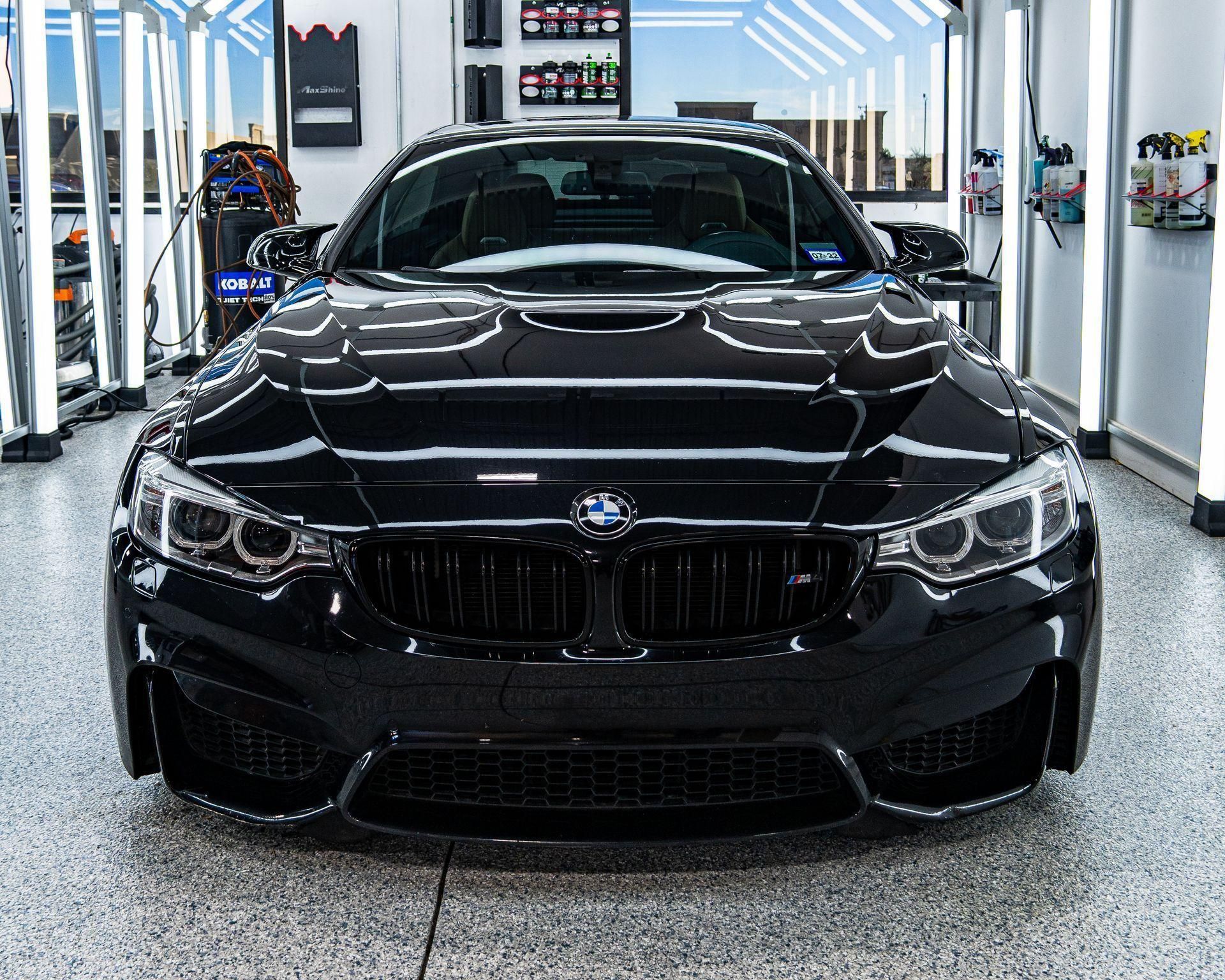
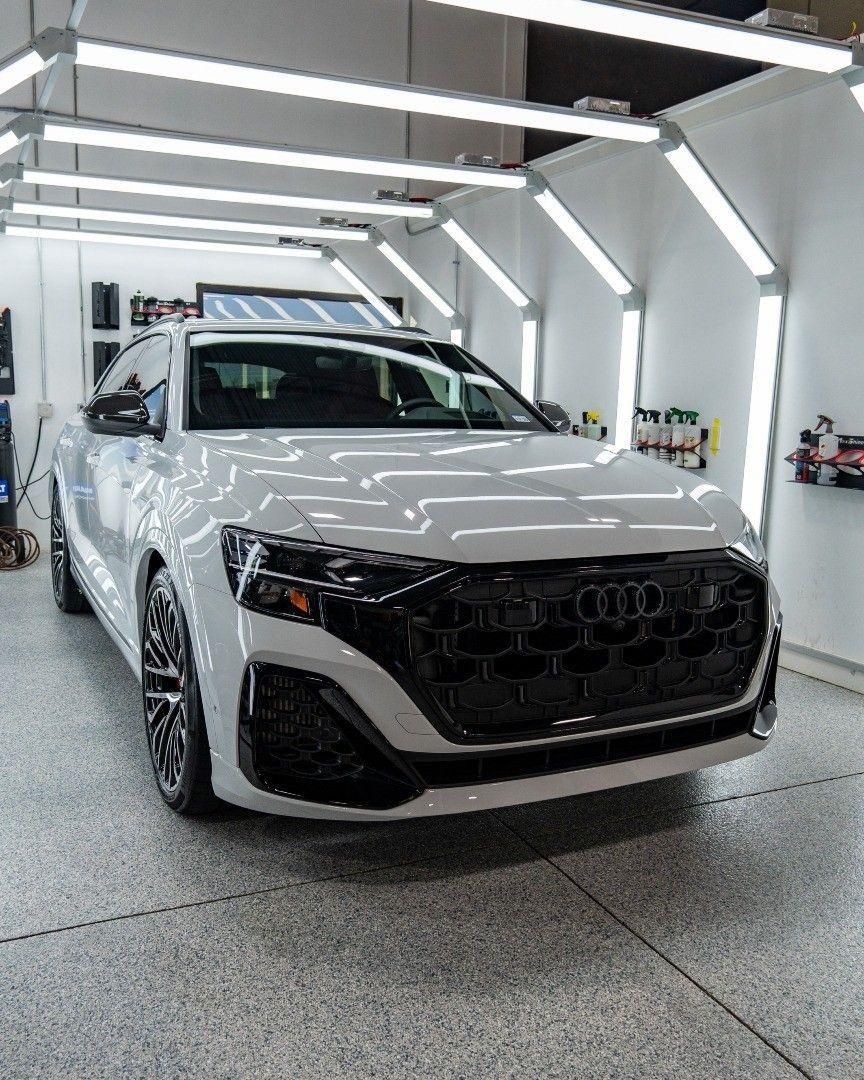
Paint protection film is specifically designed to conform to vehicles with complex body lines, thanks to its flexibility and advanced adhesive technology. Professional paint protection film installers use heat and precision techniques to ensure the film adheres smoothly to curves and contours without compromising durability or appearance.
Choosing the Right Paint Protection Film
Thickness is a crucial consideration because it directly influences the level of protection your vehicle's paint receives. A film that's too thin may fail to absorb impacts from road debris or resist minor scratches, while excessively thick films can be difficult to install on tight curves and edges. Typically, a thickness between 6 and 8 mils strikes a balance. This range is robust enough to defend against stone chips and abrasions but still manageable for installers working around intricate bodywork. Thinner films serve well on flatter surfaces, whereas thicker options tend to deliver superior resistance for high-impact zones such as hoods and bumpers. Yet thickness alone doesn't guarantee a seamless fit or long-lasting adherence, especially on vehicles boasting sharp creases and flowing lines. This is where flexibility steps in. Flexibility determines how well the film can mold itself over complex shapes without creating bubbles or wrinkles that can compromise both appearance and protection. The flexible nature of quality films allows them to stretch and conform flawlessly around door handles, fenders, and mirror edges.
Beyond these physical factors, other attributes merit attention when choosing a paint protection film. Consider optical clarity first. After all, the whole point is to preserve your car's original look without altering color or gloss. High-quality films maintain transparency over years, resisting yellowing or hazing that cheaper materials often suffer. Also evaluate self-healing capabilities. Many modern films incorporate polymers that react to heat by smoothing out minor scratches, extending their aesthetic lifespan with minimal upkeep. Installation support is another key aspect. Some manufacturers provide custom-cut kits tailored precisely to specific vehicle models, simplifying the application process significantly. This is especially beneficial for tackling tight corners or deep recesses in bodywork.
Lastly, warranty coverage speaks volumes about manufacturer confidence in product longevity. Reputable providers typically back their films with guarantees ranging from seven to ten years against yellowing, cracking, or peeling. All of these are valuable protections when investing in paint preservation. By weighing thickness against flexibility alongside optical clarity, self-healing performance, installation aids, and warranty commitments, you position yourself to select paint protection film perfectly suited for vehicles with complex body lines. This ensures superior safeguarding matched with sleek aesthetics.
Installation Tools and Materials
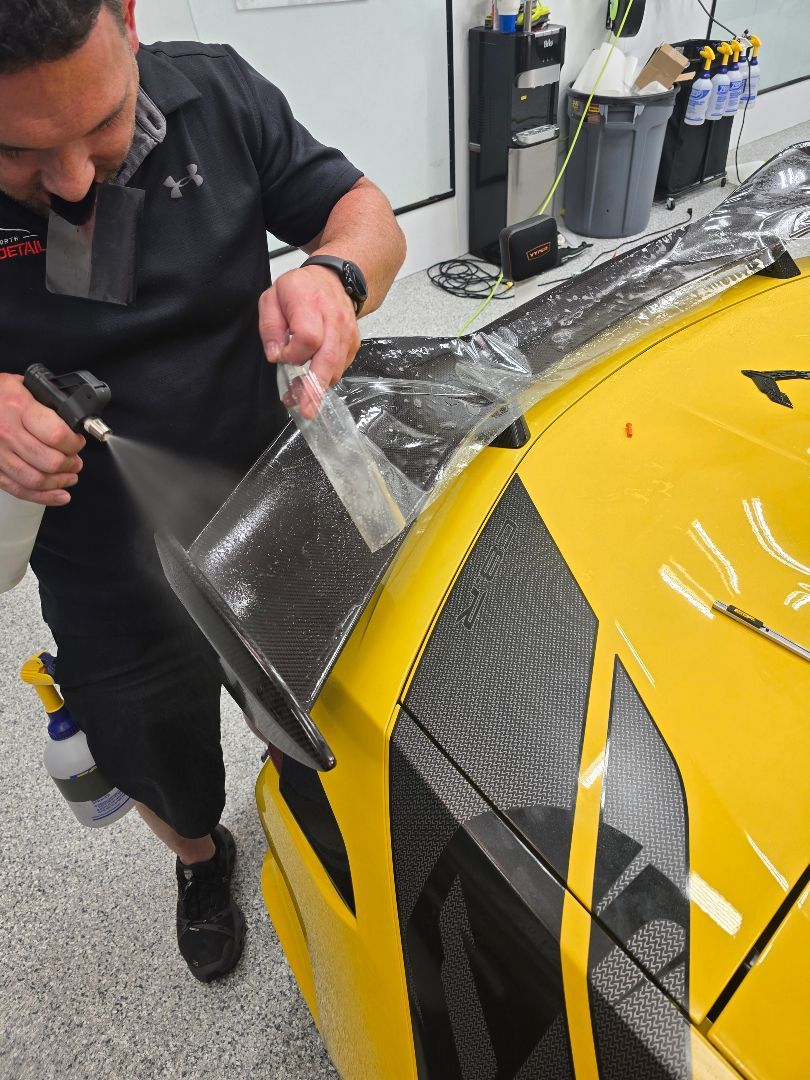
Installing paint protection film on vehicles with complex body lines is a task that demands precision, and using the proper tools makes all the difference. At its core, the process revolves around careful handling and accurate placement of the film to conform perfectly to every contour and curve. The squeegee is perhaps the most frequently used tool during installation. Its primary job is to smooth out bubbles trapped beneath the film. In practice, the procedure involves a delicate touch. Applying too much pressure or moving too fast can stretch or tear the film, especially on unpredictable curves. Installers often prefer squeegees made with soft rubber edges to avoid scratching or damaging the surface. Slip solution acts as a lubricant between the adhesive side of the film and the paintwork. Without it, positioning the film precisely before it sticks would be nearly impossible. This solution lets you shift and adjust the film effortlessly to align it perfectly with body lines, which is especially essential when dealing with tight corners or overlapping edges.
Once you're satisfied with placement, the tack solution enters to turn that ease of adjustment into firm adhesion. By lightly misting this solution onto targeted areas, you activate grip where needed without sacrificing flexibility during final adjustments. Installing on complex body shapes often means balancing these two solutions carefully. Too much slip and the film won't stick; too much tack and you risk wrinkles or folds. Heat guns are vital for reshaping paint protection films on complex surfaces. Controlled heat softens the film's material enough to stretch it over convex curves or recesses without tearing. Applying heat strategically allows molding that rigid sheet into a second skin over your car's architectural beauty. Yet, wielding this tool requires skill because excessive heat can cause bubbling or distortion. Finally, the precision cutting blade is your instrument for detail work. A sharp blade designed for razor-edge accuracy helps carve along trim lines, door edges, and panel joints without nicking paint or leaving ragged edges. Maintaining blade sharpness ensures seamless cuts, while dull blades lead to jagged borders, undermining both aesthetics and durability.
Detailed Installation Steps
The first and perhaps most overlooked step is preparation. Washing your car thoroughly before applying paint protection film clears away dirt, dust, oils, and other contaminants that would prevent the film from adhering properly. Even minute particles can create bubbles or cause the edges of the film to lift over time, compromising both appearance and protection. Once your surface is impeccably clean, apply slip solution, typically a mixture of water and a small amount of baby shampoo. Spraying this solution onto the area allows you to slide the PPF around effortlessly during placement without early sticking. This gentle lubrication reduces frustration and prevents premature adhesion spots that can trap air bubbles beneath the film.
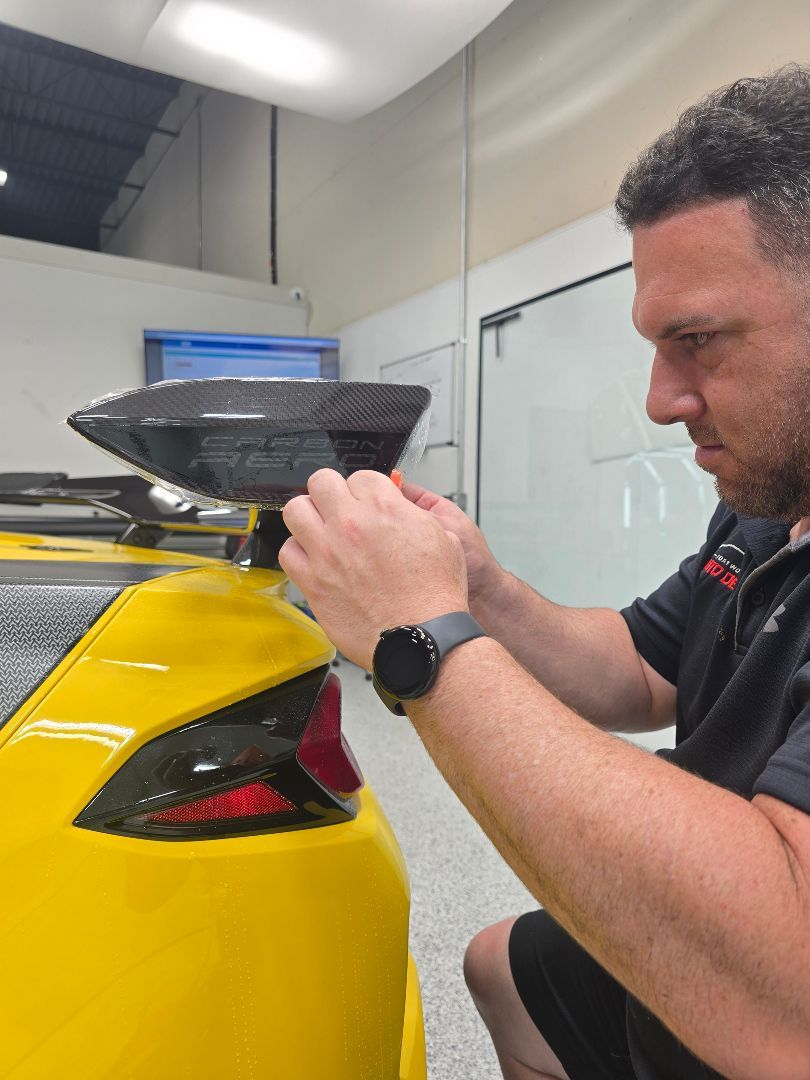
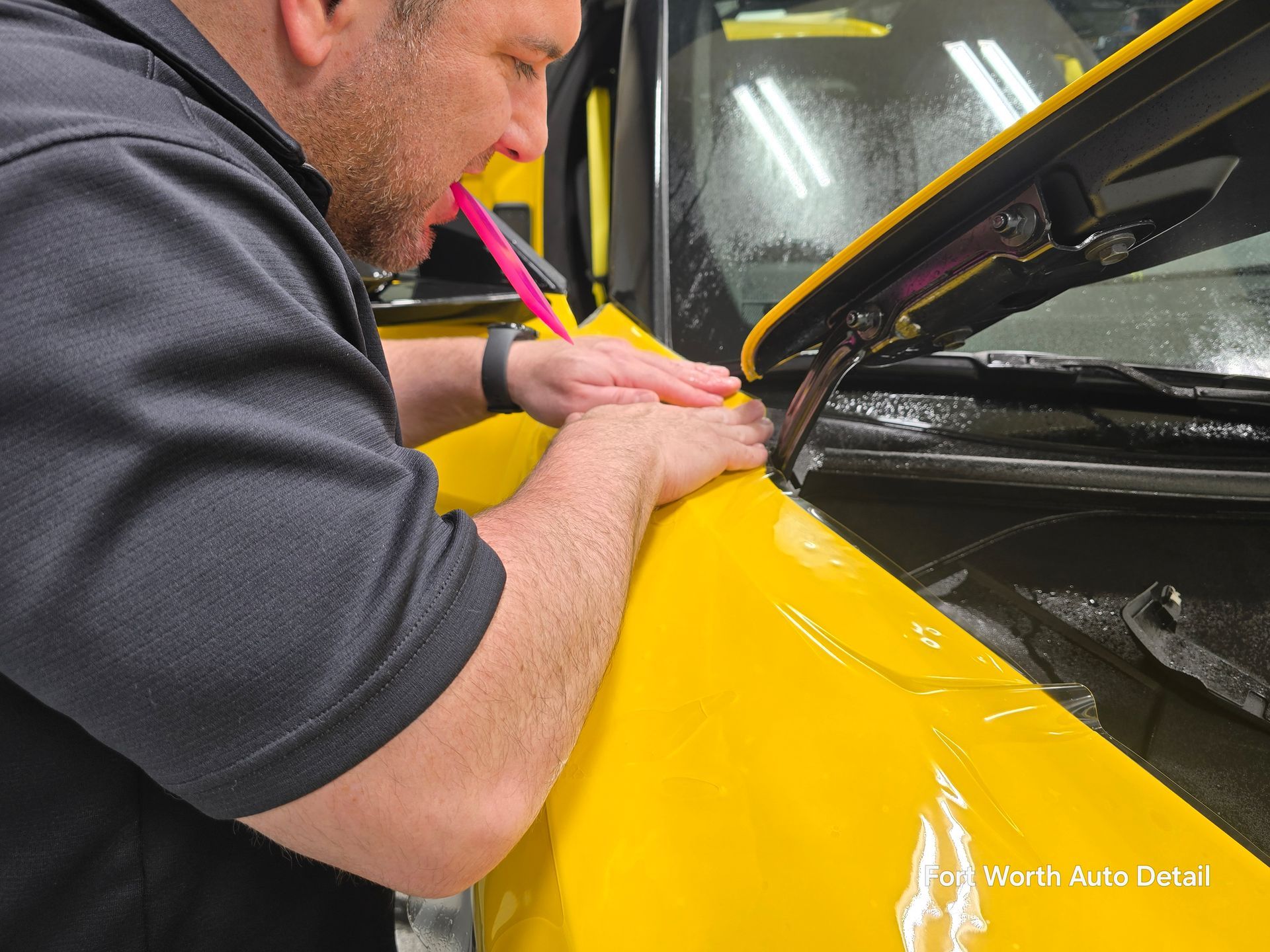
Placing the PPF involves carefully draping it over the vehicle's panel while it's still wet from the slip solution. At this stage, you have full freedom to shift and align the film to match contour lines perfectly. Moving slowly ensures no edge misalignment or unintended folds occur. A well-positioned film looks seamless and provides long-lasting protection because there are no stress points created by poor fitting. Using a squeegee designed for automotive films, begin pushing from the center of the panel outward toward the edges. This technique methodically forces air and moisture out from under the film, crucial for avoiding imperfections that mar both appearance and performance.
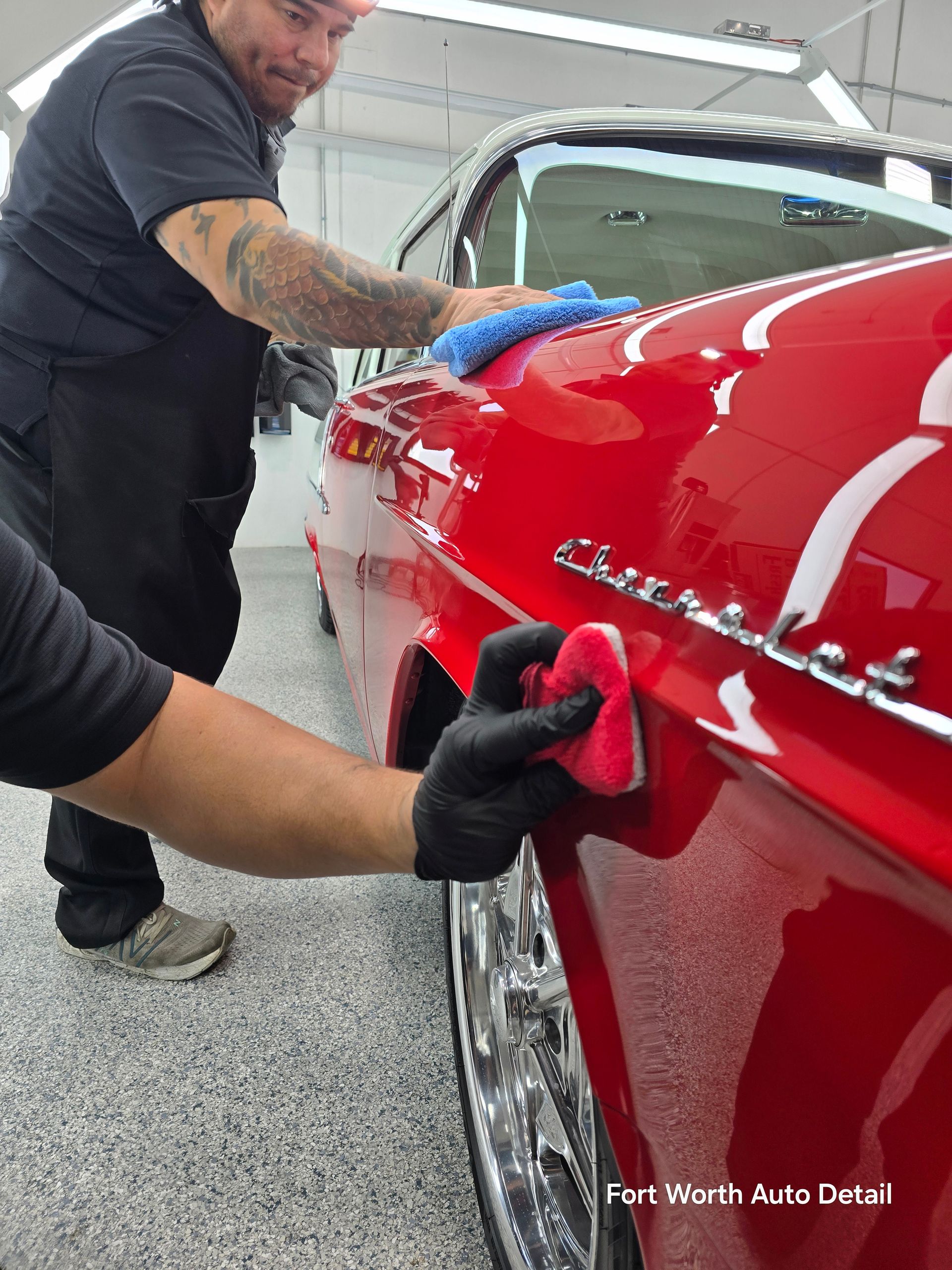
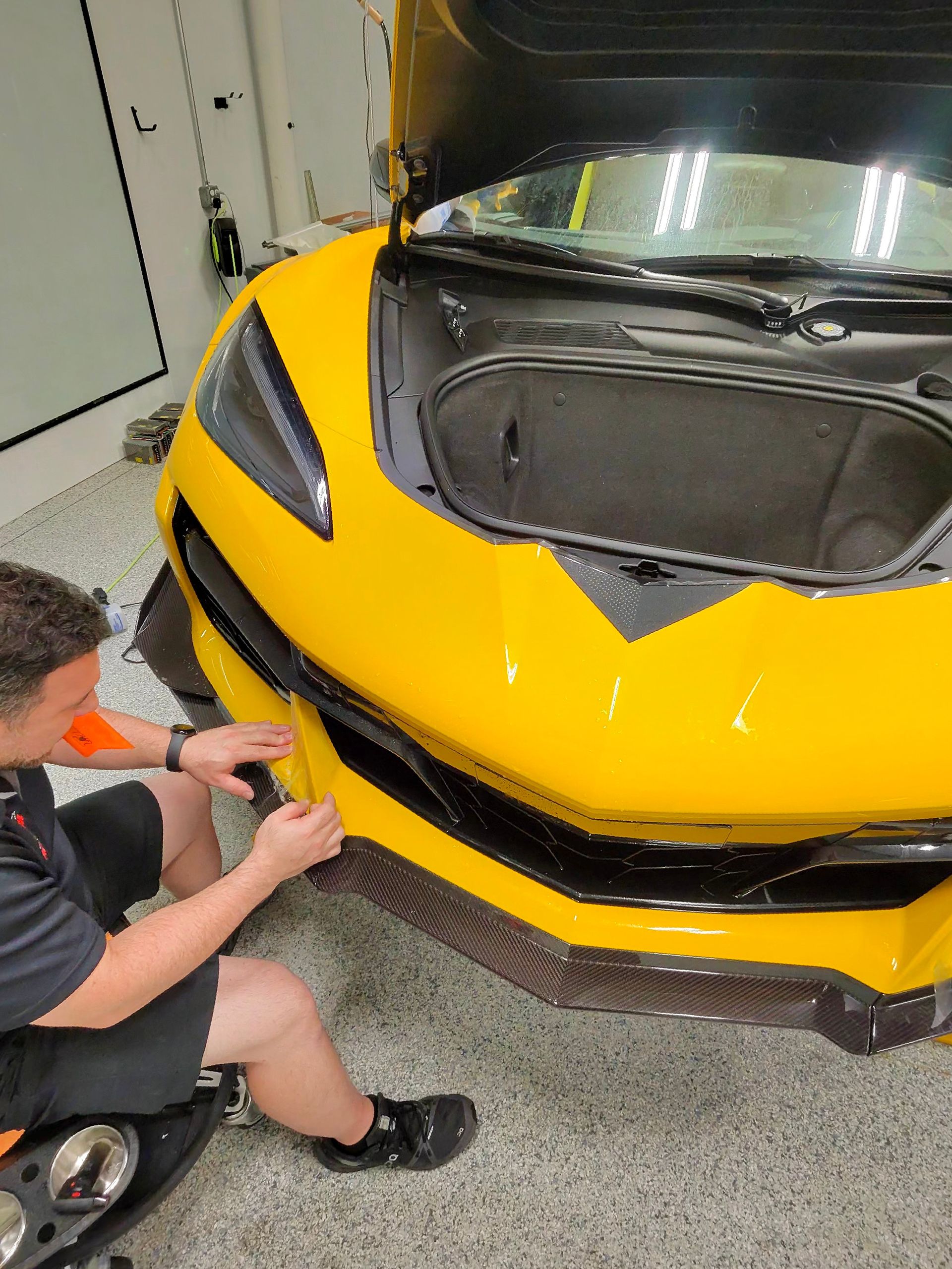
Employing steady pressure helps avoid stretching or distorting delicate areas of the film. Complex body lines demand an additional step. A heat gun becomes indispensable here. Gently warming sections of the PPF softens its material, making it easier to stretch and mold snugly over curves, ridges, or recesses without wrinkling or tearing. However, care is paramount. Use moderate heat with deliberate movement across surfaces rather than focusing too long on one spot. After conforming your PPF perfectly comes one final precision task: trimming excess material for clean edges. Armed with a sharp cutting blade, carefully trim along panel boundaries. This step requires steady hands and keen focus since an uneven cut can diminish aesthetics or leave vulnerable edges prone to peeling. Always trim using multiple light passes rather than attempting a single deep cut for better control.
Maintaining Your Paint Protection Film
Maintenance of your paint protection film is essential for preserving its protective qualities and extending the lifespan of your vehicle's finish. The cornerstone of this upkeep starts with regular cleaning. Avoid harsh chemicals or abrasive cleaning tools like stiff brushes or rough sponges that can scratch or degrade the film's surface. Instead, opt for a gentle approach using a soft microfiber cloth paired with a mild detergent diluted in clean water. Cleaning every two weeks or at least once a month discourages dirt buildup, which can otherwise grind into the film, causing tiny imperfections.
Beyond cleaning, regular inspection is vital because small issues left unchecked can quickly escalate. Pay close attention to edges and corners of the film where peeling or lifting may begin. Debris and weather conditions often expose these areas to more wear and tear. Catching these issues early means you can arrange minor spot repairs instead of risking full panel replacements. Another layer of protection comes from applying a sealant designed specifically for paint protection films every six months. This helps maintain their hydrophobic characteristics, meaning water beads up and slides off easily rather than settling and leaving spots. These sealants also boost UV resistance, reducing yellowing or discoloration over time. When selecting a sealant, ensure it's compatible with PPF.
Building maintenance into your vehicle care routine doesn't take much time but pays dividends in maintaining pristine vehicle aesthetics and avoiding costly repairs down the line. The synergy between thoughtful cleaning, vigilant inspection, and periodic sealant application will keep your paint protection film performing beautifully, especially on vehicles with complex body lines where precision matters most. Paint protection film offers superior defense for vehicles with intricate bodywork when installed and maintained correctly. By selecting the right film thickness and flexibility, using proper tools and techniques, and committing to regular care, you ensure your vehicle's finish remains flawless for years to come. Whether you choose professional installation or tackle it yourself, understanding these fundamentals empowers you to make informed decisions that protect your investment and preserve your car's beauty.
Protect Every Curve with PPF in Benbrook, TX
When your vehicle’s sharp creases, flowing curves, and detailed body lines deserve expert care, Fort Worth Auto Detail delivers
professional paint protection film services in Benbrook, TX designed for flawless results. Our experienced team applies premium PPF with precision techniques that ensure smooth adhesion, clean edges, and long-lasting defense against everyday road hazards without compromising your vehicle’s original finish. Whether you drive a performance car, luxury SUV, or custom build, we tailor every installation to match the exact contours of your vehicle for seamless coverage and lasting confidence.
Contact Fort Worth Auto Detail today to schedule your paint protection film consultation in Benbrook, TX and protect your investment with craftsmanship you can trust!