The Importance of Surface Decontamination Before PPF Installation
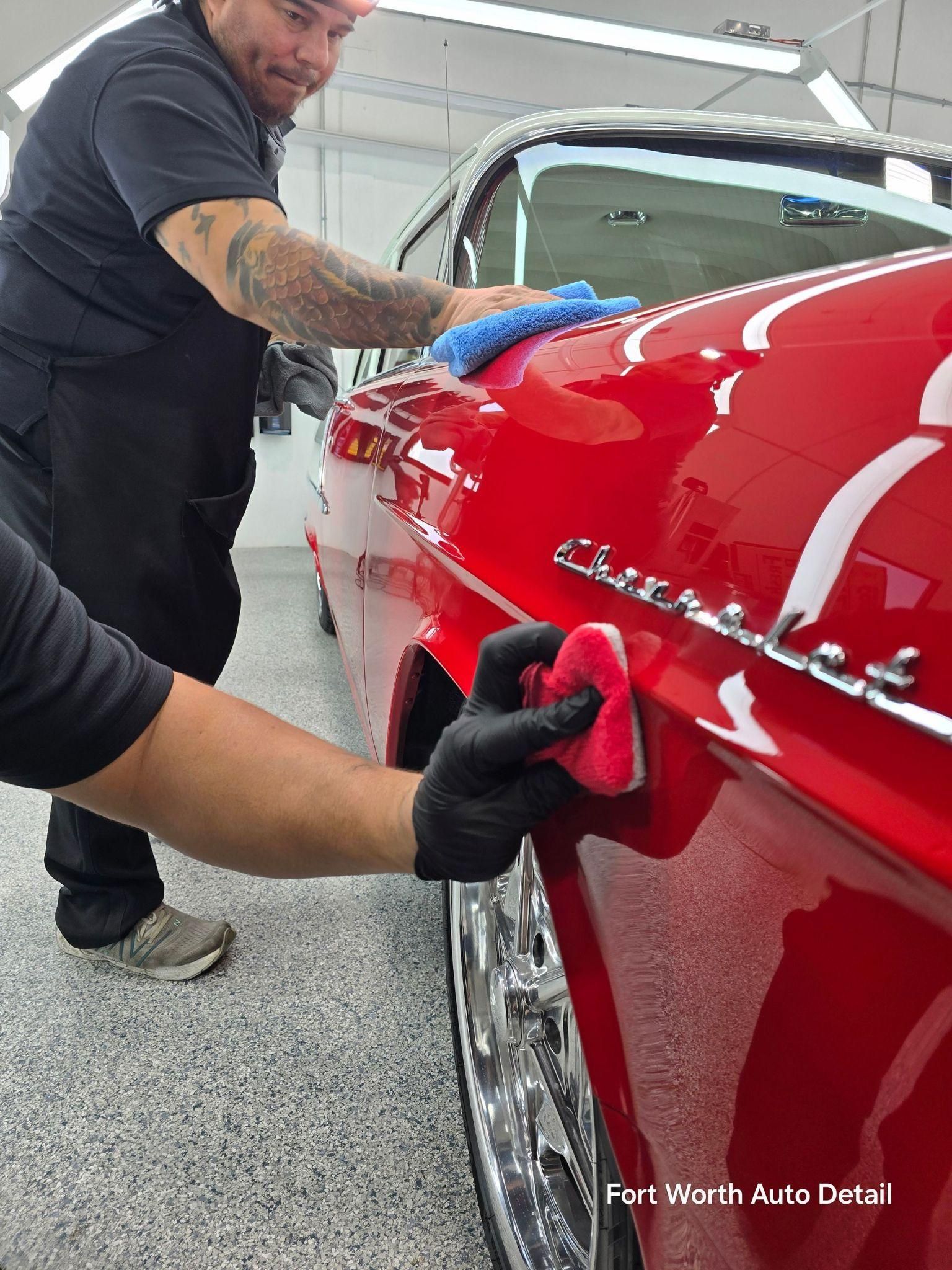
When vehicle owners invest in premium paint protection, the quality of the final result depends on far more than the film itself. One of the most overlooked but essential parts of the process happens before installation even begins. Surface decontamination plays a major role in ensuring that paint protection film bonds properly, looks flawless, and performs as intended for years to come. At Fort Worth Auto Detail, preparation is treated as a critical step rather than a minor detail, especially for drivers seeking high-quality paint protection film Benbrook services. Many contaminants are not visible at first glance, even on vehicles that appear clean. Road grime, industrial fallout, iron particles, and environmental residue can become embedded in the paint over time. If these contaminants remain on the surface during installation, they can affect adhesion, create visual imperfections, and compromise long-term durability. Proper decontamination creates the clean foundation needed for precise film application and lasting protection.
Why Surface Decontamination Matters Before PPF Installation
Paint protection film installation is a precision-driven service, and precision begins with a clean surface. Even the highest-quality film cannot perform as designed if applied over contamination. Surface decontamination removes bonded particles that traditional washing often leaves behind, ensuring the paint is properly prepared before installation starts. This step directly impacts the performance and appearance of the finished result. For professionals offering paint protection film Benbrook services, decontamination is not simply about cleaning the vehicle. It is about preparing the paint to receive the film under ideal conditions. Embedded contaminants can create an uneven surface that interferes with how the film lays, making flawless installation much more difficult. By addressing these issues early, installers create a foundation that supports durability, clarity, and long-term protection.
Hidden Contaminants Can Affect Film Performance
Many contaminants bond to a vehicle’s paint in ways that standard washing cannot remove. Brake dust often leaves iron deposits embedded in painted surfaces, while road grime and environmental fallout can settle into the clear coat. Tree sap, bug residue, and mineral buildup can also remain after routine washing, even when the paint appears visually clean. These hidden contaminants may seem minor, but during film installation, they can create serious issues. Trapped particles can interfere with bonding and create imperfections under the film. Because paint protection film is designed to enhance and preserve a vehicle’s finish, anything beneath it can become magnified. Professional decontamination ensures these hidden problems are addressed before they impact the final installation.
How Contamination Impacts PPF Adhesion
Proper adhesion is one of the most important elements of a successful PPF installation. When contaminants remain on the paint, they create barriers between the film and the surface. This can prevent the adhesive from forming a secure bond, increasing the risk of lifting, bubbling, or edge failure over time. For long-term performance, adhesion cannot be compromised. A professionally decontaminated surface allows the film to sit properly against the paint and conform with precision. This is especially important for drivers investing in paint protection film Benbrook services who want lasting results rather than short-term appearance improvements. Strong adhesion starts with a properly prepared surface.
How Surface Contaminants Affect Final Appearance
Paint protection film is designed to preserve and enhance a vehicle’s finish, but the quality of that finish depends heavily on what lies underneath. If contaminants remain trapped beneath the film, they can create texture irregularities, reduce clarity, and affect the overall appearance. What may have been nearly invisible before installation can become much more noticeable after the film is applied. This is why preparation matters just as much for appearance as it does for performance. At Fort Worth Auto Detail, surface decontamination supports not only protection but also the visual precision customers expect from premium PPF installation. A clean paint surface allows the film to appear smooth, seamless, and nearly invisible.
Paint Imperfections Become Trapped Under the Film
Any bonded contamination left behind before installation can become sealed under the film. Once trapped, those imperfections are not simply hidden; they may become more obvious because the film can highlight inconsistencies in the surface. Small particles can create raised spots or subtle texture issues that affect the overall finish. Because PPF is meant to deliver a refined appearance along with protection, these imperfections can detract from the intended result. Proper decontamination helps ensure the paint beneath the film is as smooth and clean as possible before installation begins.
Why a Clean Surface Creates a Better Finish
A properly decontaminated surface allows paint protection film to lie evenly across the paint, improving both visual clarity and installation precision. Smooth surfaces allow the film to conform naturally around body lines, contours, and edges while reducing the likelihood of imperfections. For those seeking premium paint protection film Benbrook services, the goal is not simply coverage but a high-end finish that looks nearly invisible. That level of quality starts with meticulous preparation. Clean paint supports better gloss, improved transparency, and a finished look that enhances the vehicle rather than altering its appearance.

Professional Surface Decontamination Process Before Installation
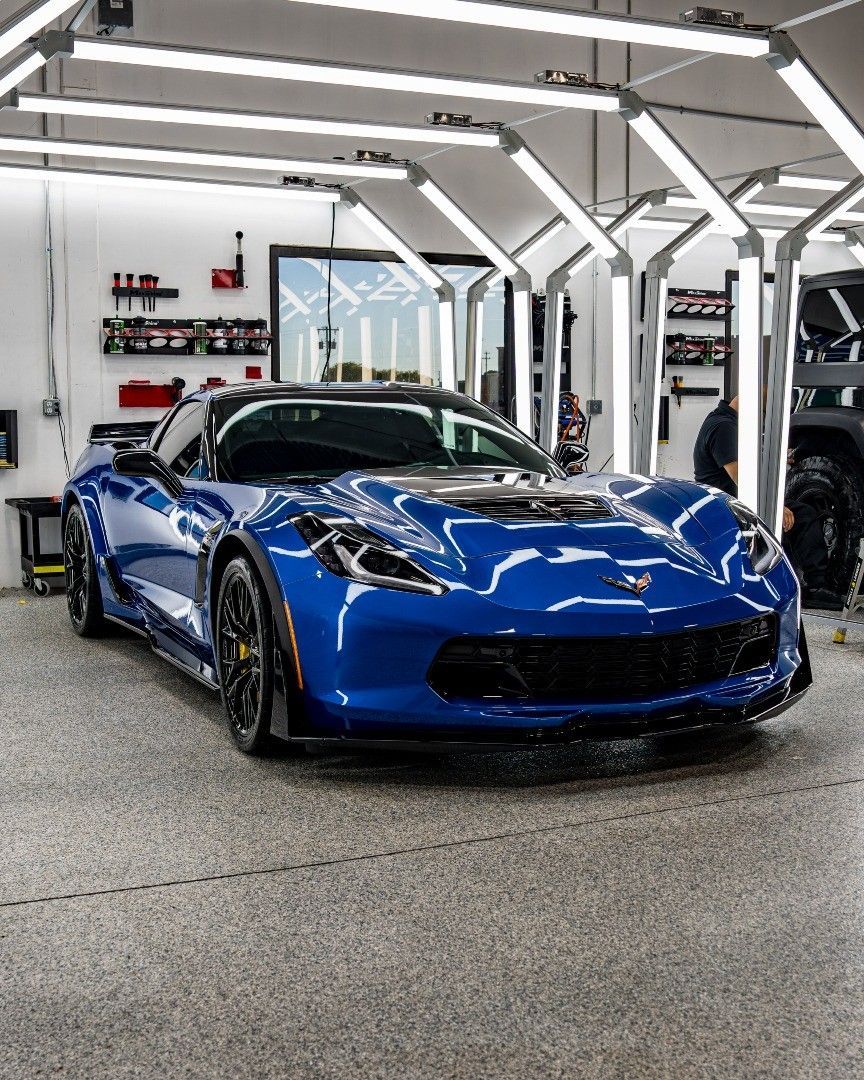
Surface preparation involves much more than washing a vehicle. Professional decontamination is a multi-step process designed to remove both visible debris and embedded contamination. Each stage helps refine the paint surface and prepare it for successful film application. At Fort Worth Auto Detail, this process is an important part of delivering high-quality protection. Rather than treating decontamination as separate from installation, it is approached as part of the installation itself. That attention to preparation contributes directly to better results.
Thorough Exterior Wash as the First Step
Every quality decontamination process begins with a comprehensive exterior wash. This removes loose dirt, traffic film, dust, and surface debris that could interfere with later stages of preparation. Proper washing also helps reveal bonded contamination that might otherwise go unnoticed. While washing alone is not enough for paint preparation before PPF, it creates the essential first step. It prepares the surface for more targeted treatments and helps ensure contamination is not dragged across the paint during further preparation stages.
Chemical Decontamination Treatments
After washing, chemical treatments are often used to remove contaminants that conventional cleaning cannot address. Iron removers help dissolve embedded brake dust and fallout, while specialized products target tar, adhesive residue, and other stubborn contaminants bonded to the paint. These treatments help restore a cleaner paint surface without aggressive methods. For paint protection film Benbrook installations, this stage is essential because it removes contamination that can directly affect adhesion and visual clarity. It prepares the surface at a deeper level than washing alone can achieve.
Mechanical Decontamination for a Smooth Surface
Mechanical decontamination often follows chemical treatment to remove remaining bonded particles and refine the paint surface. This process helps achieve the smooth finish required for precision film installation and removes contaminants that may remain embedded after chemical cleaning. A properly refined surface supports cleaner application and improved bonding. For professional installers, this step is part of creating the ideal foundation for long-term PPF performance rather than simply preparing the vehicle cosmetically.
Paint Correction and Surface Inspection Before PPF
Decontamination often reveals imperfections that may need attention before film application. Light swirl marks, minor defects, and paint inconsistencies can become more noticeable once protected under film, which is why surface correction can be an important part of preparation. At Fort Worth Auto Detail, this stage supports the goal of delivering both protection and finish quality. Preparing the surface fully before installation ensures the film preserves a refined appearance rather than locking in avoidable flaws.
Why Surface Defects Should Be Addressed First
Minor paint defects may seem insignificant before installation, but paint protection film can preserve whatever lies beneath it. If swirls or imperfections remain, they may continue to affect the look of the vehicle long after the film is installed. Addressing these issues before installation helps maximize both appearance and value. For those investing in paint protection film Benbrook services, proper correction ensures the film protects an already refined surface rather than covering unresolved flaws.
Final Inspection Before Application
Before installation begins, a detailed inspection helps confirm that the paint is fully prepared. This final review ensures contaminants have been removed, surfaces are smooth, and the vehicle is ready for precise film placement. This stage reflects the attention to detail that separates quality installation from rushed application. Thorough inspection supports better results and helps ensure the film performs as intended from the moment it is installed.
How Proper Preparation Improves PPF Durability
Long-term durability depends on more than the film itself. Surface preparation plays a major role in how well the film holds up over time. Clean, properly prepared paint allows stronger adhesion and helps reduce the risk of issues that can shorten the lifespan of the installation. For vehicle owners choosing paint protection film Benbrook services, durability is a major reason for the investment. Proper decontamination supports that investment by helping the film perform reliably for years.
Stronger Adhesion for Long-Term Protection
When film bonds properly to clean paint, it is better able to resist lifting, peeling, and other installation-related failures. Strong adhesion supports both protective performance and long-term appearance, making preparation a key part of durability. Rather than viewing decontamination as separate from protection, professional installers understand it directly influences how well the protection lasts. Stronger bonding begins long before the film touches the paint.
Supporting Long-Term Performance
Durability is about consistent performance over time, not just initial installation quality. A properly prepared surface helps the film maintain its integrity and continue protecting the vehicle against road hazards and environmental exposure. This long-term perspective is part of what makes professional preparation valuable. At Fort Worth Auto Detail, surface decontamination supports protection that holds up, not just protection that looks good on day one.
Why Professional Decontamination Makes a Difference
While many vehicle owners focus on the film brand or coverage package, preparation often has just as much influence on results. Professional decontamination uses processes and products designed specifically to prepare paint for film application at a much higher level than routine cleaning. For drivers considering paint protection film Benbrook services, choosing an installer who prioritizes preparation can make a significant difference in both appearance and longevity. Professional prep helps ensure the investment delivers the results expected.

DIY Cleaning vs Professional Preparation
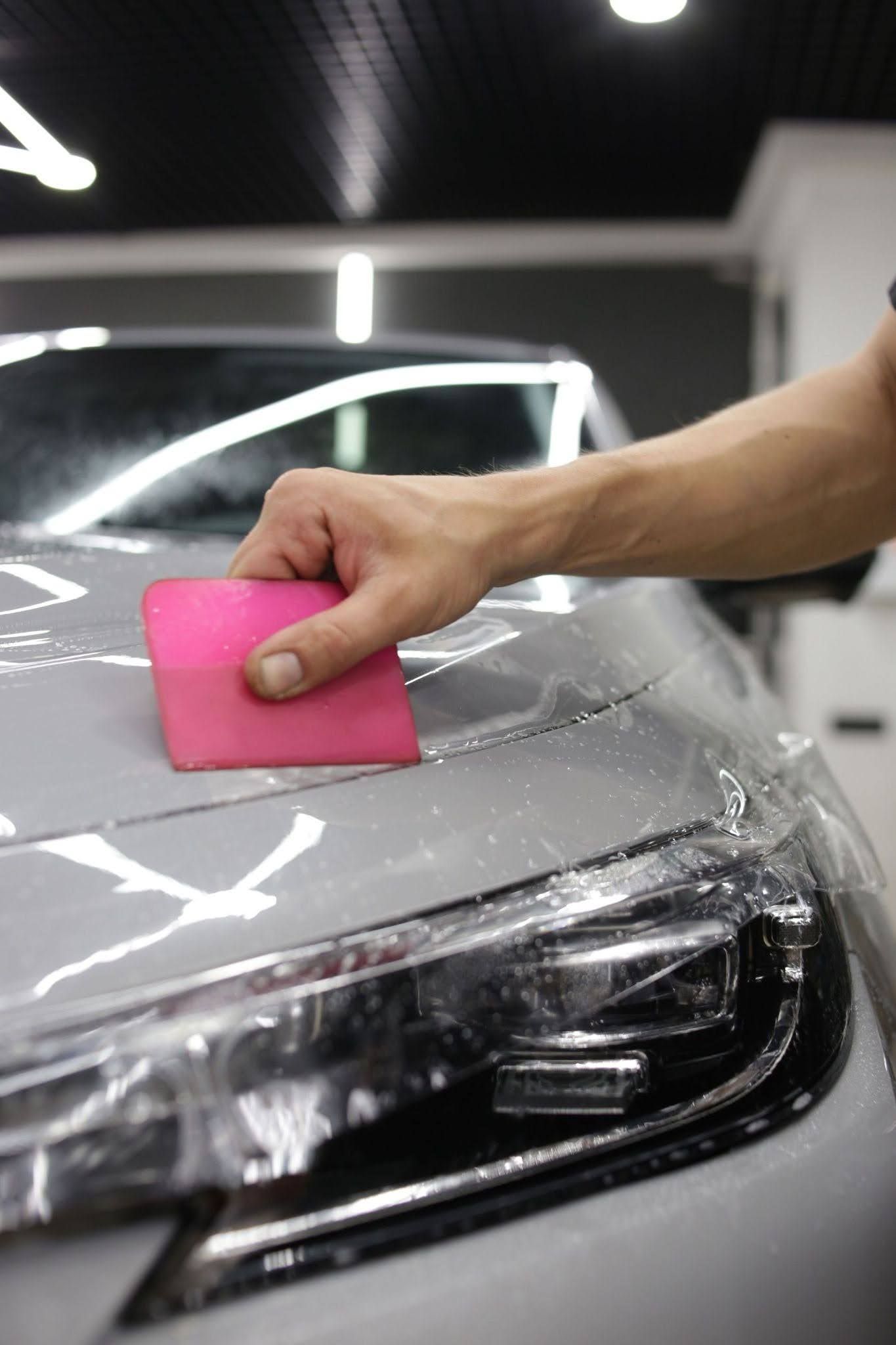
Routine washing may make a vehicle appear clean, but it often does not remove the bonded contamination that affects film installation. Professional preparation goes much deeper, using specialized treatments and techniques that standard cleaning methods cannot replicate. This difference matters because PPF installation requires a level of surface refinement beyond ordinary detailing. Professional preparation supports a result that is cleaner, more precise, and better suited for long-term protection.
Precision Preparation for Quality Results
Premium installation is built on attention to detail. From identifying hidden contamination to refining the paint surface, professional preparation helps support the level of precision required for high-quality PPF application. At Fort Worth Auto Detail, that commitment to preparation reflects the quality standards behind every installation. It ensures customers receive more than protective coverage; they receive a service built for lasting performance and visual excellence.
Why Proper Surface Preparation Is the Foundation of Successful PPF Installation
Surface decontamination is more than a preliminary step before film application. It is the foundation that supports the appearance, durability, and performance of the entire installation. From removing bonded contaminants to creating the ideal surface for adhesion, every stage of preparation contributes to a smoother, longer-lasting result. When this process is handled with care, paint protection film can perform the way it was intended while maintaining the vehicle’s finish at a higher standard.
For drivers considering paint protection film Benbrook services, understanding the role of preparation helps show why installation quality begins before the film is ever applied. At Fort Worth Auto Detail, proper surface decontamination is part of delivering reliable protection and refined results. When the foundation is prepared correctly, the investment in paint protection becomes far more effective and worthwhile.
Contact us today to schedule your paint protection film Benbrook service and give your vehicle the professional surface preparation it deserves.