Paint Protection Film for Cars That Spend More Time on Highways
Vehicles that spend most of their time on highways face a very different set of challenges than those driven mainly around town in Benbrook, TX. Higher speeds mean harder impacts from rocks, gravel, and debris, and long stretches of interstate driving expose the front end of a vehicle to hazards that city driving rarely produces. This is exactly where paint protection film for highway cars becomes such a valuable investment, giving drivers a durable layer of defense against the wear that comes with frequent highway mileage. In this blog, we will break down why highway driving is uniquely tough on paint, how PPF defends against the most common hazards, and which areas of the vehicle benefit most from coverage.
Why Highway Driving Is Tougher on Your Vehicle's Paint
Driving on highways subjects a vehicle's exterior to a level of impact and abrasion that simply does not occur during typical low-speed city driving. At higher speeds, even small pieces of gravel or loose asphalt can strike the front of the vehicle with enough force to chip paint, and this kind of damage tends to accumulate steadily over months of regular highway commuting. Bug splatter, tar spray, and airborne debris also hit the vehicle harder and more frequently at highway speeds, often bonding to the surface before there is a chance to wash it off. For drivers commuting regularly between Benbrook and surrounding areas, this cumulative exposure adds up quickly, making highway-driven vehicles far more prone to visible wear than those used primarily for shorter, local trips.
How Paint Protection Film Defends Against Highway Hazards
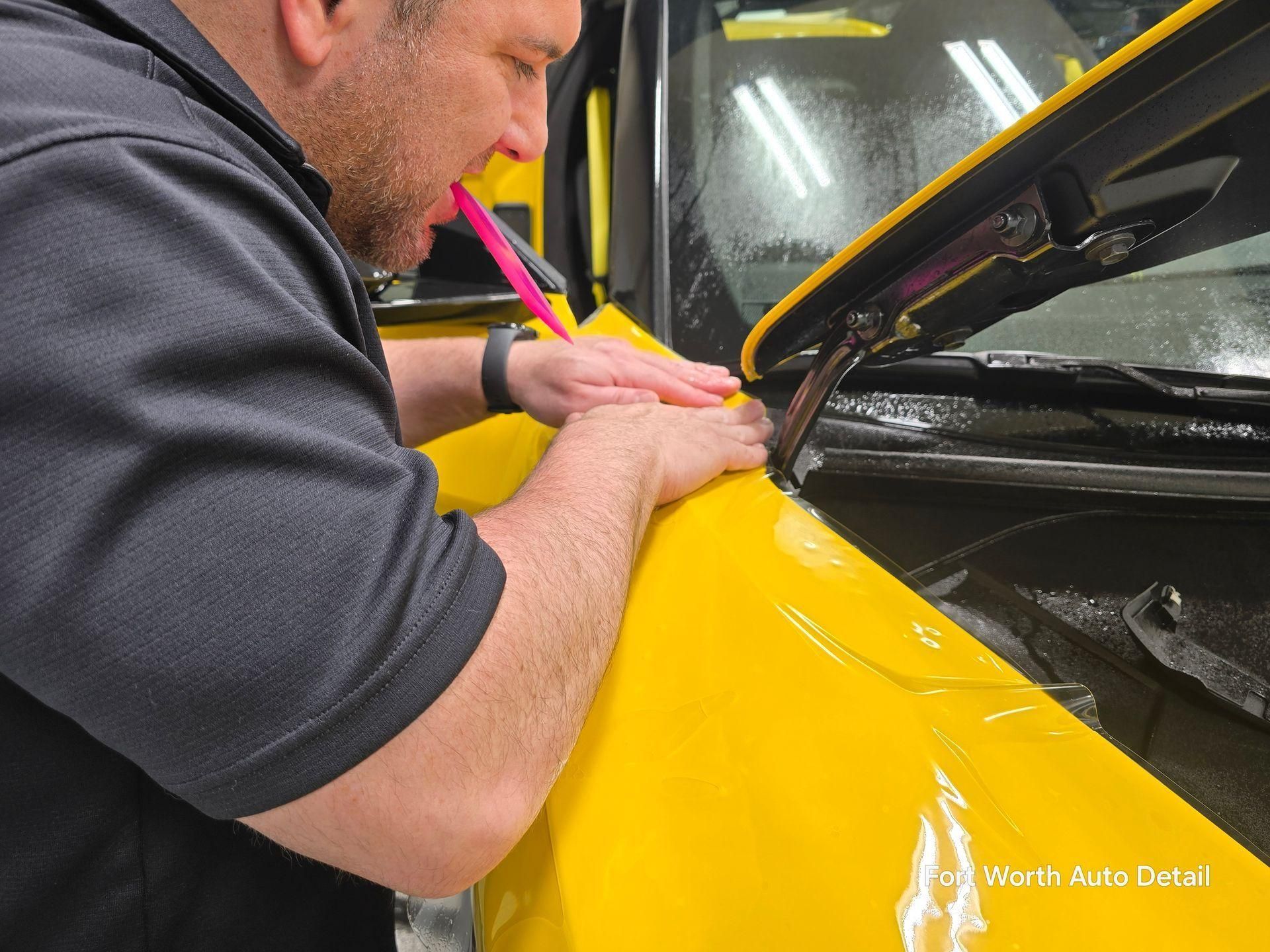
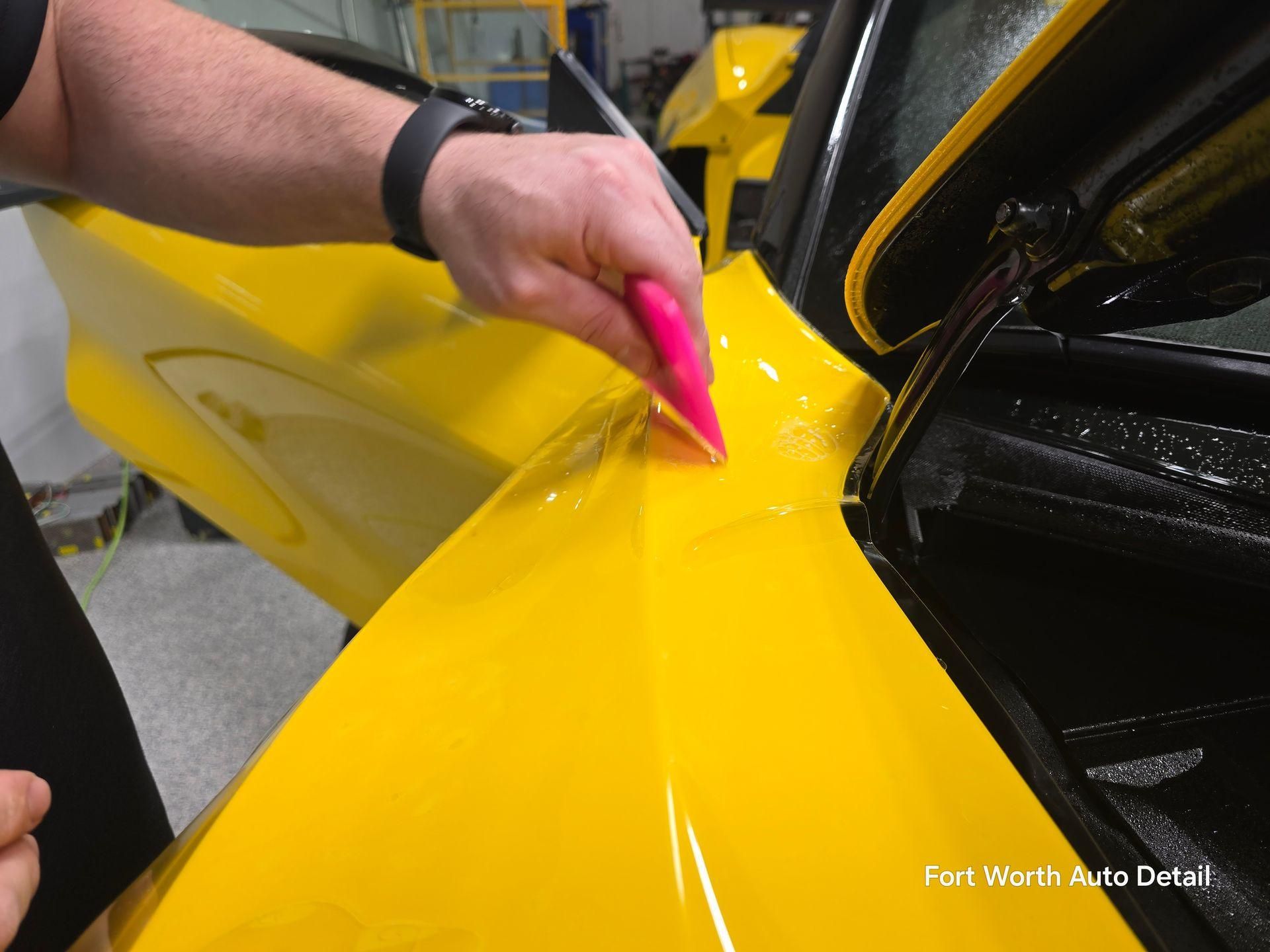
Paint protection film is specifically designed to absorb and deflect the kind of impact and contamination that highway driving produces regularly. Rather than allowing debris, chips, and residue to damage the paint directly, the film acts as a sacrificial barrier that takes the brunt of the impact while keeping the factory finish underneath fully protected. This section breaks down the specific ways PPF handles the most common highway hazards, from small rock chips to sticky residue and larger flying debris. Professional paint protection film installation ensures the film is precisely applied to the vehicle's most vulnerable surfaces, creating a seamless protective layer that stands up to the demands of regular highway driving while maintaining the original appearance of the paint.
Rock Chip and Debris Resistance
One of the most well-known benefits of paint protection film is its ability to resist chipping from small rocks and loose gravel kicked up by other vehicles on the highway. At higher speeds, these particles strike the front end with considerably more force than they would during city driving, and without protection, this repeated impact gradually leads to a paint surface covered in small chips and pits. PPF is engineered with a flexible, impact-absorbing structure that allows it to take this damage in place of the paint, preserving the smooth, factory-fresh appearance underneath even after extended highway use.
Protection Against Bug Splatter and Tar Buildup
Highway driving also means far more frequent contact with insects and tar spray, both of which can be surprisingly damaging to paint if left untreated for too long. Bug residue is acidic in nature and can begin etching into unprotected clear coat within a matter of hours, especially in warmer conditions common throughout Texas. Paint protection film creates a barrier that prevents this residue from making direct contact with the paint, and because the film's surface is far more resistant to staining, cleanup becomes significantly easier without the risk of leaving behind permanent marks or discoloration.
Shielding Against Flying Road Debris
Beyond small gravel and insects, highway driving also comes with exposure to larger debris such as tire fragments, loose construction material, or road refuse kicked up near work zones. These larger impacts carry more force and pose a greater risk of minor scratches or chips if they strike unprotected paint. Paint protection film adds a meaningful layer of resistance against this kind of damage, absorbing much of the impact and significantly lowering the chances of the paint sustaining a deep, hard-to-repair minor scratch during regular highway travel.
Best Areas to Apply PPF for Highway-Driven Vehicles
While a full-vehicle wrap offers maximum protection, many highway drivers choose to focus coverage on the areas most exposed to impact and debris during regular travel. Targeting these high-impact zones provides strong protection where it matters most while keeping the investment more manageable. The sections below outline the specific areas that see the most benefit from PPF application on vehicles that spend significant time on the highway.
Front Bumper Protection
The front bumper takes on more direct impact than almost any other part of the vehicle during highway driving, since it is the first surface to meet oncoming debris, gravel, and road spray. Because of this constant exposure, the bumper is often the first area to show visible chips and wear on an unprotected vehicle. Applying PPF to the front bumper creates a strong first line of defense, absorbing the majority of impacts before they have a chance to reach the paint underneath.
Hood Coverage
The hood is another highly exposed surface, particularly because its long, flat shape sits directly in the path of debris kicked up from the road ahead. Over time, unprotected hoods on highway-driven vehicles often develop a scattered pattern of small chips and pitting that becomes increasingly noticeable, especially on darker paint colors. Covering the hood with paint protection film helps maintain a smooth, unblemished surface even after years of consistent highway mileage, keeping the vehicle's most visible panel looking clean and well-maintained.
Mirrors and Fenders
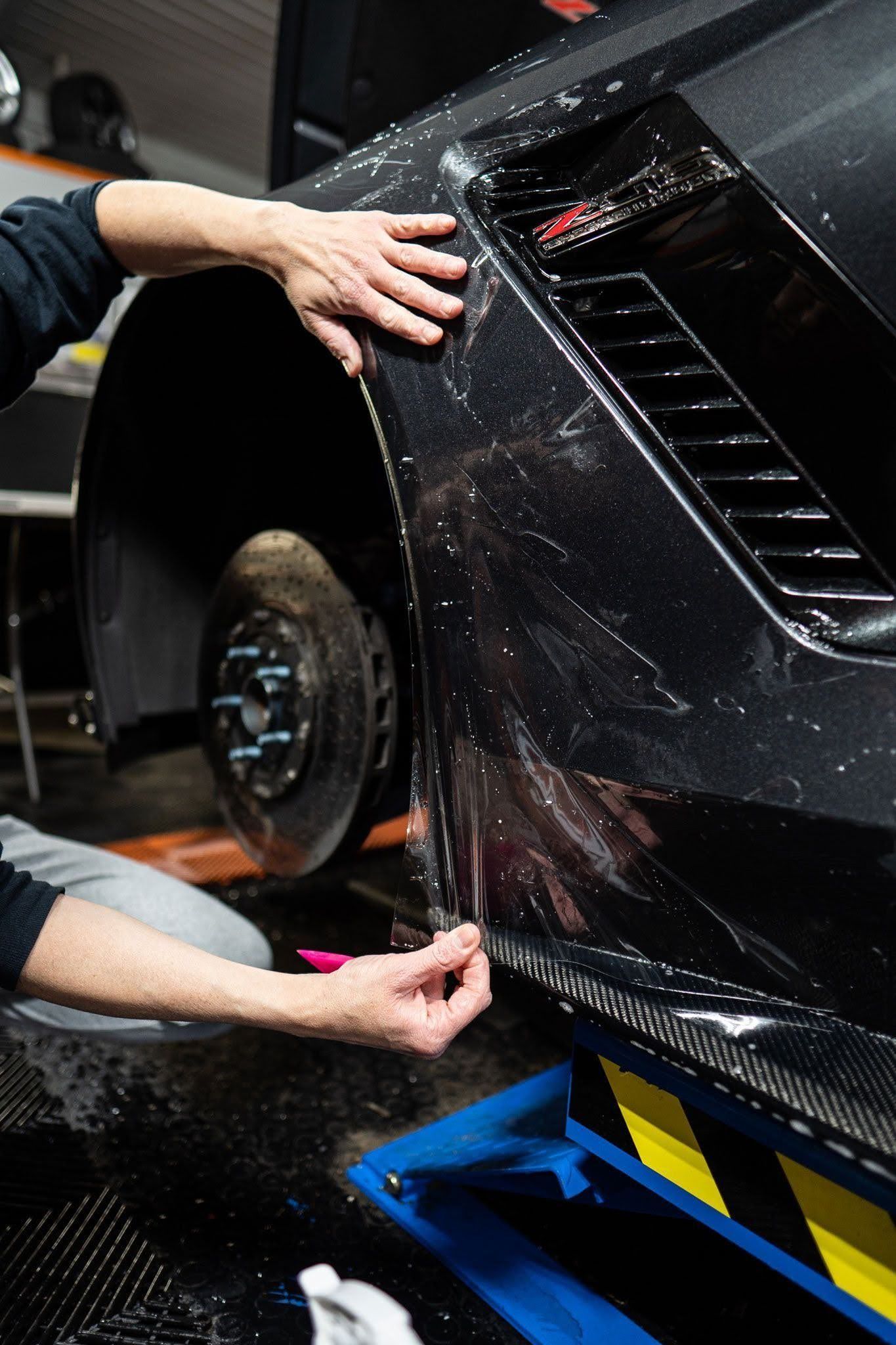
Side mirrors and fenders face a different kind of exposure, often taking hits from debris kicked up by passing vehicles in adjacent lanes or from crosswinds carrying loose material during highway travel. These areas are frequently overlooked when it comes to protection, yet they are just as susceptible to chips and minor scratches as the front of the vehicle. Applying film to the mirrors and fenders rounds out a well-protected highway vehicle, addressing the lateral exposure that front-facing protection alone does not fully cover.
PPF and Highway Driving Conditions Around Benbrook, TX
Drivers based in Benbrook regularly travel busy highway corridors connecting to Fort Worth and the surrounding Metroplex, often passing through construction zones, heavy commuter traffic, and stretches of road where loose debris is common. This regular exposure to fast-moving traffic and inconsistent road conditions makes paint protection film for highway cars a particularly practical investment for local drivers. Rather than dealing with the gradual accumulation of chips and pitting that comes from daily highway commuting, Benbrook drivers who apply PPF are able to maintain a cleaner, more polished appearance despite the demanding driving conditions they face on a regular basis.
How PPF Helps Preserve Long-Term Resale and Appearance Value
Beyond day-to-day protection, paint protection film also plays a significant role in preserving a vehicle's long-term appearance and resale value. Vehicles with visible chips, pitting, or dulled paint from years of highway driving often see a noticeable reduction in perceived condition when it comes time to sell or trade in. By keeping the most exposed panels shielded from damage, PPF helps a vehicle maintain a closer-to-factory appearance for far longer than it would without protection. This translates directly into a stronger impression during resale evaluations and often supports a better overall trade-in or private sale value.
Maintenance Tips for PPF-Covered Vehicles
Maintaining a vehicle with paint protection film is relatively straightforward, but a few consistent habits go a long way toward maximizing its performance over time. Regular washing helps prevent debris and residue from sitting on the film for extended periods, which keeps it performing at its best and looking clear rather than hazy. Harsh chemical cleaners should generally be avoided, since certain products can weaken the film's adhesive bond or affect its clarity over time. Periodic inspection is also worthwhile, allowing any signs of edge lifting or minor damage to be caught early and addressed before they become larger issues that affect the film's overall protection.
Protect Your Highway-Driven Vehicle — PPF Services in Benbrook, TX
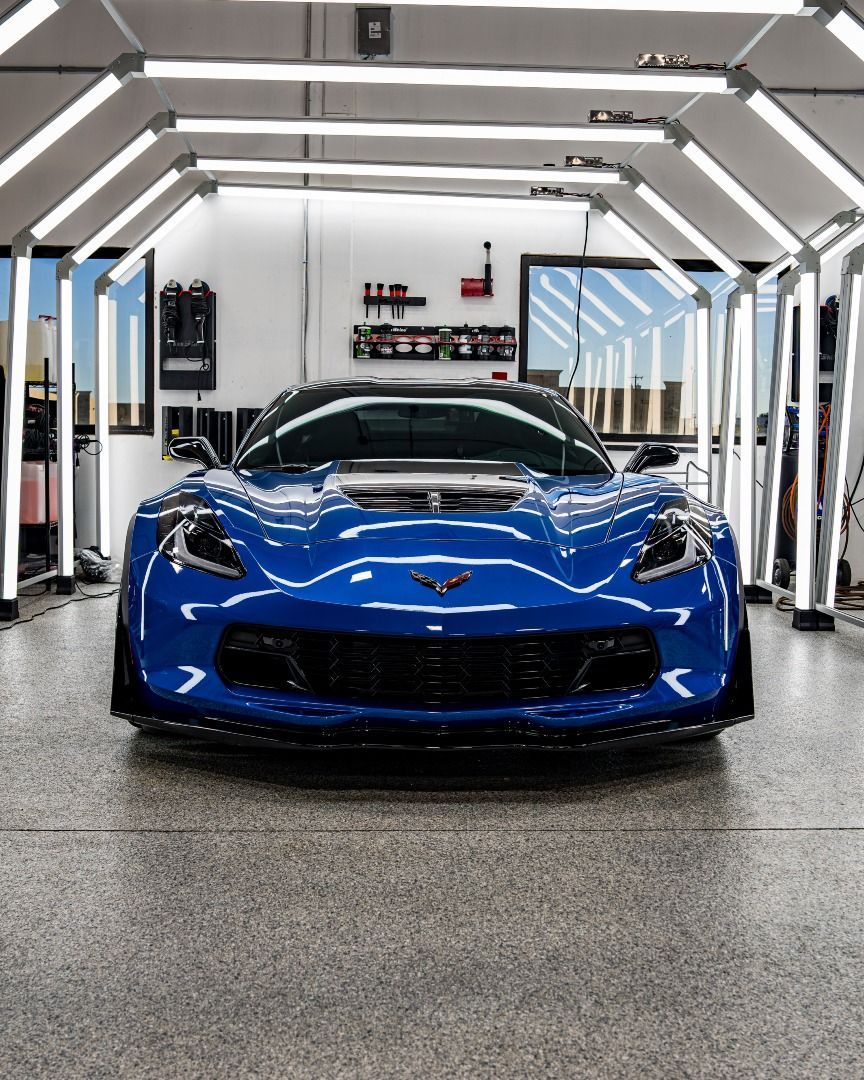
For drivers who spend significant time commuting or traveling on highways around Benbrook, paint protection film offers a practical way to guard against the chips, stains, and debris damage that come with frequent highway mileage. Fort Worth Auto Detail applies professional-grade PPF to high-impact areas, including the front bumper, hood, mirrors, and fenders, giving your vehicle lasting protection where it matters most.
Why Highway Drivers Choose Paint Protection Film
Highway driving places a unique level of stress on a vehicle's exterior, from rock chips and flying debris to bug splatter and tar buildup that accumulate steadily over time. Paint protection film for highway cars offers a proactive solution, absorbing this damage before it ever reaches the paint and keeping high-impact areas like the bumper, hood, mirrors, and fenders looking clean and well-maintained. For drivers throughout Benbrook, TX, who rely on highway travel as part of their daily routine, investing in PPF is a smart, practical step toward preserving both the appearance and long-term value of their vehicle. Contact us today to learn more about paint protection film for highway cars and schedule a professional PPF installation in Benbrook, TX, that helps keep your vehicle protected mile after mile.