How Professional PPF Installers Prevent Lifting and Peeling Over Time
Paint protection film is one of the smartest investments you can make to keep your vehicle looking its best for years. Whether you drive a luxury sedan, a high-performance sports car, or a daily driver you take serious pride in, the last thing you want is to see that protective layer starting to lift or peel. The good news is that with the right installation process and proper ongoing care, these problems are entirely preventable. Here is what the experts do to make sure your PPF stays firmly in place and continues to perform at the highest level.
Why Professional Installation Makes All the Difference
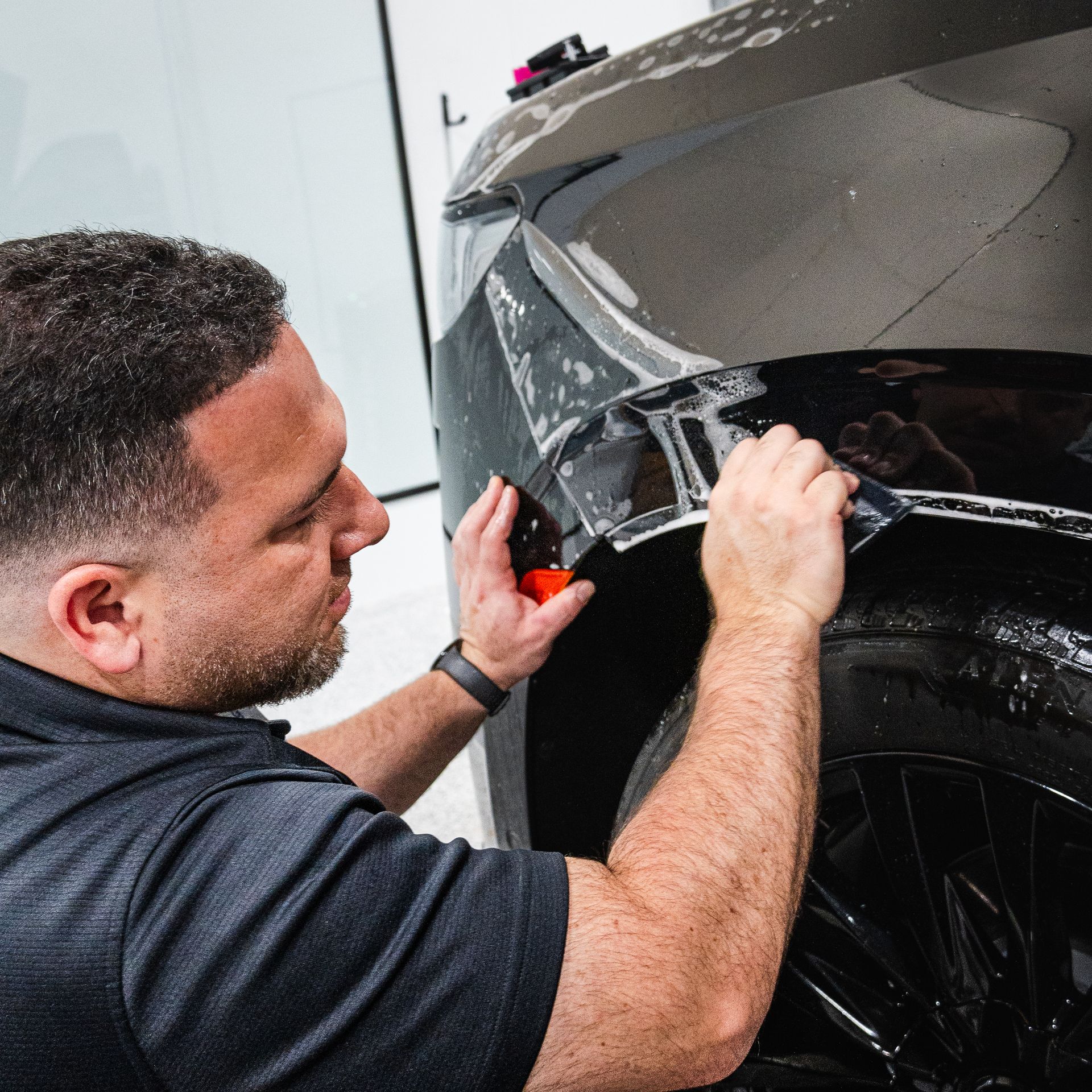
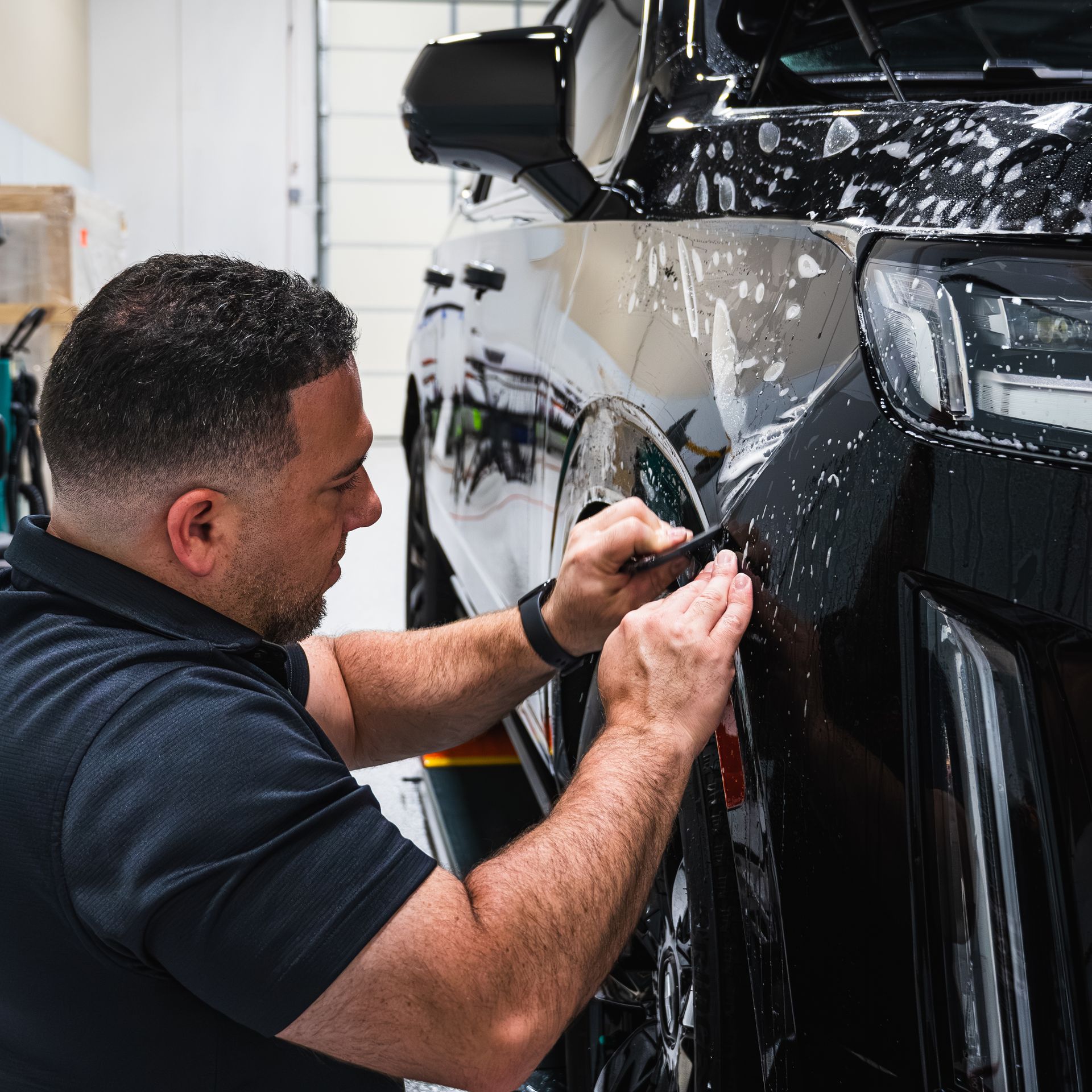
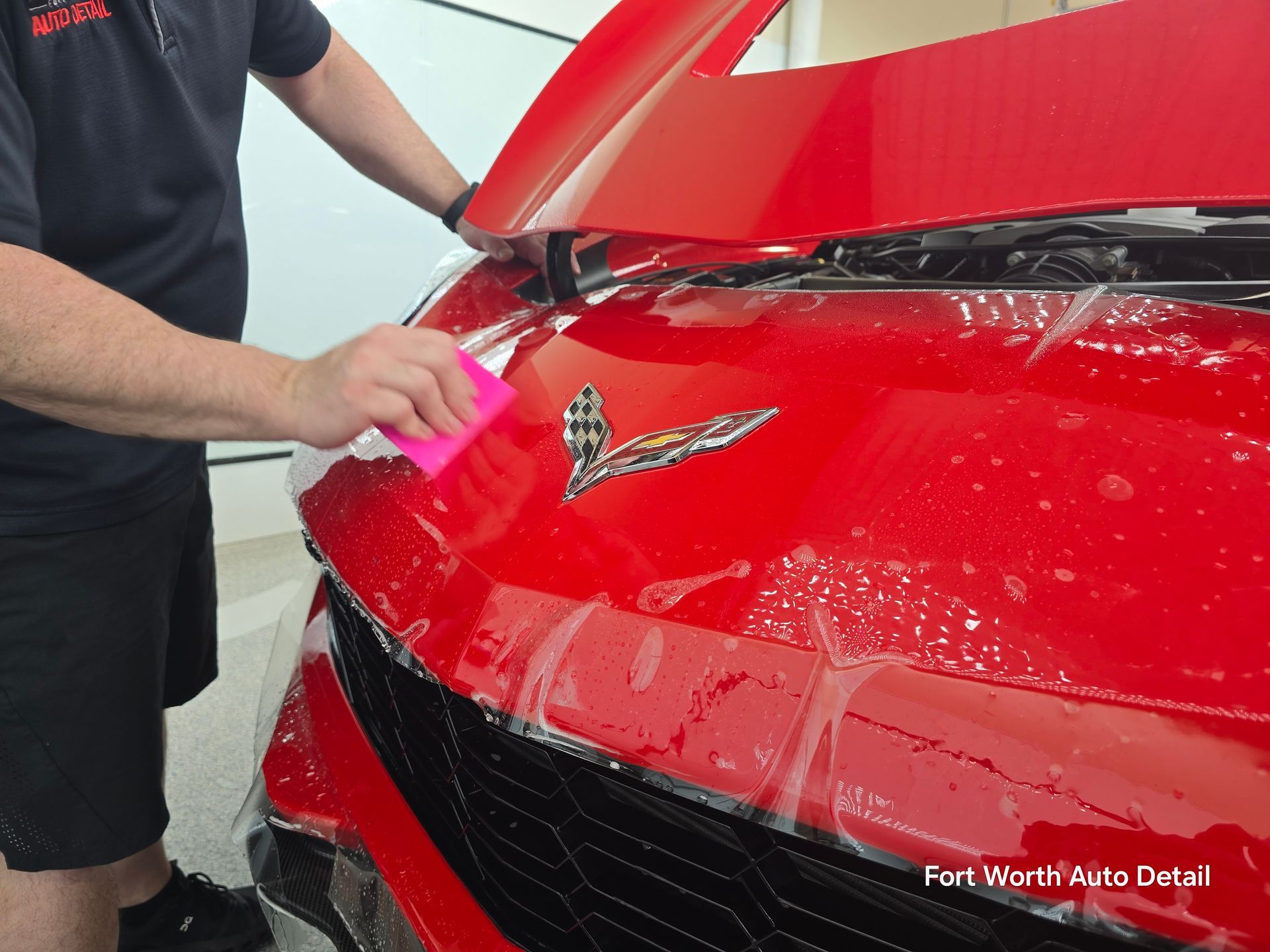
Applying paint protection film is far more involved than it might appear. The process demands technical skill, precision tools, and a controlled environment from start to finish. Professionals begin with thorough surface preparation, using clay bars and high-purity isopropyl alcohol solutions to remove oils, waxes, and microscopic contaminants embedded in the paint. This step is non-negotiable. Even the finest film will fail prematurely if it is applied over a surface that has not been properly cleaned, because invisible residues prevent the adhesive from bonding fully to the paint.
Controlled film tension during application is equally important. Skilled installers know how much stretch each section of a vehicle can accommodate, particularly around tight curves on bumpers, headlights, and mirror caps. Overstretching creates stress points that pull against the adhesive bond over time, leading to edge lifting and bubbling. Rather than forcing the film into position, experienced technicians ease it into place gradually, distributing tension evenly across the surface.
Heat sealing is the step that locks everything together. Using professional heat guns at precise temperatures, installers carefully activate and cure the adhesive along every edge of the film. This process ensures that corners and curves bond completely, creating a resilient seal that resists moisture intrusion and temperature fluctuations. Skipping or rushing this step leaves the adhesive only partially cured, which is one of the most common causes of early edge failure.
The environment where the film is applied also plays a significant role. A climate-controlled, dust-free facility ensures that no airborne particles settle on the paint surface or the adhesive layer during installation. Contaminants introduced mid-application can create microscopic weak points that grow into larger problems over time.
Understanding What Causes Lifting and Peeling
Knowing what leads to PPF failure helps you make smarter decisions about who applies your film and how you care for it afterward. Poor surface preparation is consistently the leading cause of premature lifting. When wax residue, polish oils, or fine dust remain on the paint before application, they act as barriers between the adhesive and the vehicle's surface, limiting bond strength from day one.
Improper heat sealing is another significant factor. The edges and corners of the film are its most vulnerable points, because those areas experience the most exposure to wind, water, and road debris. If the adhesive is not fully cured at those edges during installation, tiny gaps form over time. Dirt and moisture work their way into those gaps, causing the film to progressively lift away from the surface.
Material quality is the third major variable. Budget films rely on adhesive systems that degrade relatively quickly when exposed to UV rays, temperature extremes, and road chemicals. High-grade films use advanced polymer technologies that maintain flexibility and adhesion through years of harsh conditions, including the hot Texas summers and temperature swings common in the Aledo area. Choosing quality film from the start is not an upsell. It is the difference between a film that lasts a decade and one that needs to be replaced within a year or two.
Areas That Need the Most Attention
Certain parts of a vehicle are inherently more vulnerable to PPF failure, and professionals pay extra attention to these zones during installation. The leading edge of the hood takes the most direct impact from highway debris, insects, and wind pressure. If the film is not properly sealed and tensioned along this edge, it becomes the first place lifting appears.
Front bumper corners present a challenge because of their tight radius and frequent exposure to parking impacts and road debris. Side mirrors are another high-stress area, combining complex curves with repeated friction from wind and car washes. Door edges experience ongoing mechanical stress every time a door is opened or closed, and over years that repeated flexing can wear down adhesive bonds, especially if small gaps allow dirt to accumulate underneath.
Experienced installers concentrate their preparation and heat sealing efforts on these areas precisely because they know the stresses these surfaces face. Proper installation ensures that even the most exposed areas of a vehicle can securely hold their film for years without any issues.
Selecting the Right Film for Lasting Performance
Not all paint protection films perform equally, and the quality of the product matters as much as the quality of the installation. Premium films are engineered with adhesive systems that maintain a strong, flexible bond without becoming brittle under UV exposure or temperature stress. The best films also incorporate self-healing properties, meaning that minor surface scratches and swirl marks disappear with heat from sunlight or a warm car wash. This feature prevents the accumulation of micro-damage over time, which can otherwise create weak points in the film's surface and edges.
Hydrophobic top coats are another feature of quality film. These coatings cause water to bead and roll off the surface, which reduces the staining and edge contamination that can undermine adhesion over time. When evaluating film options, it is worth discussing UV stability, adhesive flexibility, and thermal performance with your installer to ensure you are getting a product built to last in your specific climate.
Caring for Your Film After Installation
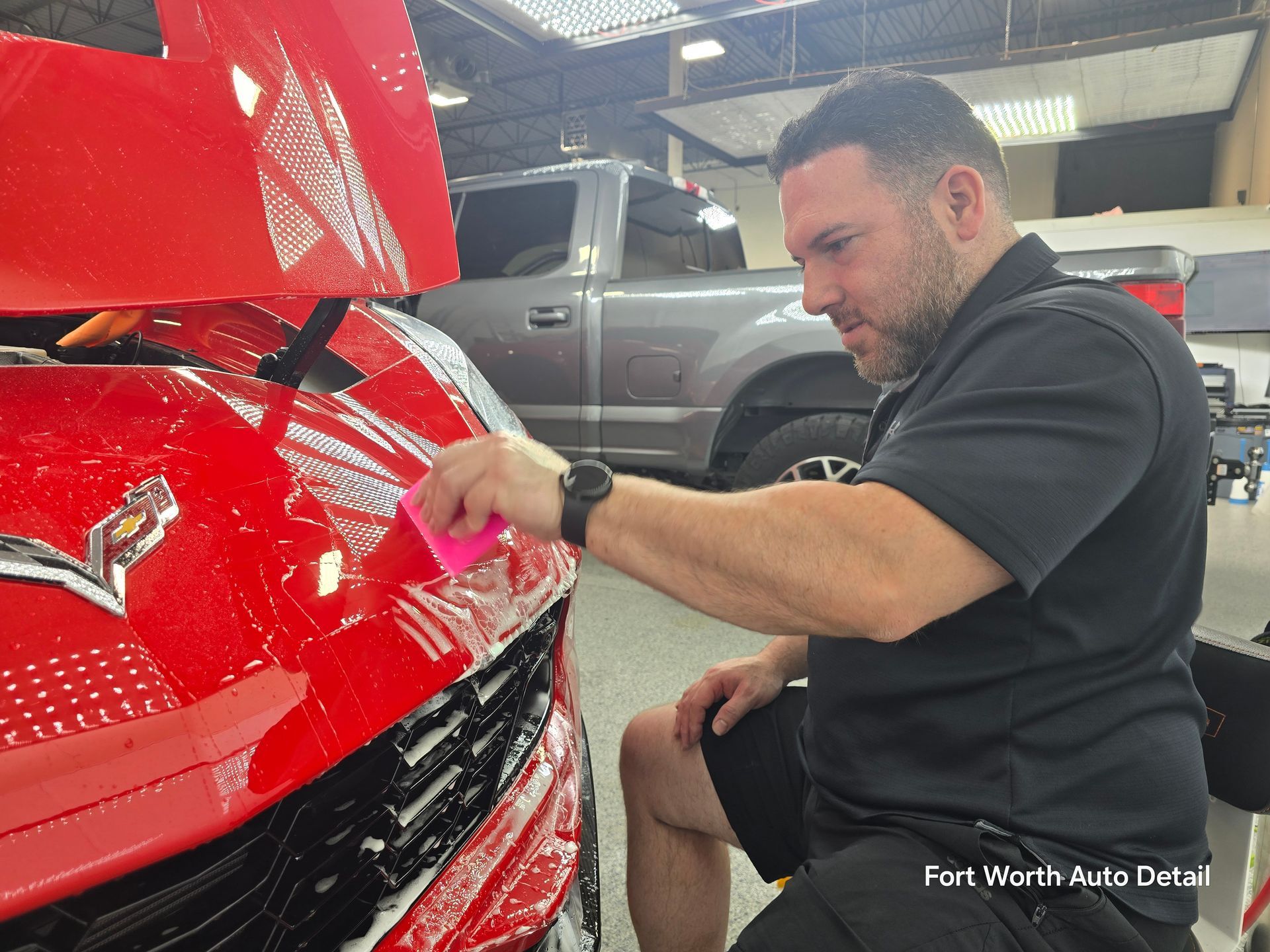
Proper maintenance begins immediately after installation. Allowing adequate curing time before exposing the film to harsh conditions is essential. During the first week or so, avoid high-pressure washes and prolonged water exposure so the adhesive can finish bonding fully to the paint surface.
Once the film has cured, consistent gentle cleaning is the most important thing you can do to extend its life. Washing with a pH-neutral soap and a soft microfiber mitt removes contaminants without scratching the film's surface or compromising its clear coat. Cleaning in straight lines rather than circular motions helps prevent swirl marks from developing. Avoid automatic car washes with mechanical brushes, as the rotating pads apply uneven pressure that can work against the film's edges over time.
When stubborn contaminants like bug splatter or tree sap appear, remove them promptly using a small amount of isopropyl alcohol applied to a clean cloth. Allowing these substances to sit for extended periods can stain or degrade the top coat. It is also wise to avoid harsh chemical cleaners, solvents, and degreasers not approved for use on paint protection film, as these can damage the adhesive layer and dull the self-healing coat.
Making a habit of inspecting the edges of your film every few weeks allows you to catch any early signs of lifting before they become larger issues. A small edge beginning to lift can often be addressed with a quick professional touch-up at minimal cost. Left unaddressed, that same edge can peel back significantly, allowing dirt and moisture underneath and requiring a full section replacement.
Applying a film-compatible sealant every six months adds another layer of protection, helping to preserve flexibility in the film and reducing the risk of micro-cracking at the edges. Think of it as routine maintenance that keeps your film performing the way it was designed to.
The Long-Term Value of Getting It Right
Investing in professionally installed, high-quality paint protection film and following a consistent maintenance routine pays off in multiple ways. Your vehicle maintains the clean, polished appearance it deserves. The film continues to protect against scratches, stone chips, and environmental damage year after year. And when it comes time to sell or upgrade, a vehicle with well-maintained paint and film in excellent condition commands noticeably stronger resale value.
For vehicle owners who take pride in their cars and want that protection to last, the approach is straightforward: trust trained professionals, insist on quality materials, and follow through with the care your film needs. The result is a vehicle that looks great and stays protected for the long haul.
Top PPF Services in Aledo, TX
When it comes to protecting your vehicle with paint protection film, the quality of installation makes all the difference in how well it performs over time. At Fort Worth Auto Detail, every PPF service in Aledo, TX is completed with a focus on precision, proper adhesion, and long-term durability. From detailed surface preparation to careful edge sealing and controlled application techniques, our team ensures your film stays secure and continues to look clean and consistent. If you want protection that holds up against daily driving and the Texas elements,
schedule your professional PPF service with Fort Worth Auto Detail today!