How Professionals Ensure Proper PPF Alignment and Coverage
Protecting a luxury or high-end vehicle with paint protection film is one of the smartest investments a vehicle owner can make, but getting it right requires far more than simply laying film over paint. True quality installation is the result of careful preparation, refined technique, and years of hands-on experience. For vehicle owners in Fort Worth and Aledo who expect nothing less than flawless results, understanding what separates a professional PPF installation from an amateur one helps clarify exactly why working with an experienced shop matters.
Starting With the Surface
Before any film touches a vehicle, the surface must be in the right condition. Even invisible contaminants such as dust, oils, or residues can cause bubbles or premature peeling. Professionals use alcohol-based cleaners and lint-free cloths to achieve a surface that is genuinely clean at every level, not just visually.
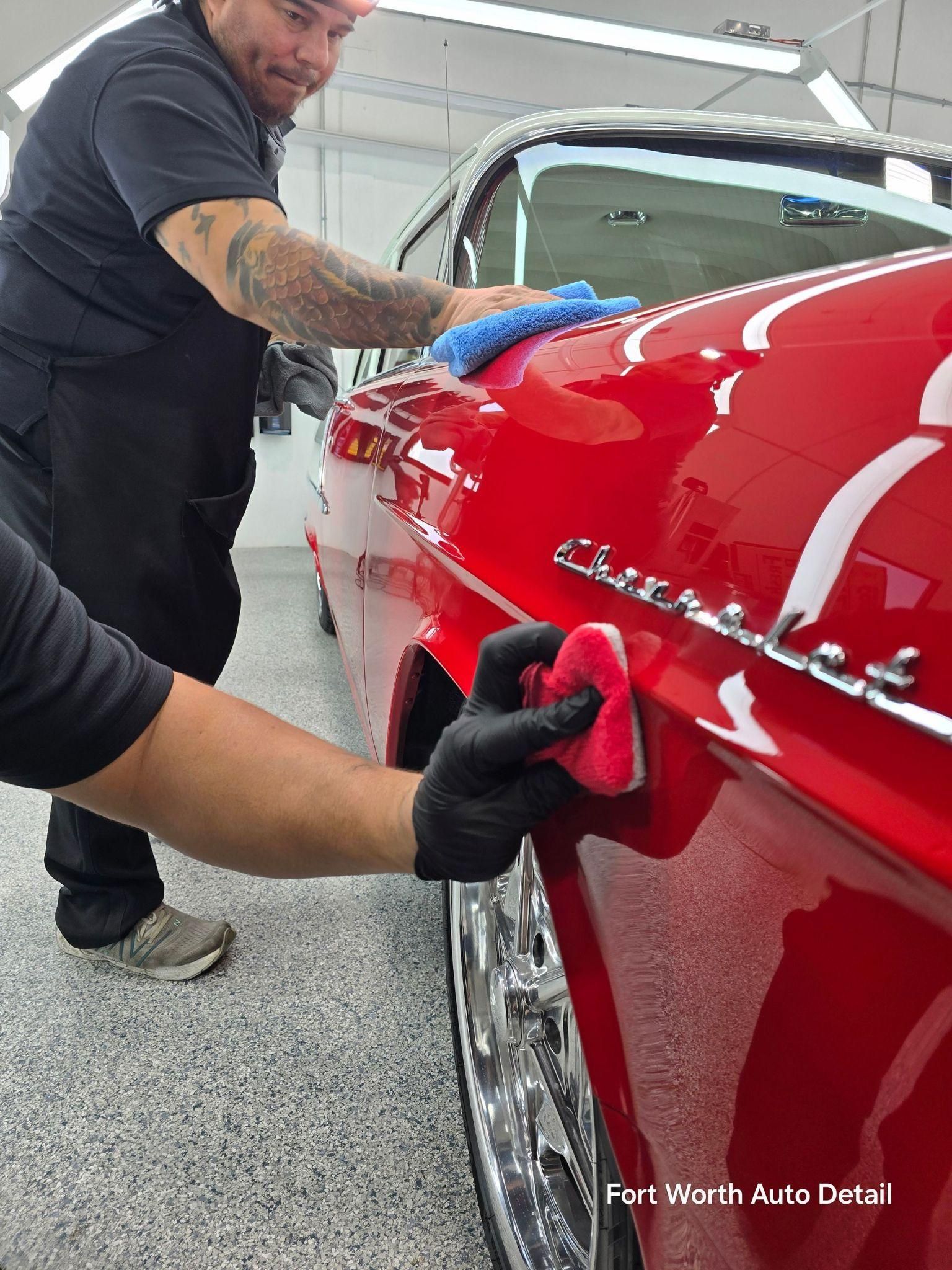
Surface assessment goes beyond cleaning. Under controlled lighting, technicians inspect for scratches, dents, or imperfections that could affect how the film bonds and lies against the paint. Shallow scratches may be polished out to create a smooth, flat canvas before installation begins. A tactile inspection follows, where installers run gloved hands across every panel to detect rough spots or dried debris that might not catch the eye under direct lighting alone.
This level of preparation is not just a formality. It directly determines how long the film lasts and how clean the finished result looks. Rushing this step leads to the exact problems vehicle owners want to avoid: bubbling, lifting edges, and a film that looks applied rather than invisible.
Knowing Which Areas Need the Most Attention
Not every part of a vehicle faces the same threats. The front bumper and hood leading edge take the hardest hits from road debris, gravel, and bugs, particularly at highway speeds. These high-impact zones typically receive thicker film or additional layers to stand up to constant exposure. Door edges, on the other hand, are more vulnerable to incidental contact, such as nicks from adjacent vehicles or curbs, and require precise narrow-strip application to protect the paint along those thin perimeters.
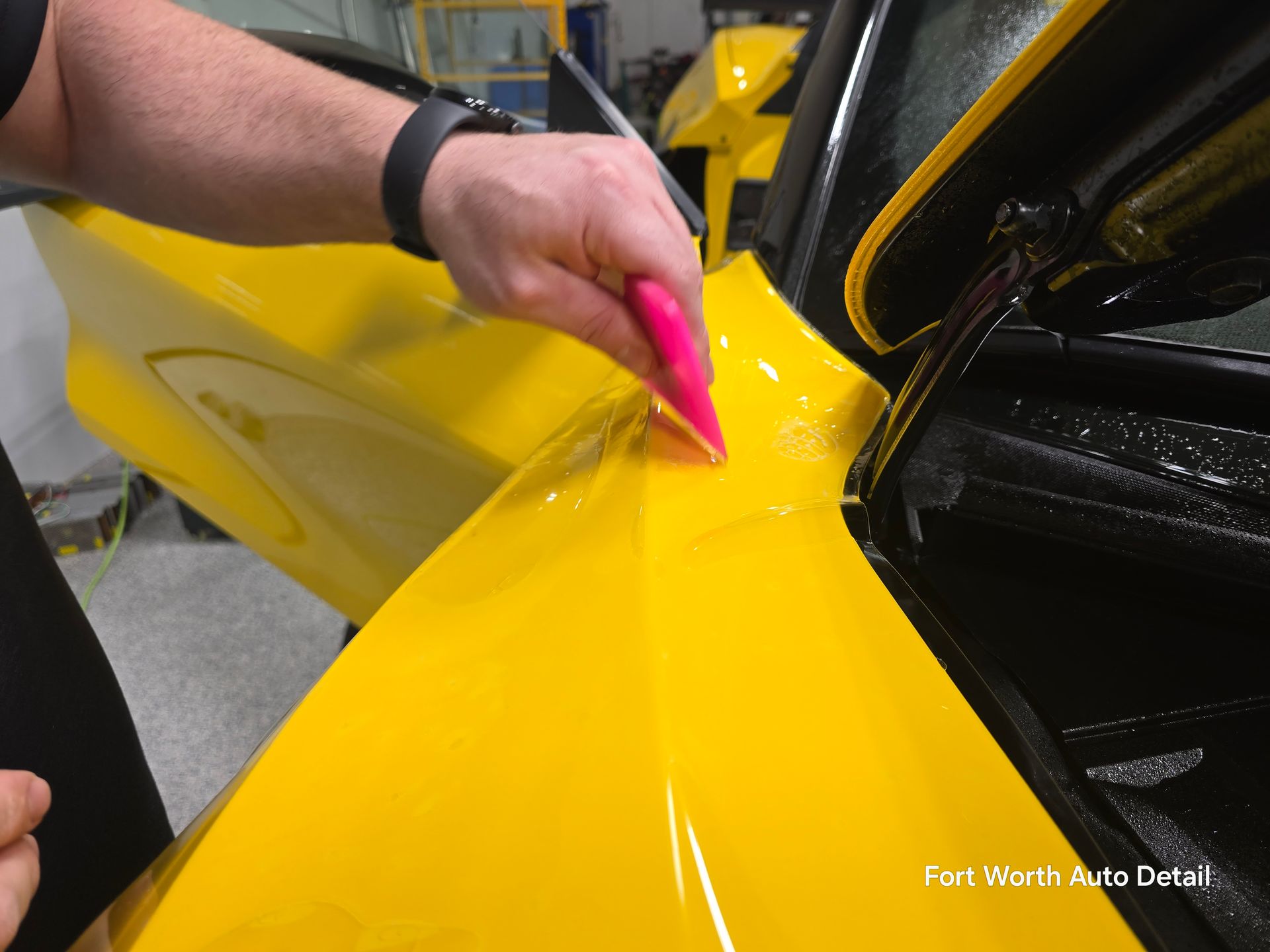
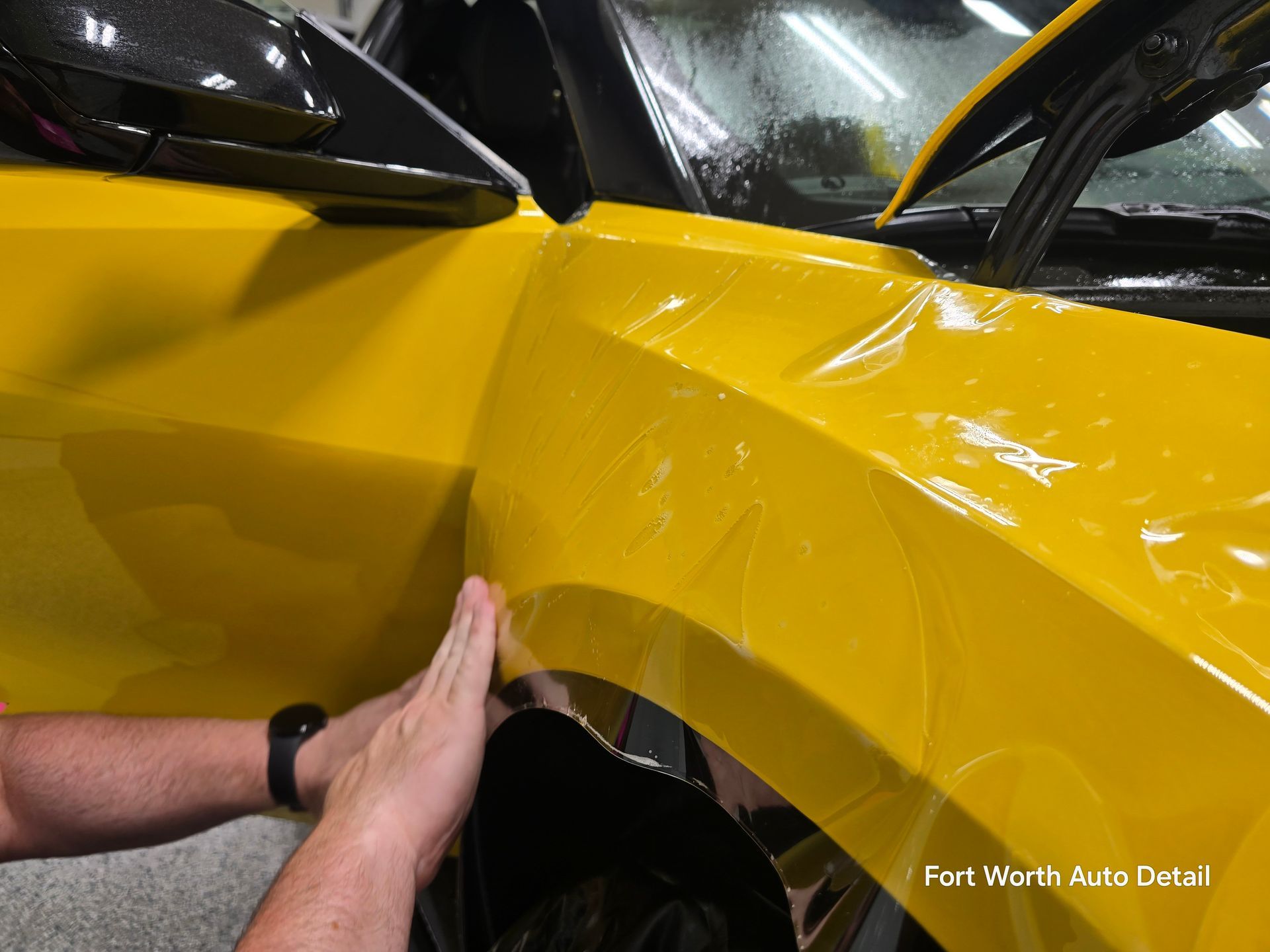
Curved surfaces like side mirrors and fenders present their challenge. The film must conform smoothly to tight bends without wrinkling or trapping air. When installation is rushed on these surfaces, bubbling along the mirrors or fenders is a common and frustrating result. Professional installers use heat to gently soften the film in these areas, allowing it to mold to the shape of the panel cleanly and without stress. Understanding which areas are most vulnerable allows a professional shop to allocate the right materials and techniques for each zone, ensuring the vehicle receives comprehensive protection without gaps or compromised coverage.
The Tools That Make Precision Possible
Professional PPF installation relies on a combination of specialized tools that most vehicle owners may never think about. Digital cutting plotters use software templates tailored to each vehicle's specific make and model, producing pre-cut film shapes with tight tolerances. This eliminates the guesswork of hand-cutting and ensures every piece fits the panel it was designed for.
Heat guns play a central role in shaping film around complex contours. Professionals monitor temperature carefully to keep the film pliable enough to mold without distorting or weakening the adhesive. Felt-edged squeegees allow installers to press out air bubbles from the center of a panel outward without scratching the film's surface. These are not generic tools but purpose-built instruments used by professionals who understand exactly how much pressure to apply and when.
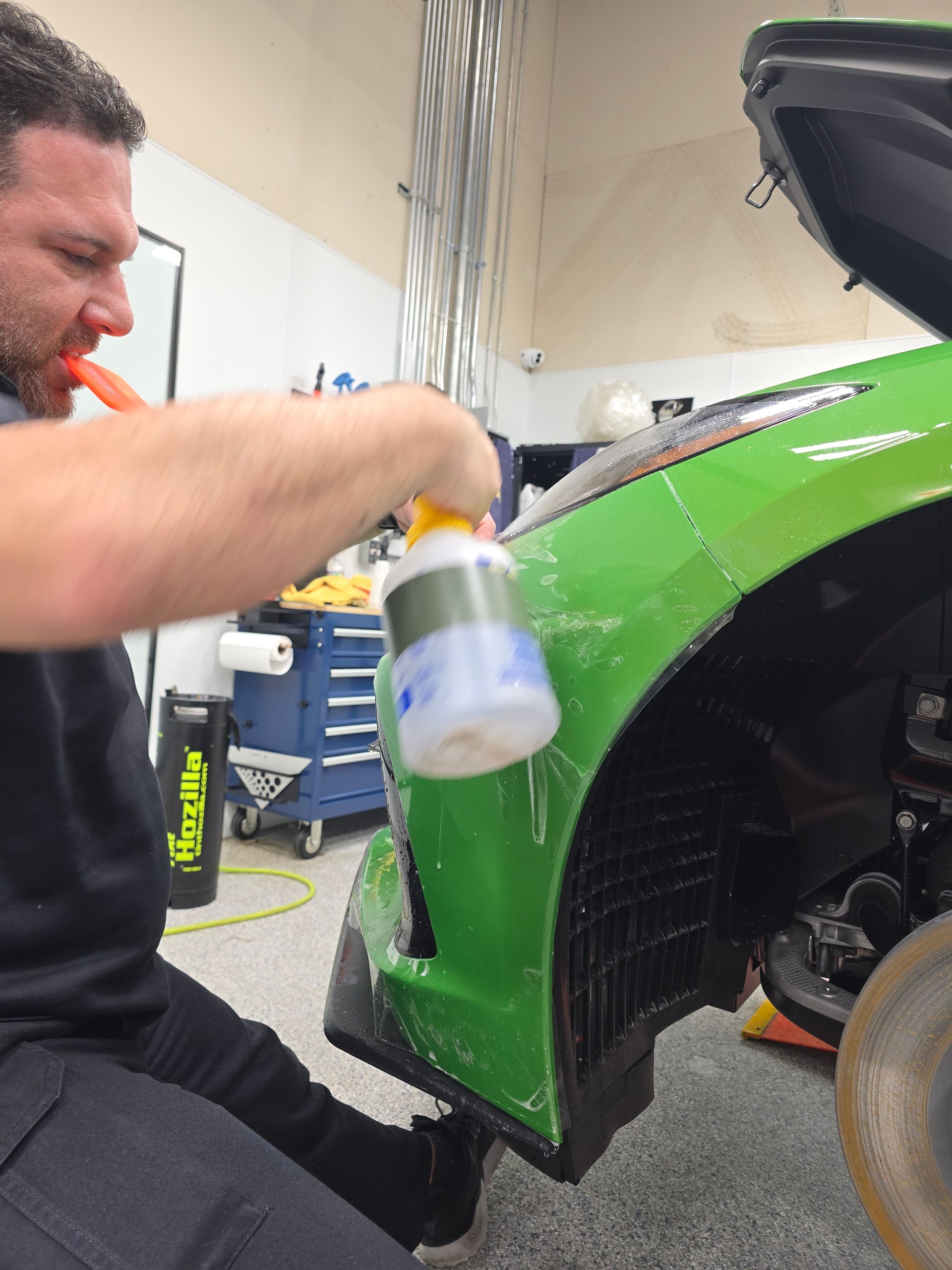
Prior to placing any film, surfaces are cleaned with isopropyl alcohol solutions using lint-free microfiber cloths. A slip solution, typically a mild soap mixed with distilled water, is then applied to both the adhesive side of the film and the vehicle panel. This solution acts as a temporary lubricant, giving the installer the ability to slide and reposition the film before the adhesive sets. Without it, placement becomes a one-shot process with no room for correction.
Applying the Film Step by Step
The application process follows a deliberate sequence that leaves no room for shortcuts. First, the film is measured and cut slightly larger than the target panel. This extra margin provides flexibility during placement and allows for precise trimming once the film is correctly positioned.
With the panel cleaned and the slip solution applied to both surfaces, the film is gently laid onto the vehicle and carefully slid into position. Even experienced installers make several small adjustments during this stage, ensuring the film's edges align with panel boundaries with a high degree of accuracy.
Once the film is correctly positioned, a felt-edged squeegee is used to remove trapped air and water from beneath it. Starting from the center and working outward in overlapping strokes, the installer progressively bonds the adhesive to the paint while pushing remaining fluid toward the edges. Consistent pressure is essential here: too little and air pockets remain; too much and the film stretches or thins in areas that need full, even coverage.
Where panels curve or edges require wrapping, heat is applied to soften the film and allow it to conform without tension or wrinkling. The film is then wrapped around the edge and pressed firmly into place. Excess material is trimmed cleanly with a sharp blade, following the natural lines and creases of the vehicle so seams remain as invisible as possible. After installation, the vehicle is left undisturbed for a curing period, typically between 24 and 48 hours, depending on environmental conditions. This window allows the adhesive to bond fully and reach its maximum strength.
Why Edge Coverage Determines Long-Term Results
Of all the variables in a PPF installation, edge coverage is one of the most telling indicators of quality. Loosely applied or exposed edges are entry points for dirt and moisture, which gradually work their way underneath the film and cause lifting and bubbling from the inside out. Once this process starts, it is difficult to reverse without removing and reapplying the film entirely. Edge wrapping involves folding the film neatly around the perimeter of each panel and tucking it firmly into any available crevice or contour. The goal is to create a sealed barrier that prevents contamination from reaching the adhesive layer. This technique requires patience and a steady hand, as any fold that creates excess tension can become a stress point over time.
Heat sealing complements edge wrapping by activating the adhesive more thoroughly along the perimeter. Controlled heat encourages the adhesive to bond at a deeper level, creating resistance against lifting even when the vehicle is exposed to moisture, pressure washing, or demanding road conditions. Door sills and fender edges, which see regular contact with water and physical wear, benefit especially from this step. The key is applying just enough heat to strengthen the bond without warping the film or affecting the paint underneath. Together, edge wrapping and heat sealing transform what could be a vulnerable perimeter into one of the most durable parts of the installation. They represent the finishing detail that separates a long-lasting, high-quality job from one that begins failing within months.
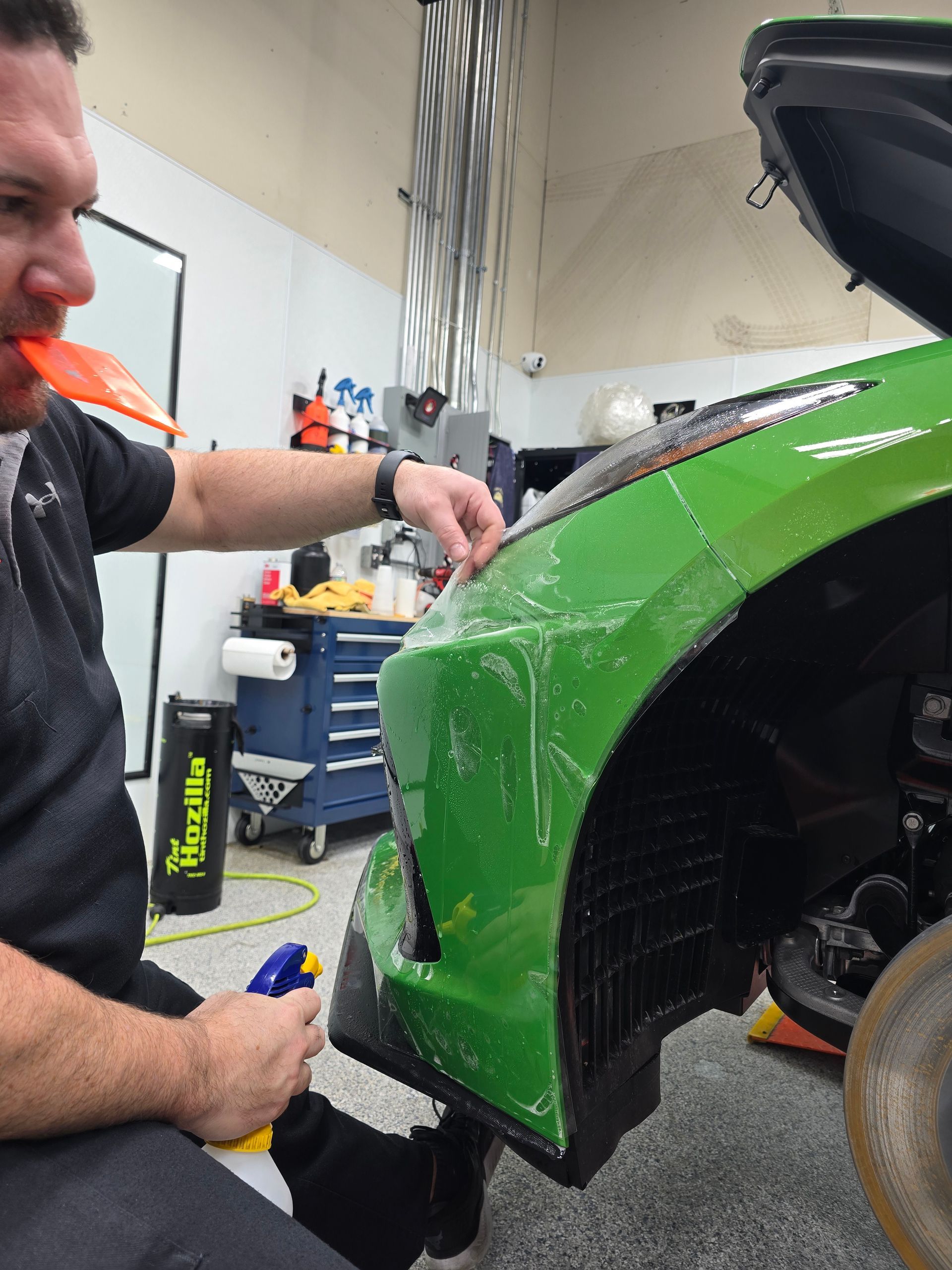
Fine-Tuning Alignment Before Final Adhesion
Even after the film is positioned and initial squeegee work is complete, skilled installers continue making micro-adjustments before allowing full adhesion. The slip solution provides a window of time in which the film can still be shifted without compromising the bond. Professionals use this time to verify that every edge lines up with panel boundaries and that no shadow lines or overlaps are visible.
Tension management is equally important during this stage. When film is stretched over curves or body lines, too much tension thins the material in areas that need consistent thickness for full protection. Too little leaves the film with wrinkles or loose spots. Experienced installers develop an intuitive understanding of the right amount of stretch, and they use controlled heat application to ease the film into position on complex curves without forcing it. This combination of slip-assisted repositioning, measured tension, and targeted heat application is what makes an invisible installation possible. It reflects years of practice and a commitment to precision that cannot be replicated with shortcuts or rushed timelines.
The Final Inspection
A professional installation is incomplete until a thorough inspection confirms the work meets a high standard. Installers examine every panel under strong lighting to identify any remaining air bubbles, dust particles, or areas where the film has not fully bonded. Edges and seams receive particular attention, since these are the spots most likely to show issues under close scrutiny.
Tactile checks accompany the visual inspection. Running a finger along seams and edges helps detect raised areas that lighting alone might not reveal. Many shops also use ultraviolet light during the inspection process to detect fine debris or adhesion gaps that standard lighting can miss. This final step reflects a level of thoroughness that vehicle owners investing in premium protection should expect.
Many shops involve the customer in this final review, walking them through each panel and explaining what was done. This transparency gives vehicle owners the confidence to ask questions and the assurance that the installation was performed with genuine care. High-resolution photos of key areas are often shared as documentation, providing a clear record of the vehicle's condition at the time of installation.
What This Means for Your Vehicle
For vehicle owners in Fort Worth and Aledo who have invested in a luxury, performance, or collector car, a professional PPF installation is not just about aesthetics. It is about preserving the value, integrity, and appearance of a vehicle that matters to you. Every step described here, from meticulous surface preparation to the final inspection, reflects a commitment to doing the job right the first time. When you choose a shop with the experience, tools, and attention to detail to follow this kind of process, you can drive away knowing your vehicle's paint is protected by a layer that was applied with precision and backed by genuine craftsmanship.
Premier PPF Service in Fort Worth, TX
When protecting the finish of a luxury or performance vehicle, proper installation makes all the difference. At Fort Worth Auto Detail, our experienced technicians provide
professional paint protection film installation designed to shield high-impact areas of your vehicle from road debris, environmental contaminants, and everyday wear. With careful surface preparation, precise alignment, and attention to edge coverage, our team ensures the film blends seamlessly with your vehicle’s paint for long-lasting protection and a clean, nearly invisible finish.
Schedule your appointment today to help keep your vehicle’s exterior looking its best for years to come!