How Is Paint Protection Film Removed From a Vehicle?
Introduce the common reasons vehicle owners decide to remove paint protection film, such as yellowing, peeling edges, cracking, discoloration, or replacing older film with new protection. Address the main concern about whether removing the film can damage the original paint. Naturally introduce paint protection film removal as a process that requires controlled heat, careful peeling, and proper adhesive cleanup. Mention that vehicle owners in Aledo, TX can consult Fort Worth Auto Detail for professional paint protection film services.
How Does Paint Protection Film Removal Work?
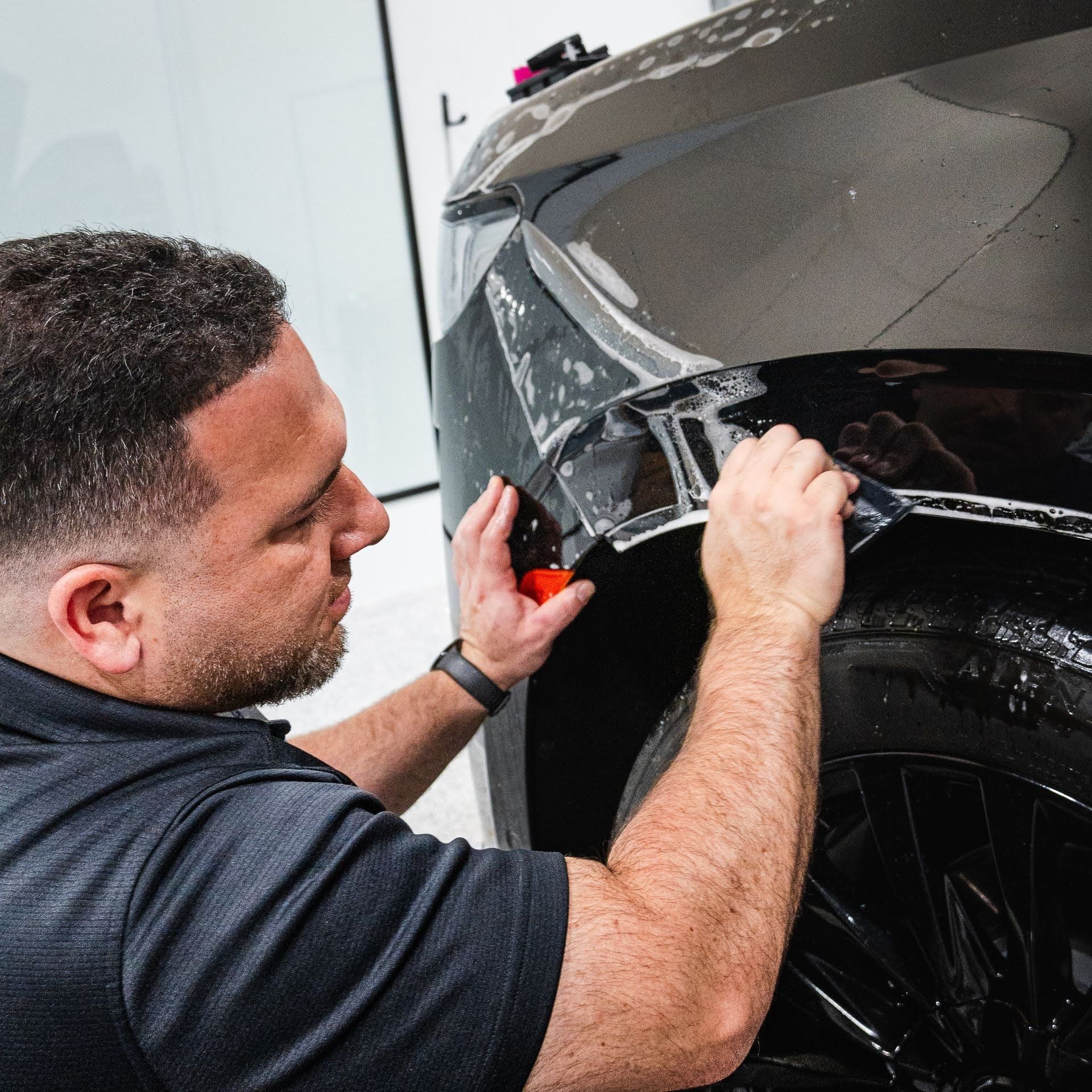
Begin by explaining that removing paint protection film requires a methodical approach rather than simply pulling the material away from the vehicle. Describe how technicians assess the film and painted surface before beginning. Introduce the three main stages of the removal process, emphasizing the importance of temperature control, peeling technique, and residue cleanup.
Using Controlled Heat to Soften the Adhesive
Explain how controlled heat helps soften the adhesive and makes the film easier to separate from the painted surface. Discuss why technicians apply heat gradually and evenly instead of overheating one area. Highlight how proper temperature management helps reduce unnecessary stress on the paint and supports a smoother removal process.
Applying Careful Lifting and Peeling Techniques
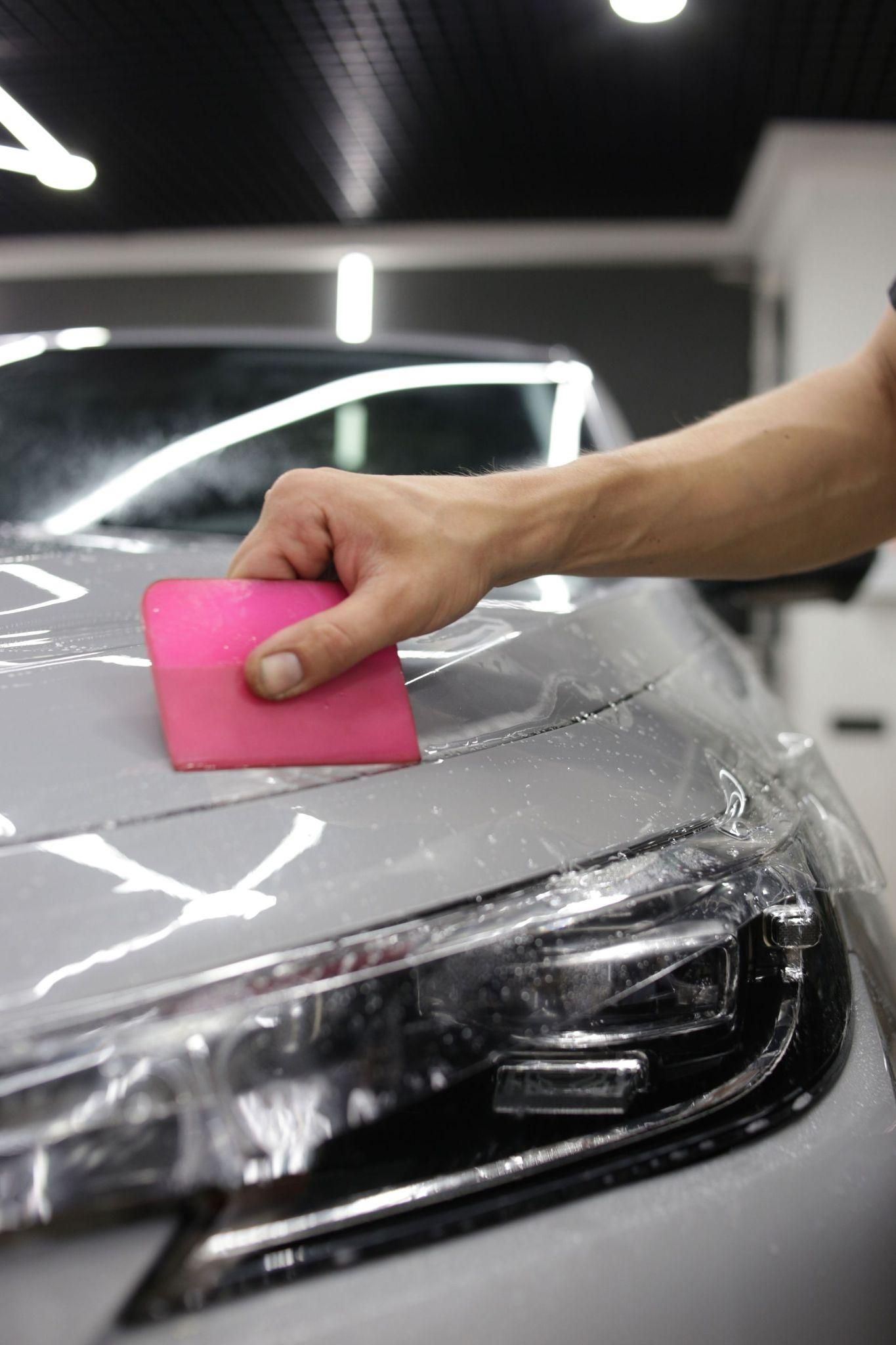
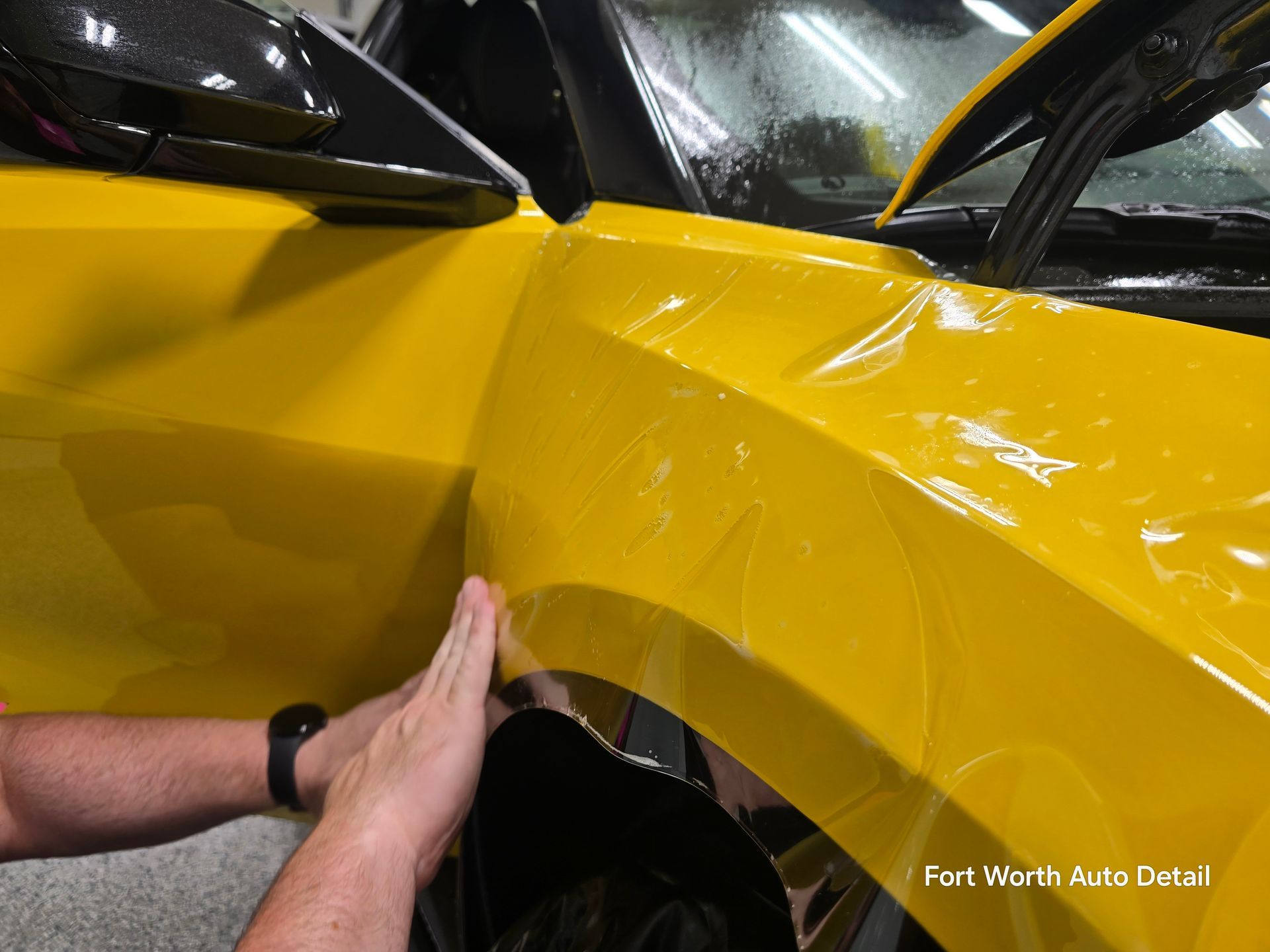
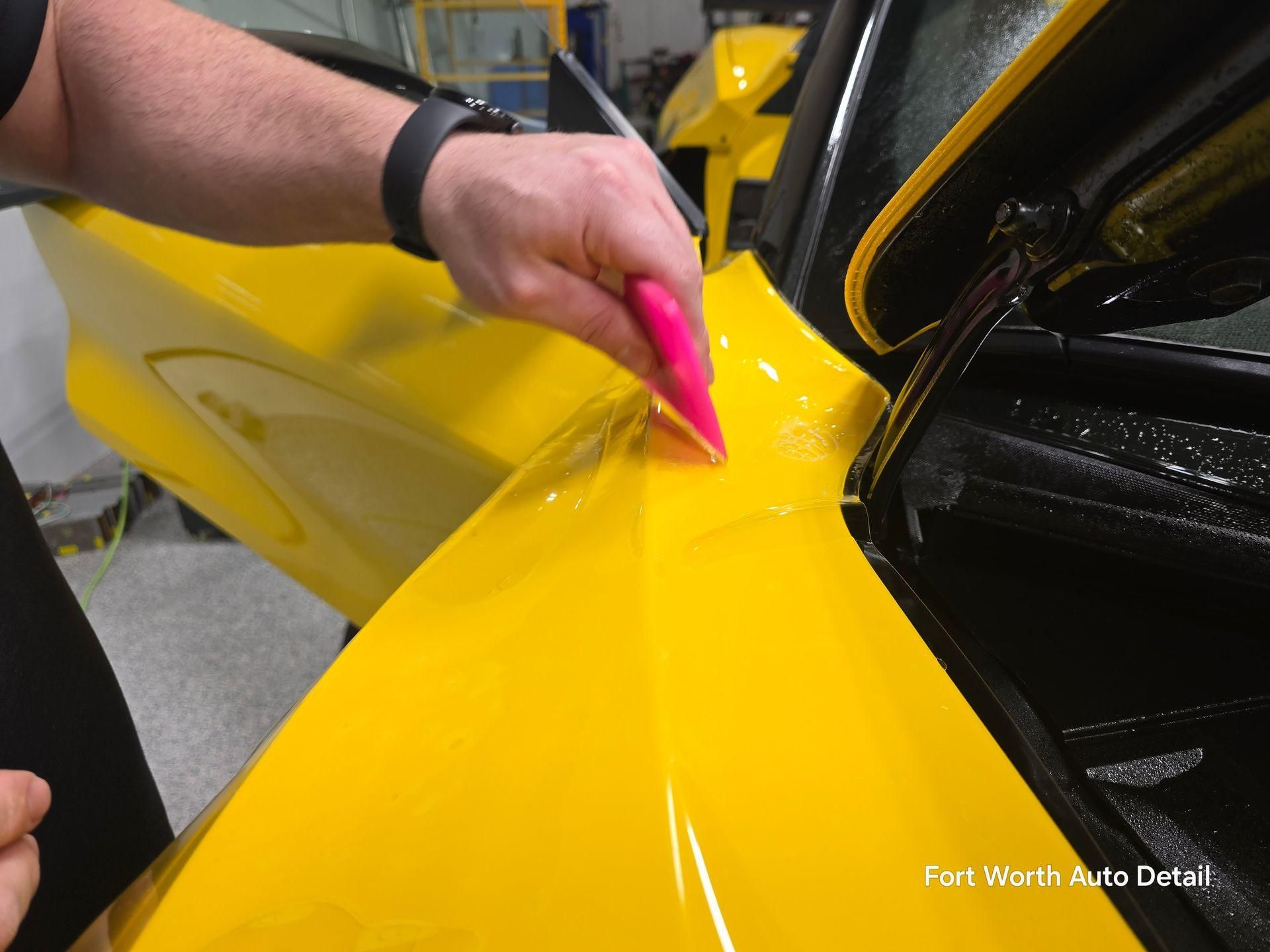
Describe how technicians begin lifting the film from an accessible edge and gradually peel it away at a low angle. Explain why maintaining steady pressure and working in manageable sections helps prevent tearing and reduces the possibility of pulling on the underlying paint. Discuss why rushing the process can create additional complications.
Removing Remaining Adhesive Residue
Explain why adhesive residue may remain after the film has been removed, particularly when dealing with older or deteriorated material. Discuss the use of automotive-safe cleaning products and gentle techniques to remove remaining adhesive. Highlight the importance of inspecting each panel to ensure the surface is clean and ready for the next stage.
What Factors Affect the Paint Protection Film Removal Process?
Introduce the different conditions that can influence the time, technique, and overall difficulty of removing film. Explain that every vehicle has a different installation history and paint condition, so the removal approach must be adjusted accordingly. Introduce the three important factors that technicians consider before starting the service.
Age and Condition of the Film
Discuss how prolonged exposure to sunlight, heat, road debris, and environmental conditions can affect the film over time. Explain how older material may become brittle, yellow, cracked, or difficult to remove in larger sections. Also cover how aging adhesive can make the removal process more complicated compared with newer film in good condition.
Original Installation Quality and Paint Condition
Explain how the original installation affects the removal process. Discuss how uneven application, improper surface preparation, and inconsistent adhesion can create challenges when separating the film from the paint. Also address the importance of inspecting the underlying paint, particularly when it has existing minor scratches, weakened clear coat, or other imperfections.
Previous Bodywork and Repainted Panels
Explain why previously repaired or repainted panels require additional attention during paint protection film removal. Discuss how aftermarket paint may respond differently from original factory finishes when heat and pulling pressure are applied. Highlight the importance of identifying previous repairs before beginning the service to determine an appropriate removal technique.
What Should Vehicle Owners Expect During Professional PPF Removal?
Explain the complete service experience so vehicle owners understand what happens when they bring their cars for removal. Cover the initial inspection, identification of damaged or deteriorated film, controlled removal, adhesive cleanup, and final paint inspection. Discuss how the vehicle's size, film coverage, age, and condition influence the time required. Also explain that removing the film may reveal existing paint imperfections that were previously hidden beneath the protective layer.
When Should You Consider Professional Paint Protection Film Removal?
Introduce the common signs that indicate existing film may need replacement or removal. Discuss yellowing, bubbling, cracking, peeling edges, discoloration, and stubborn stains as reasons to have the film inspected. Explain why older installations and extensive film coverage may require professional attention. Address the potential risks of DIY removal, including damaged paint, torn film, difficult adhesive residue, and unnecessary surface correction. Emphasize the value of an experienced technician who can assess the vehicle before starting.
How Should the Vehicle's Paint Be Prepared After Film Removal?
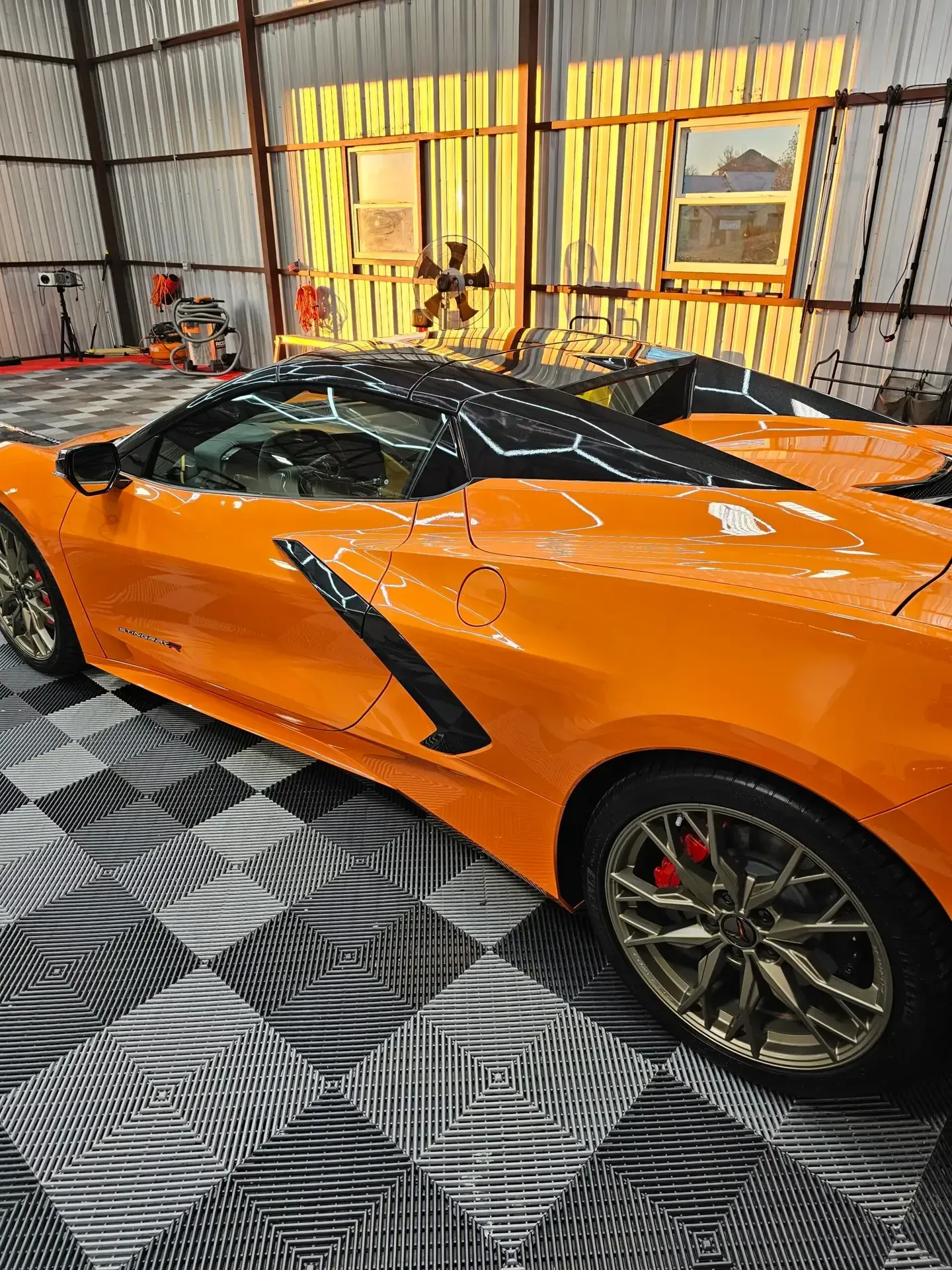
Explain why removing the film is not necessarily the final step in maintaining the vehicle's exterior. Discuss the importance of cleaning the surface, removing remaining adhesive, and inspecting the paint for minor scratches, discoloration, or other imperfections. Introduce light paint correction or detailing when necessary to improve the surface condition. Explain how proper preparation helps create a suitable foundation for installing new paint protection film, applying ceramic coating, or choosing another paint protection service. Once the old film has been safely removed and the paint surface is properly prepared, professional paint protection film installation can help protect the vehicle's finish against road debris, stone chips, and everyday wear.
Professional Paint Protection Film Removal in Aledo, TX
Connect the removal process with the needs of vehicle owners in Aledo, TX. Explain why professional attention is valuable when dealing with aging film, extensive coverage, or previously repaired panels. Introduce Fort Worth Auto Detail and its paint protection film services as a relevant option for owners considering film removal and future paint protection. Naturally include a link to the Fort Worth Auto Detail paint protection film service page so readers can explore the available services and discuss their vehicle's requirements.
Give Your Vehicle's Paint the Right Care After Film Removal
Summarize the importance of controlled heat, gradual peeling, proper adhesive cleanup, and careful surface preparation. Reinforce that film age, installation quality, existing paint condition, and previous repairs can influence the removal process. End with a natural call to action encouraging vehicle owners in Aledo, TX, to
contact Fort Worth Auto Detail for professional guidance on paint protection film removal and the next steps for protecting their vehicle's finish.